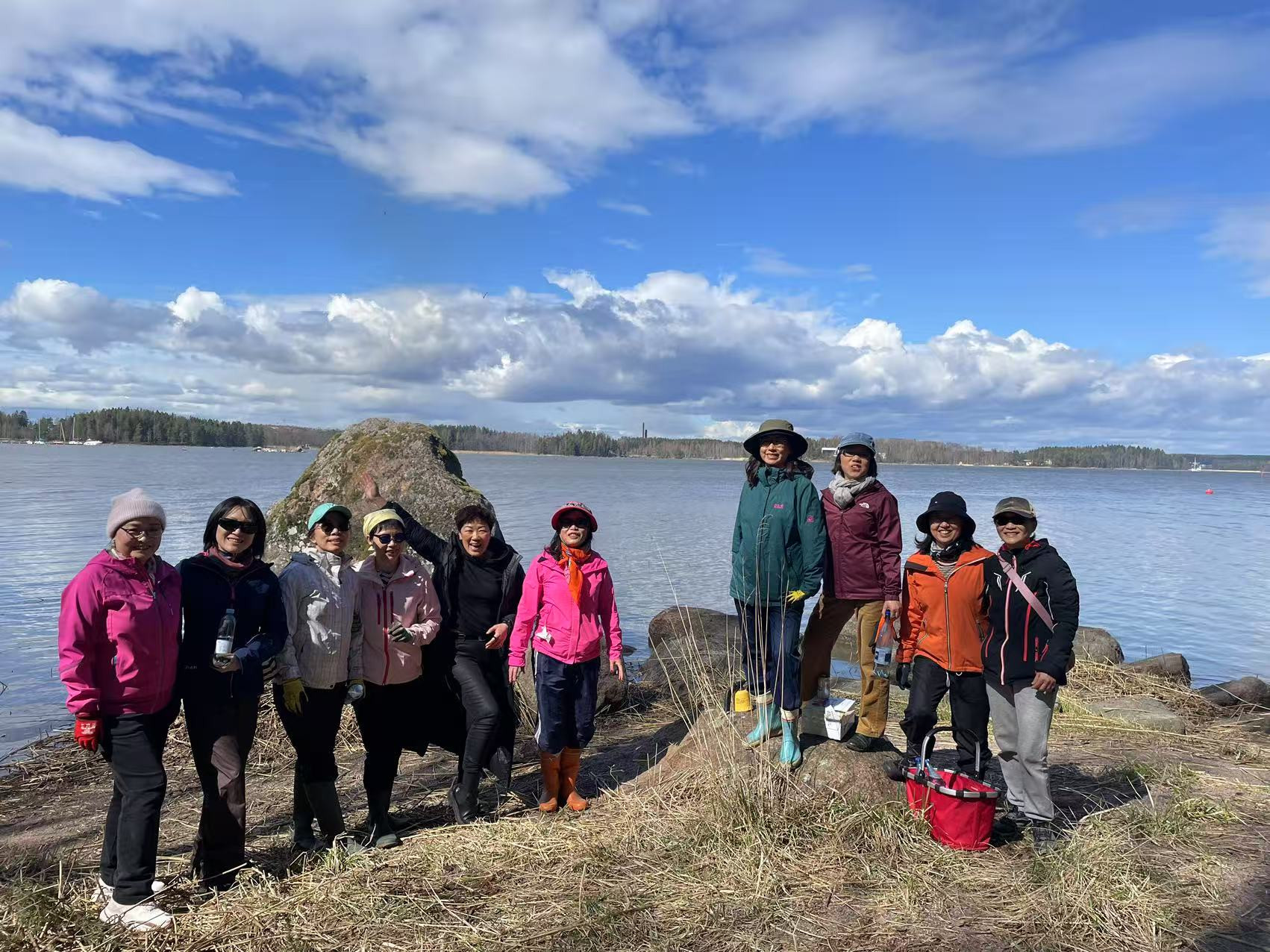
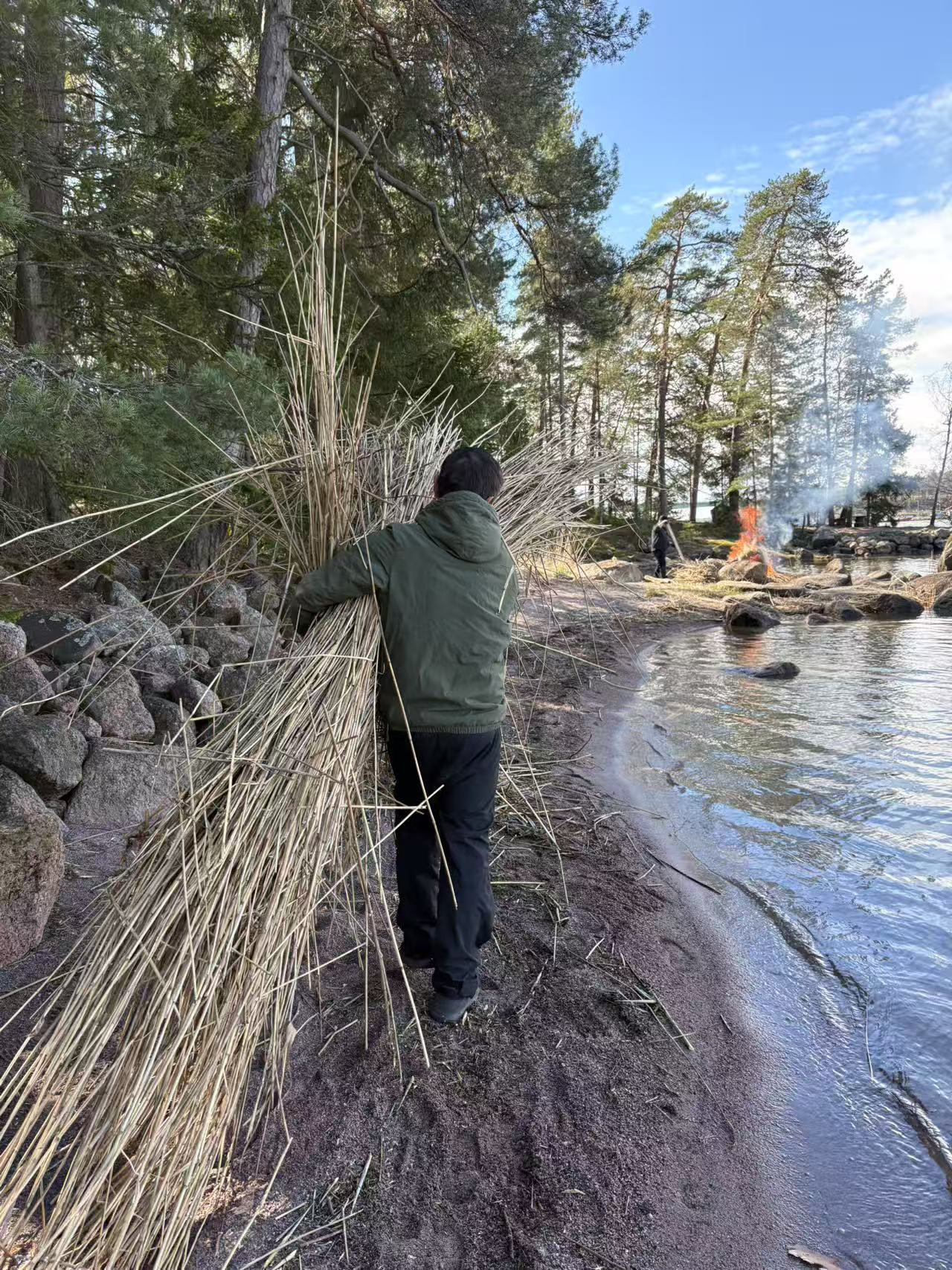
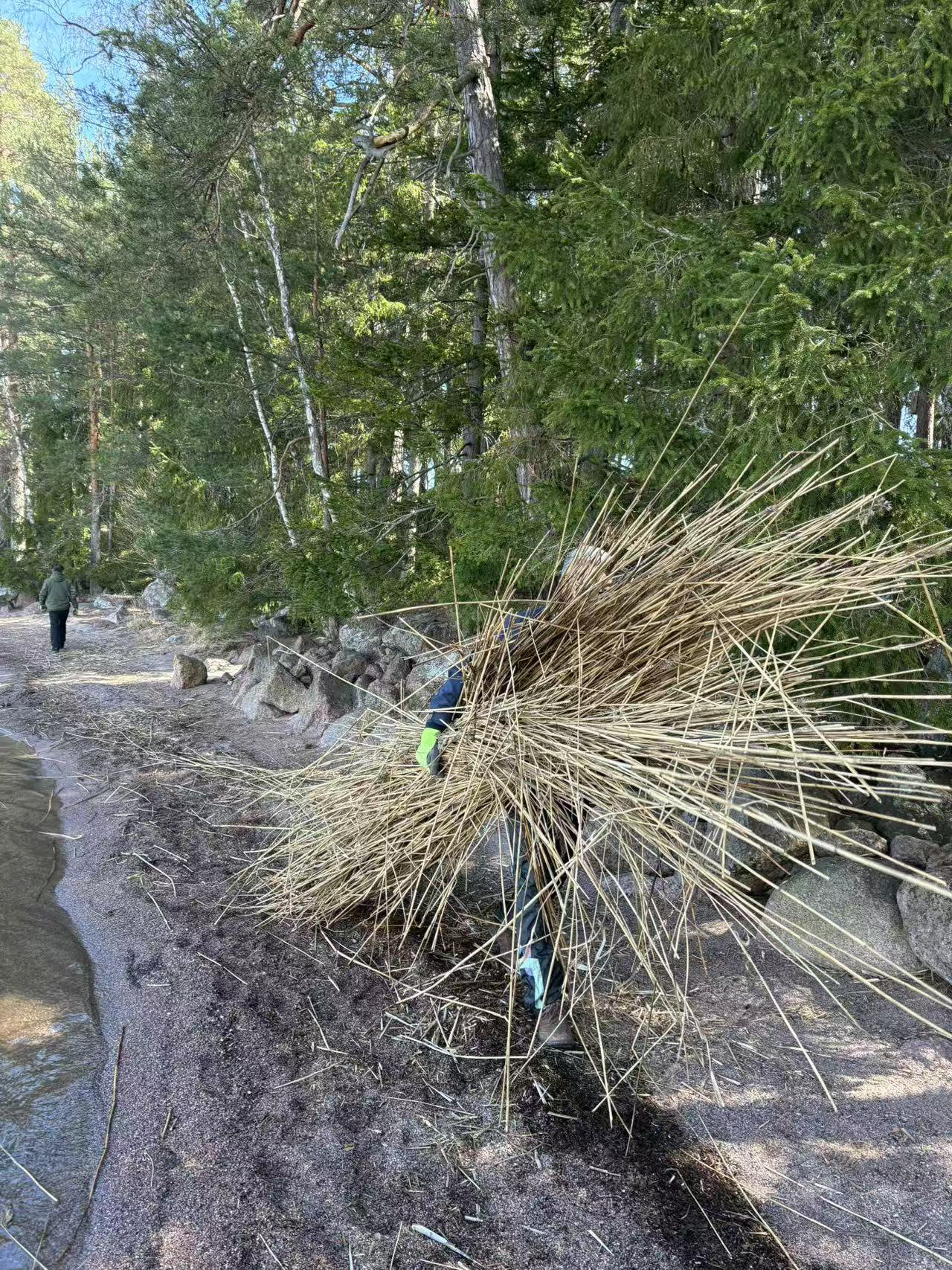
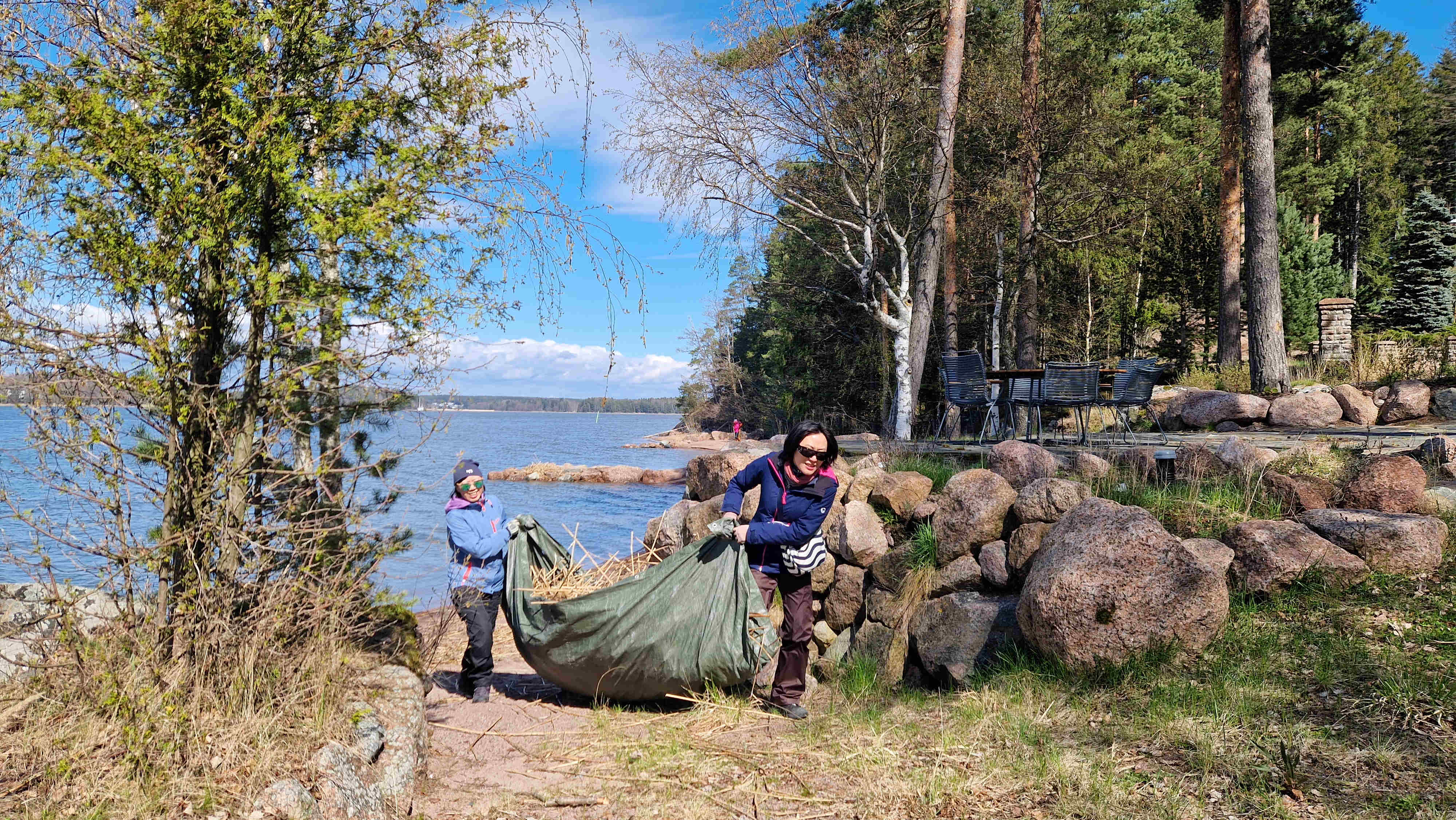
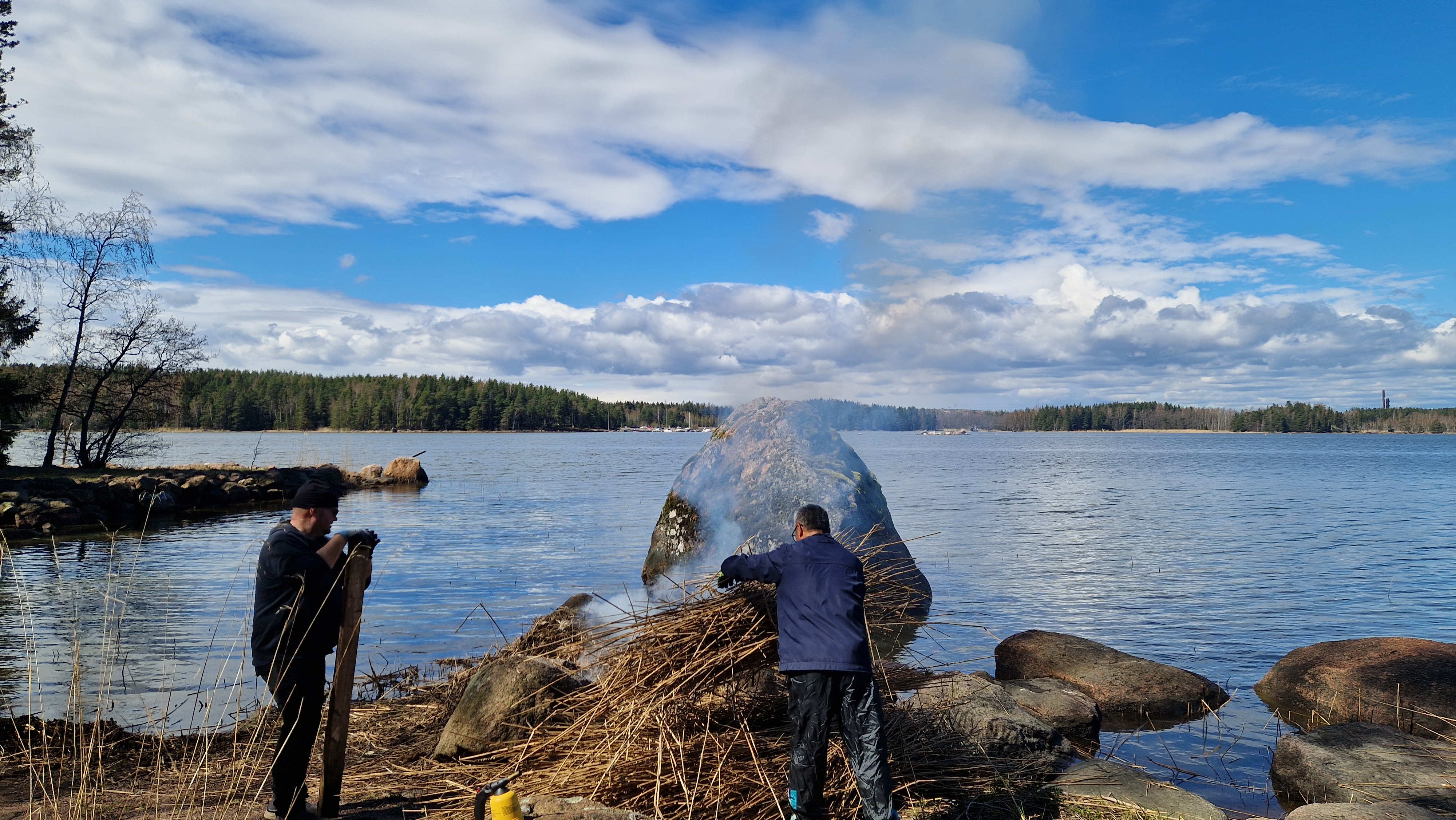
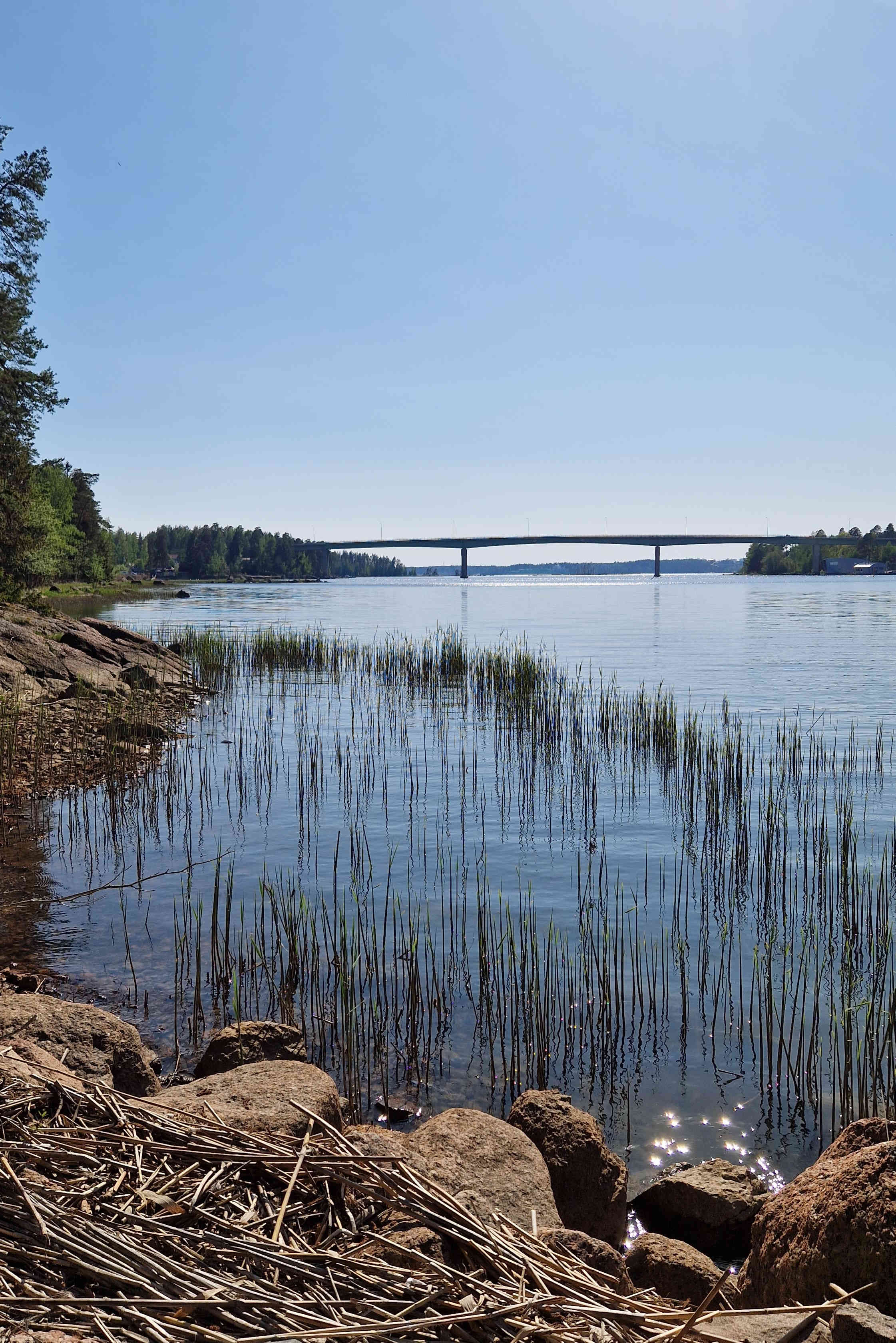
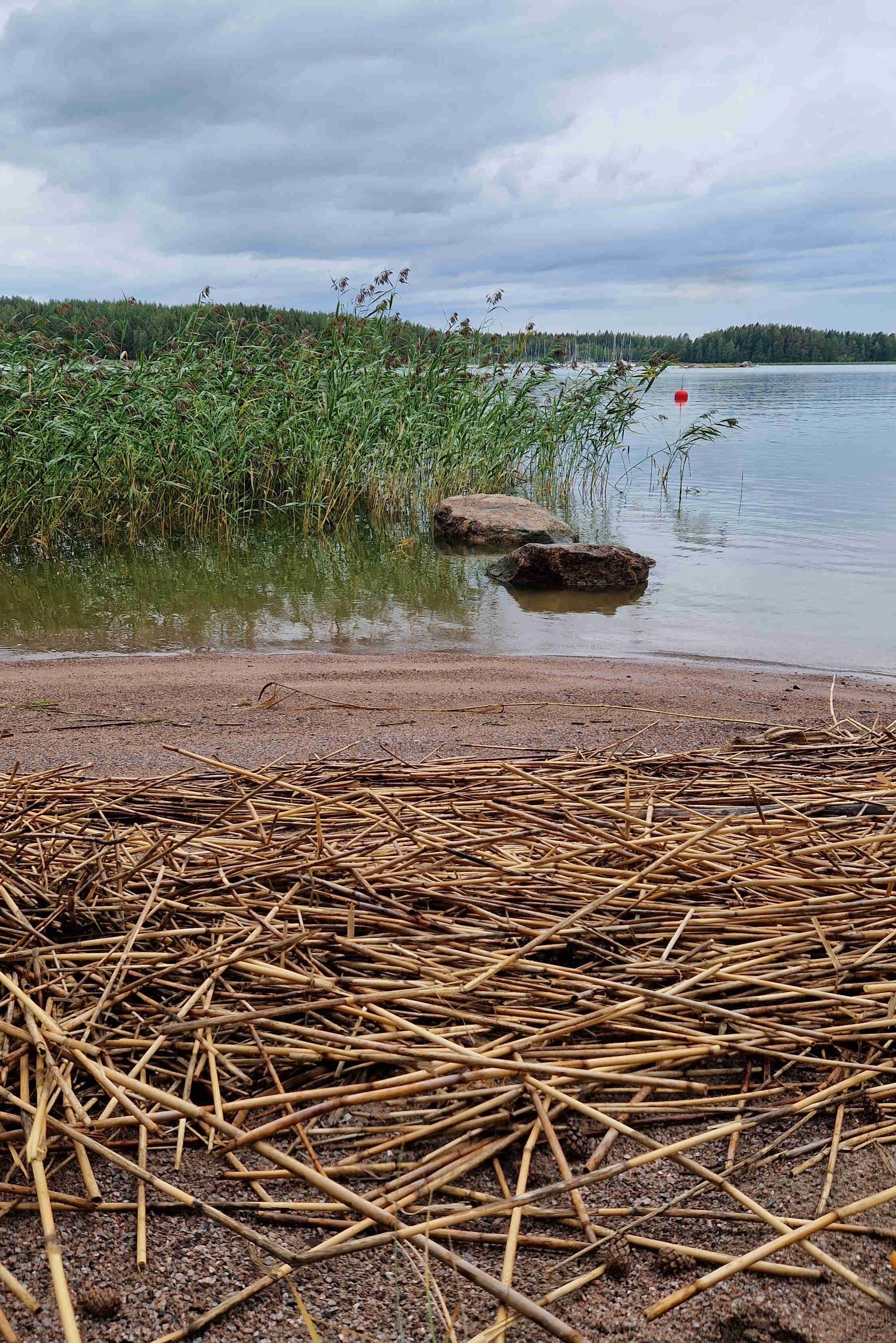
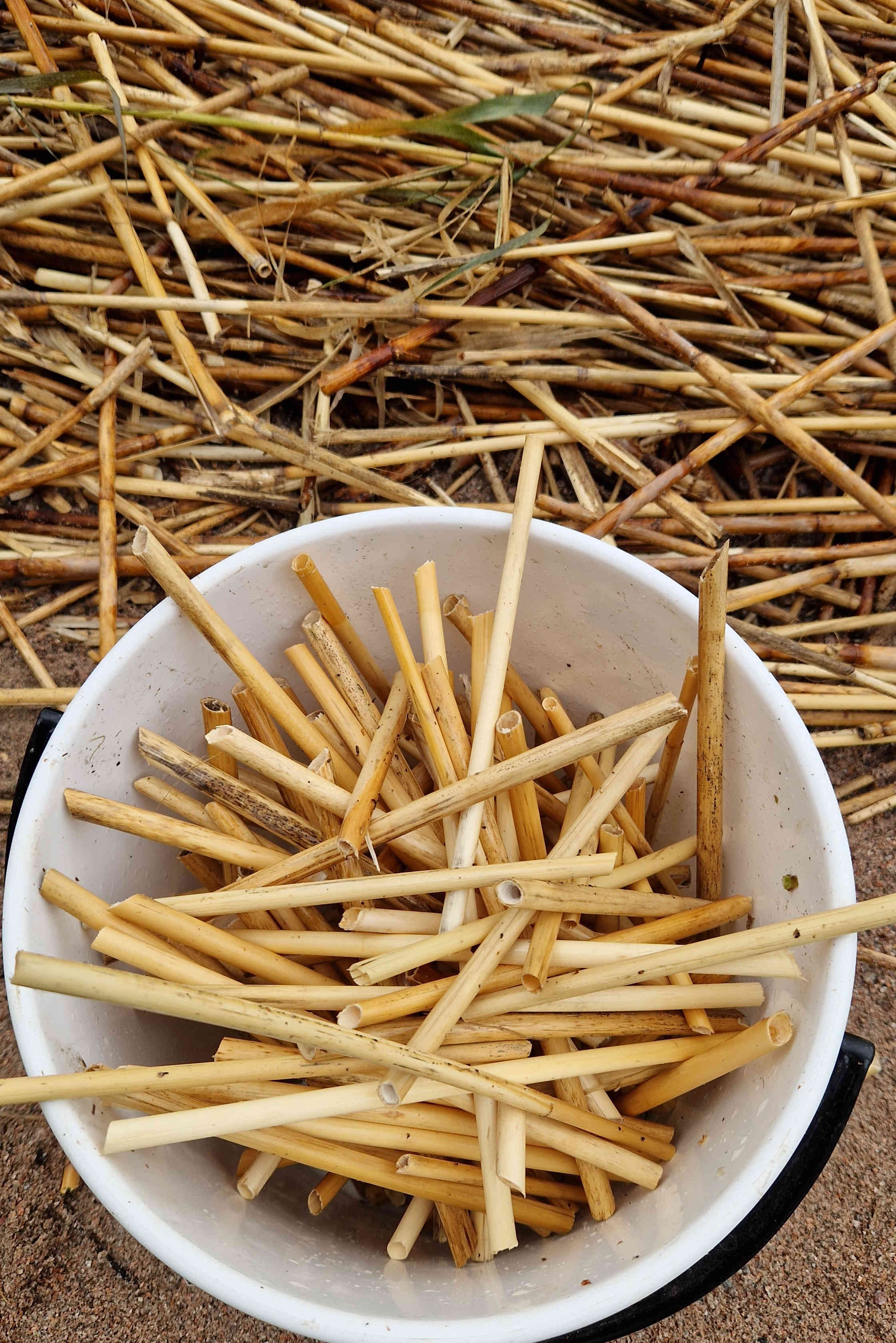
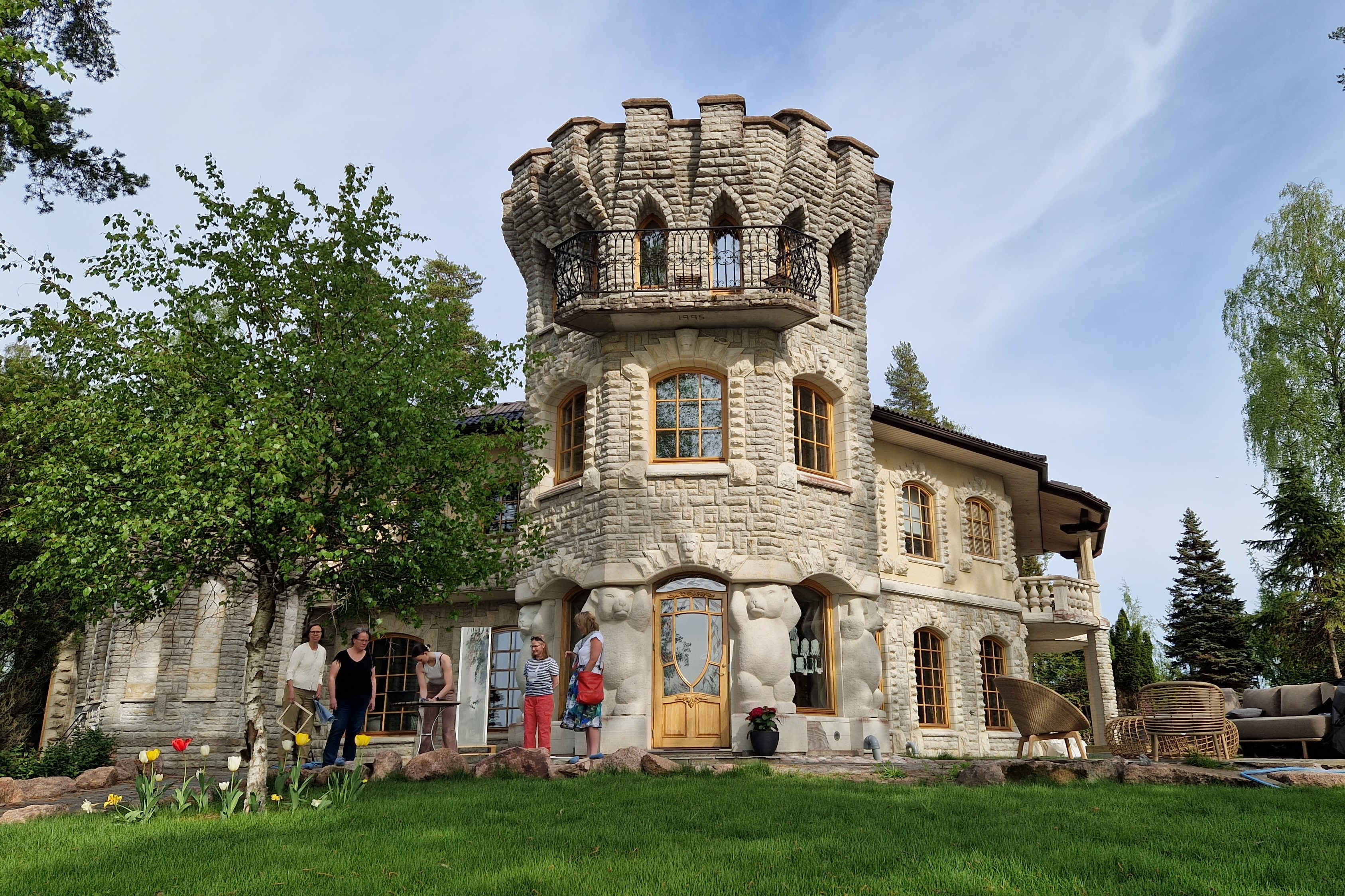
On May 1st, we welcomed more than 20 friends to help us clear reeds from the beach in Pinecrest Villa, and May 1st became a true Labour Day.
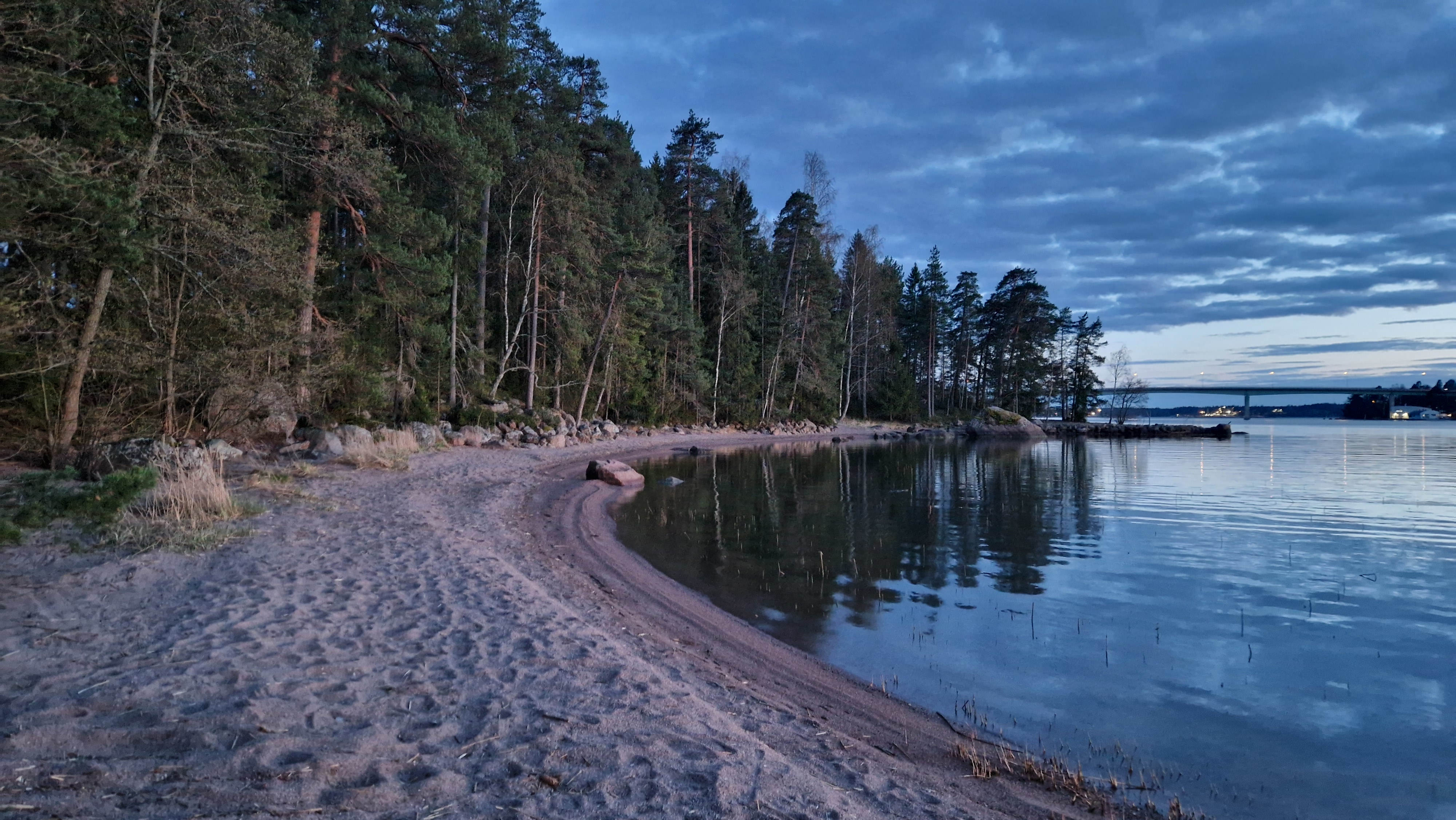
Armed with gloves, rakes, and plenty of energy, our volunteers made a big difference. By removing the reeds that washed ashore during the winter, we have not only improved the beauty of the beach but also created a healthier ecosystem for the wildlife.
After our hard work together, we were enjoying home-made foods, sauna, and also cards games. It was not just a cleanup; it was a celebration spring and love for the environment.
Thank you very much! Your presence made Pinecrest Villa full of vitality😊. We look forward to hosting more event like this. If you are interested in joining us next time, please send a message to us (info@pinecrest.fi), we will contact you when we organize it again.
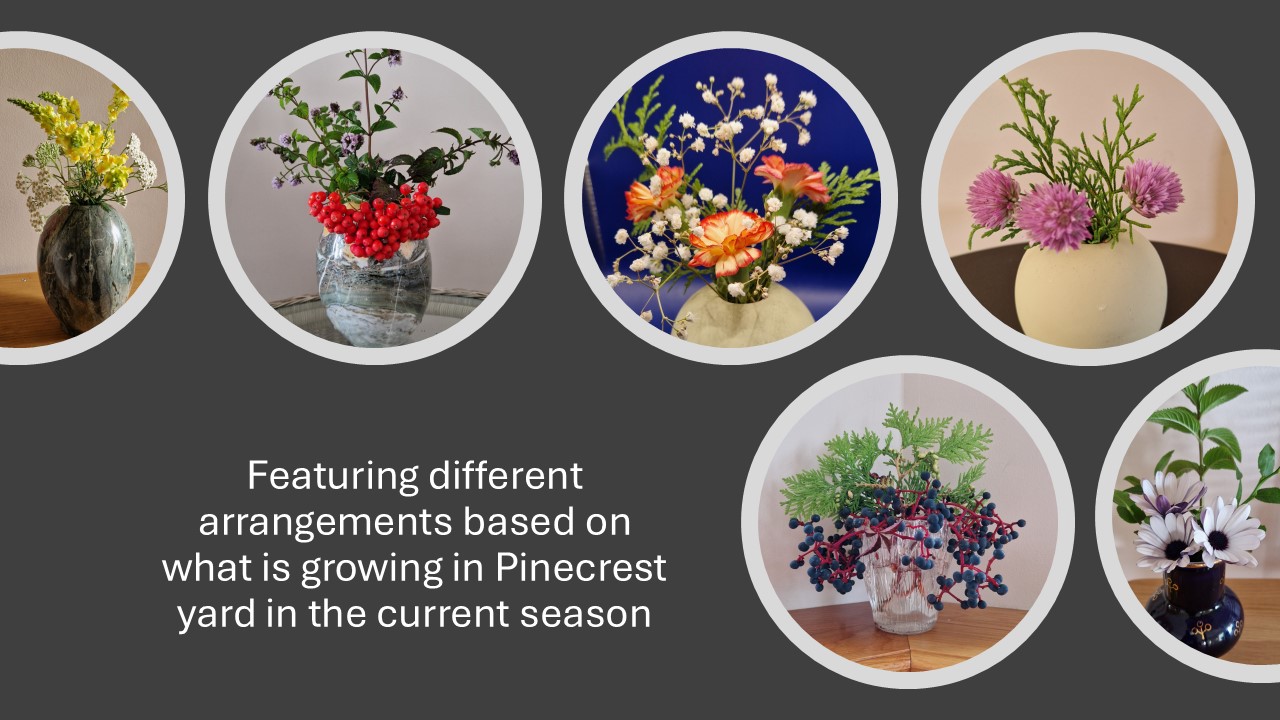
After three years of different kinds of renovations, we finally have time to take more care of our yards’ plants. Also, thanks to the good weather this year, the plants and flowers in the garden are growing very well.
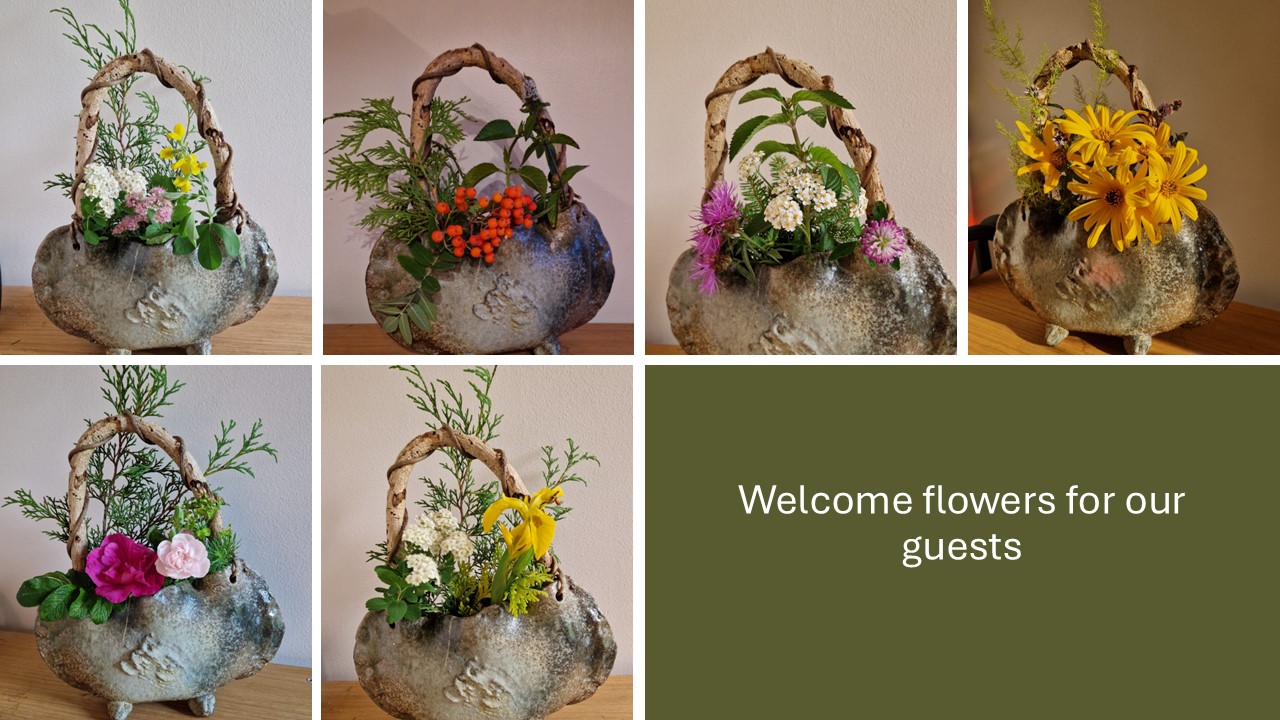
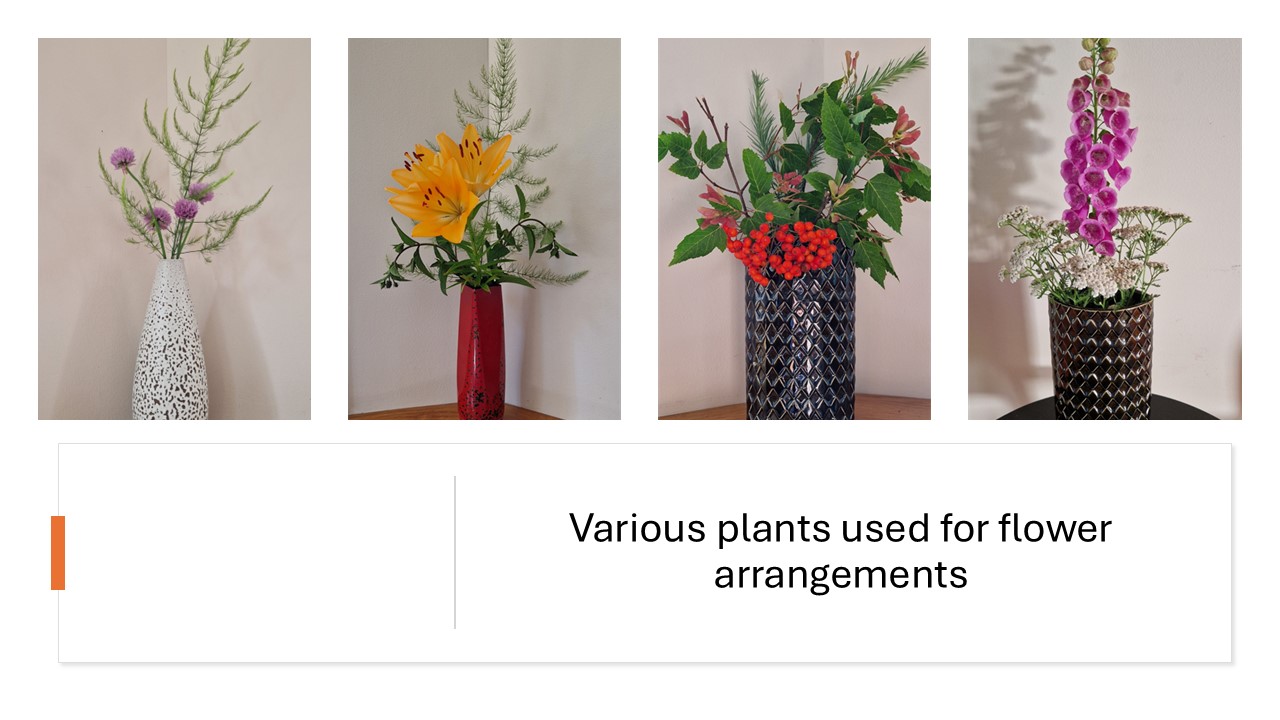
Every time we have new guests, we offer floral arrangements made from the blooms right outside our doors. They are hand-picked, locally grown, and artfully arranged to create a sense of place and tranquility. This also creates a personalized touch, as the flowers reflect the local landscape and the changing seasons. Using own yard material for flower arrangements supports a more eco-friendly and sustainable practice, which we know our environmentally conscious guests appreciate.
Using garden plants for flower arrangements not only elevates the guest experience but also enhances our connection to the natural world. These locally grown bouquets are a beautiful way to welcome guests, share a piece of our garden with them, and offer a sustainable, creative touch that sets the perfect tone for a restful stay.
Last month, we tried to make handmade paper from paper waste materials and to explore its use. We found that the eggs cartons in various supermarkets in Finland were of different colors and basically pure monochrome, and we were interested in whether it was possible to reuse such paper fibers to make some handmade artworks. We tried to add a paper mulberry fiber to increase the strength of the handmade paper first, and then used the rougher paper to make small flowers that were closer to the natural unevenness and had a more natural charm.
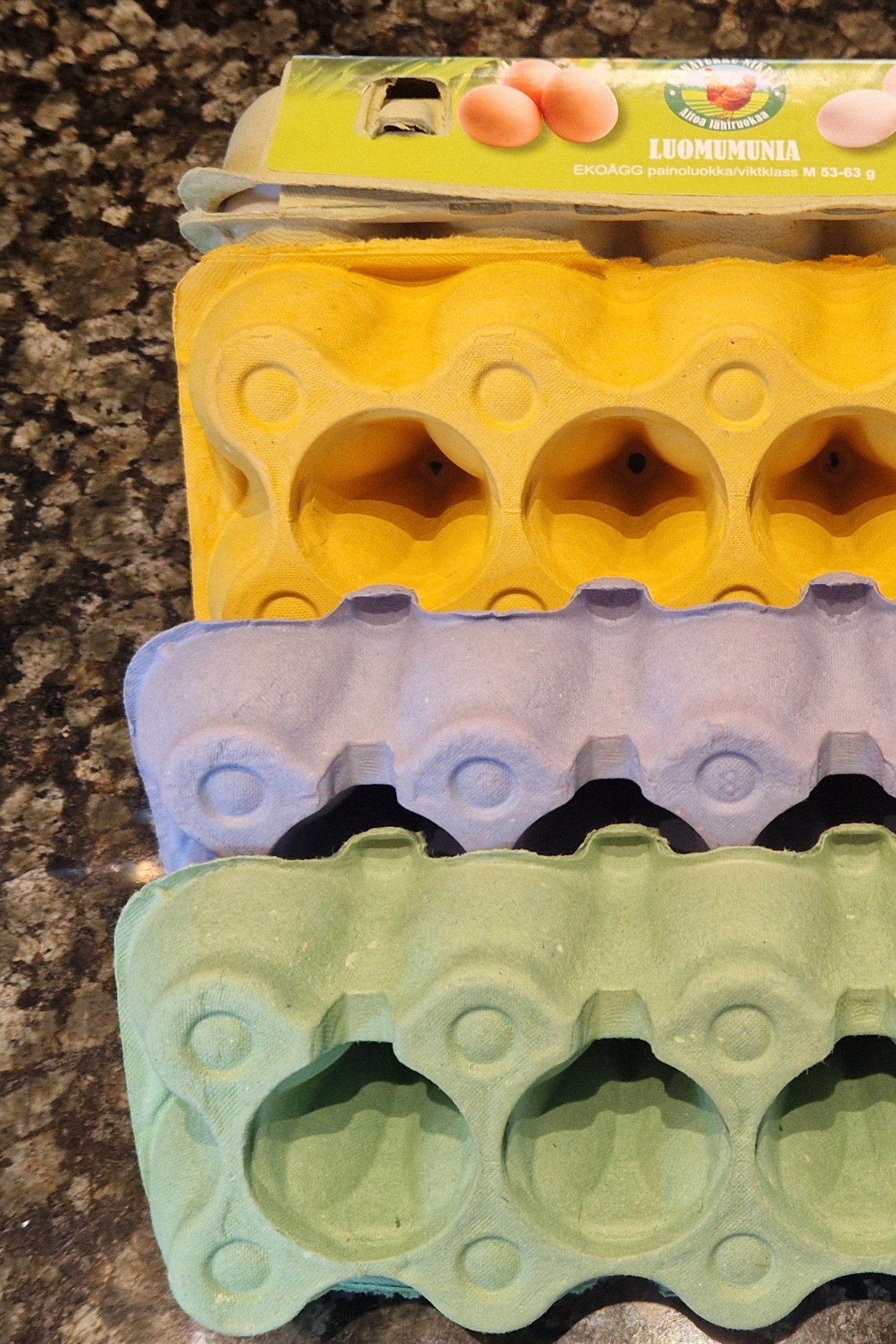
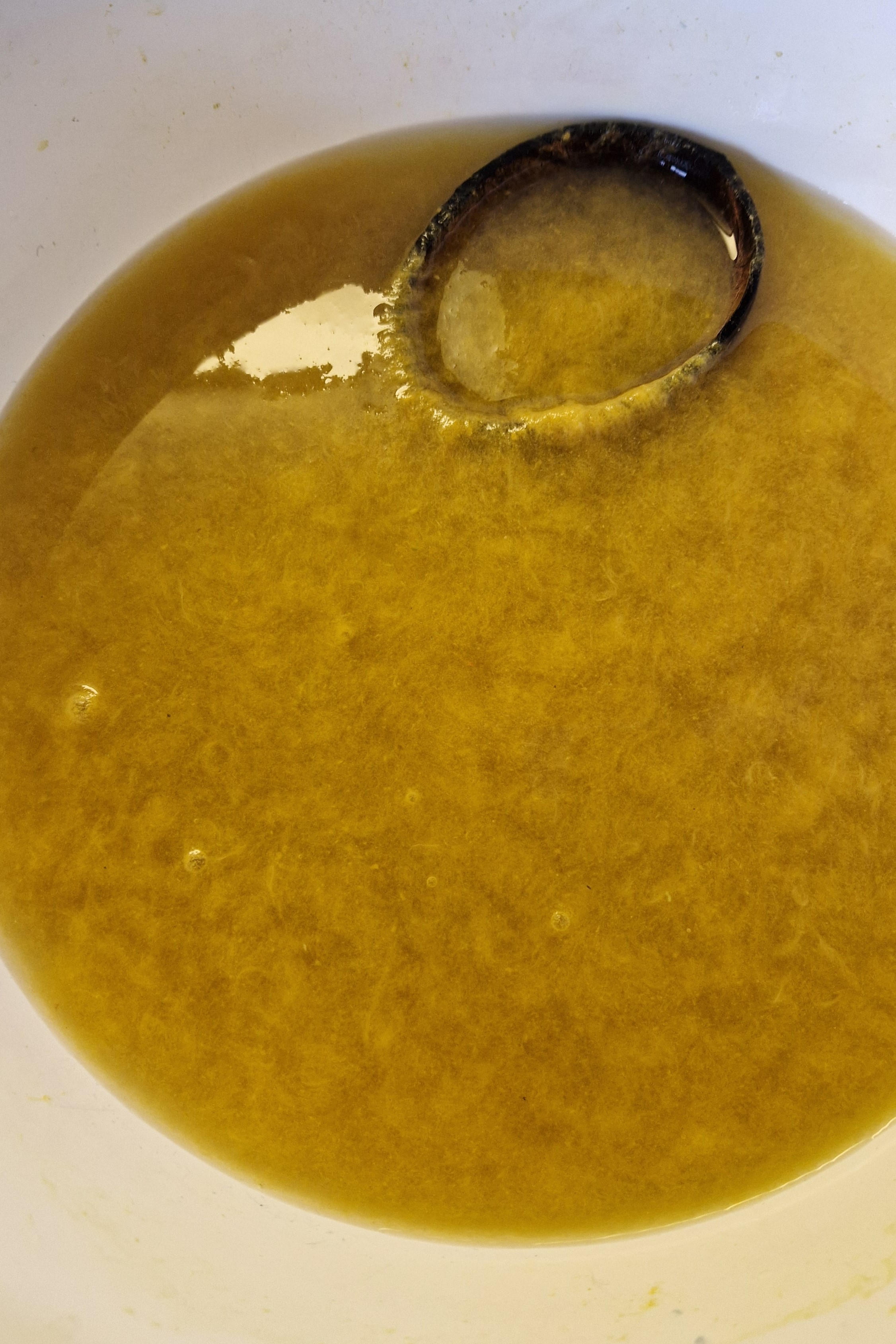
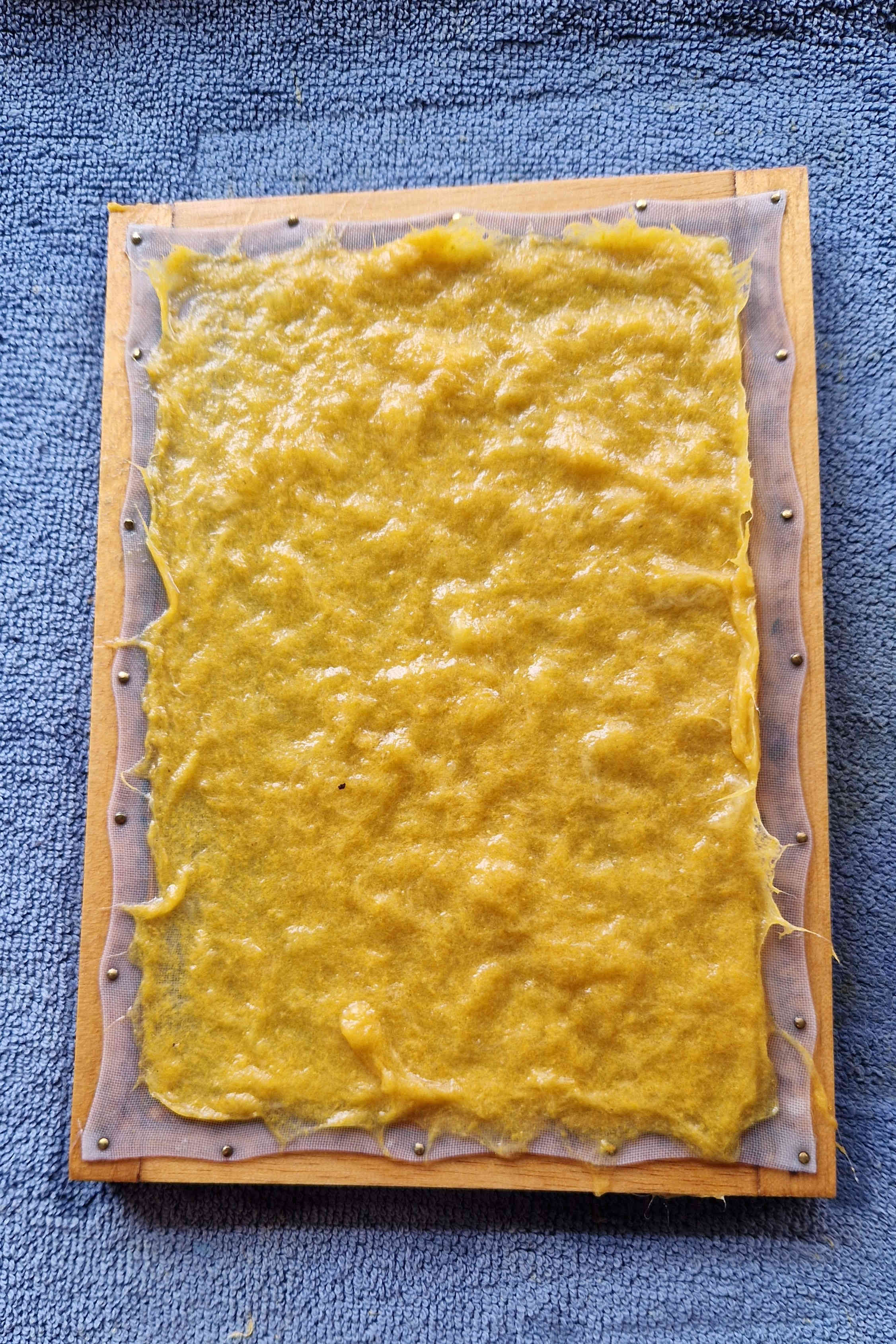
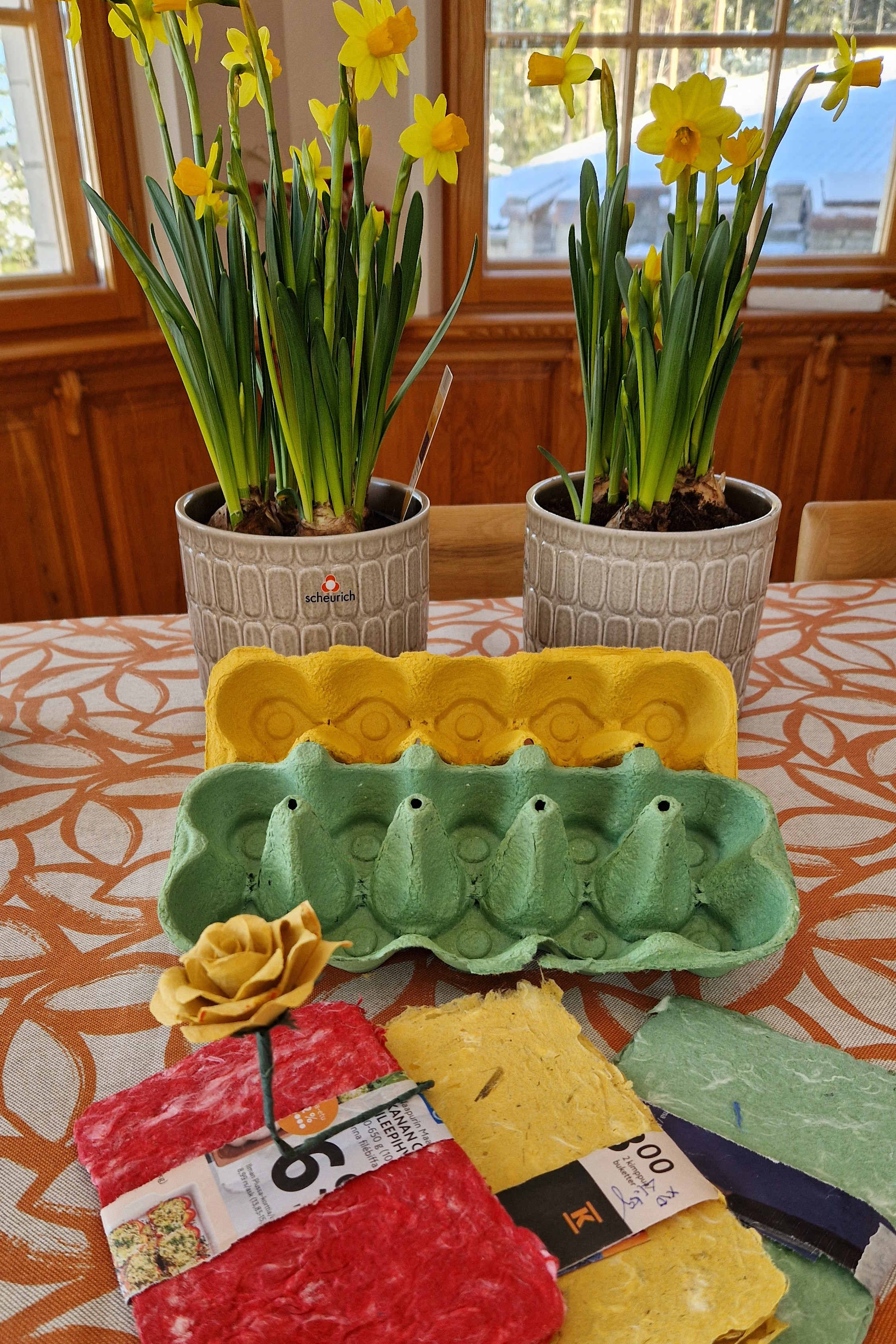
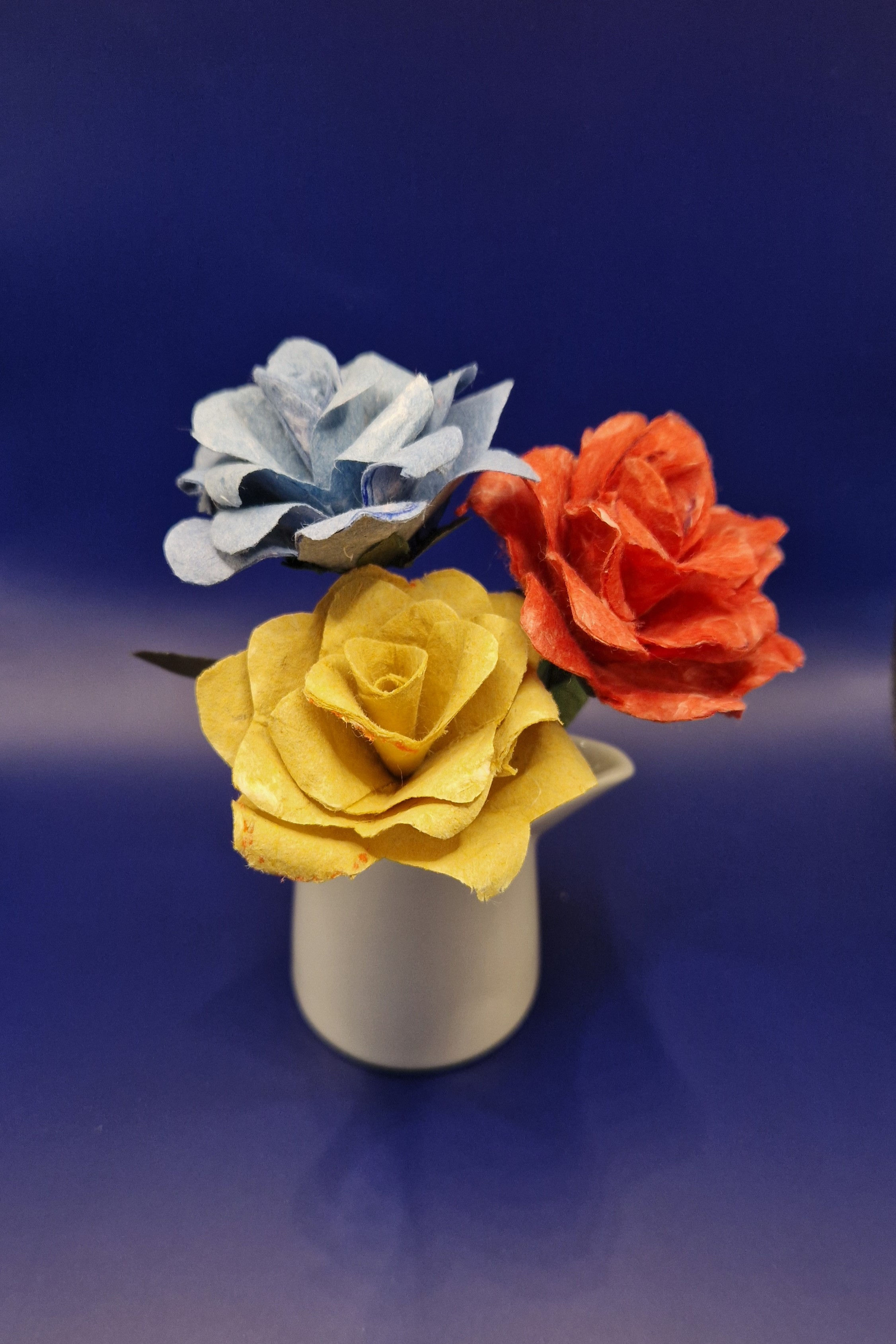
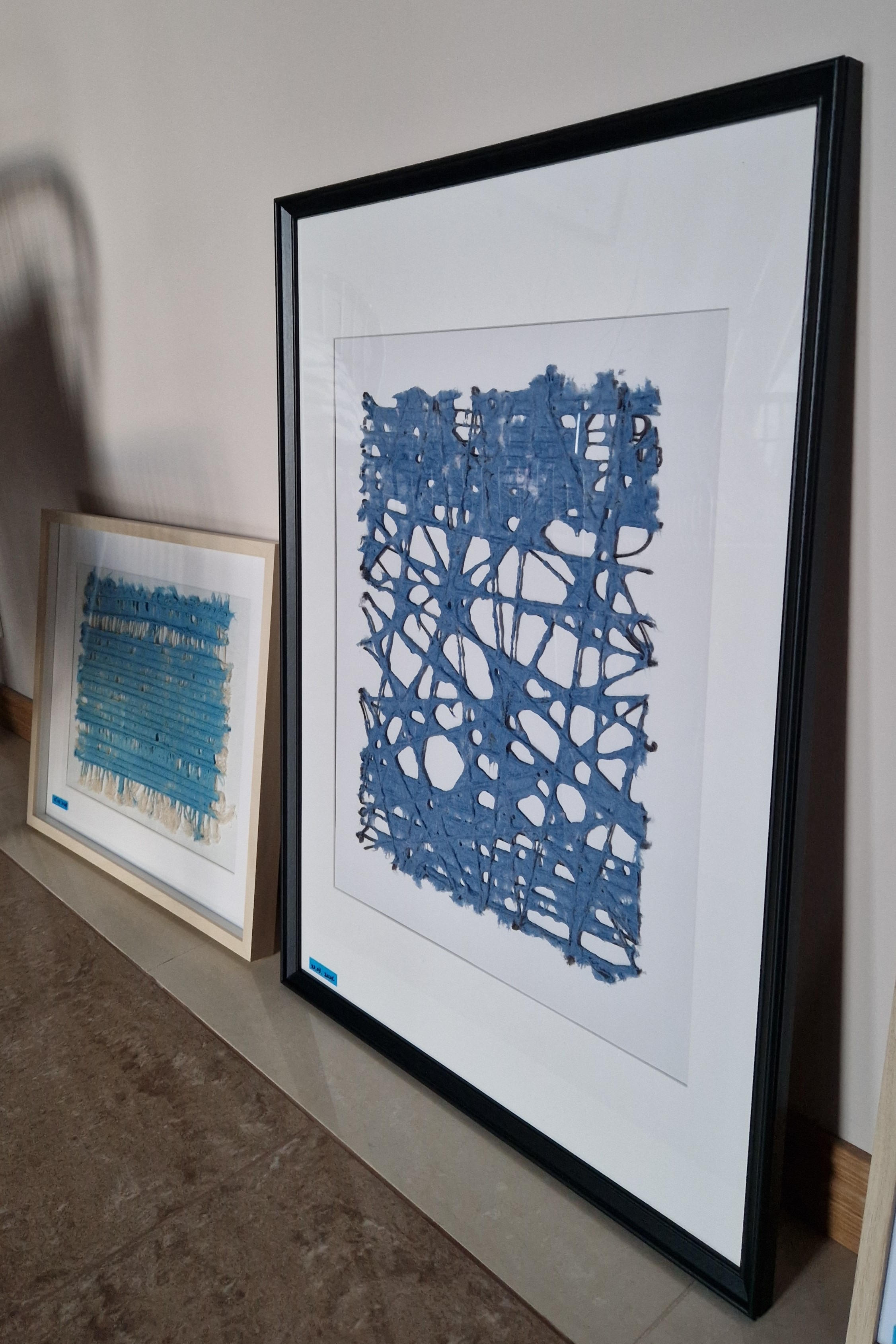
Creating beautiful papercrafts from recycled materials like egg cartons is a wonderful way to repurpose materials and unleash your creativity! We love this idea, can have both environmental and social impacts, which contribute positively to sustainability and community engagement.
If you are interested in this workshop, you can contact us at info@ecoyard.fi or calling us at +358406283113. We can arrange handmade paper and paper flowers workshops for 2 to 8 people.
The first cultural baking workshop was hosted by Ecoyard and held at Pinecrest Villa (Pinecrest.fi) on 24.03.2024. Bringing the forest in to our kitchen is one of the missions of Ecoyard. We utilized forest berries, sea buckthorn, and cranberry powders from Natural Nordic (Naturalnordic.fi), and created a receipe for a Forest Berry Terrine. The participants from Emäsalo, Mäntsälä, Riihimäki, and Helsinki all gathered to share their favorite nature fragrances and their uses. Then they followed along with the recipe to create this special dessert. Enjoy and taste NATURE, What a great experiment for all of us!
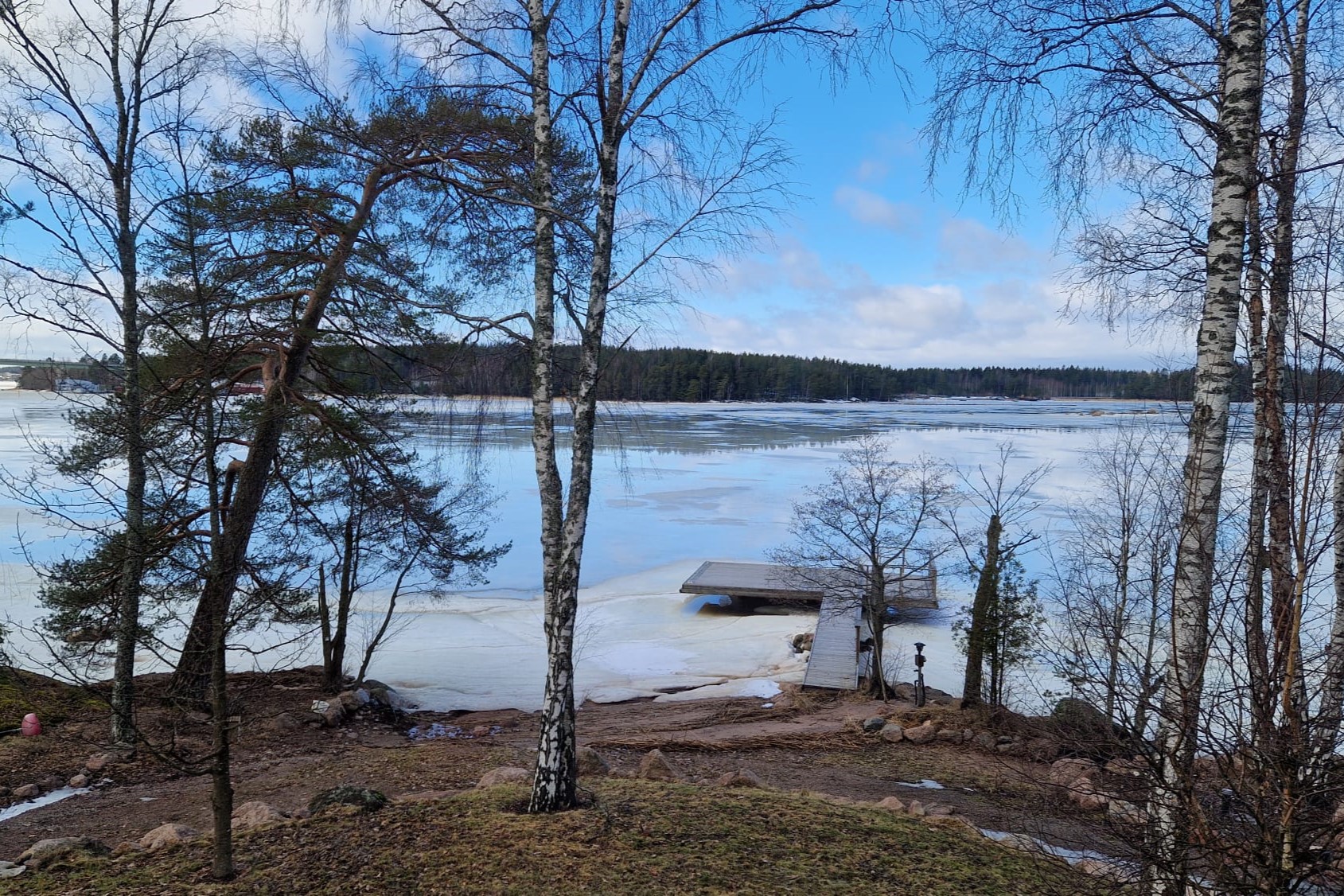
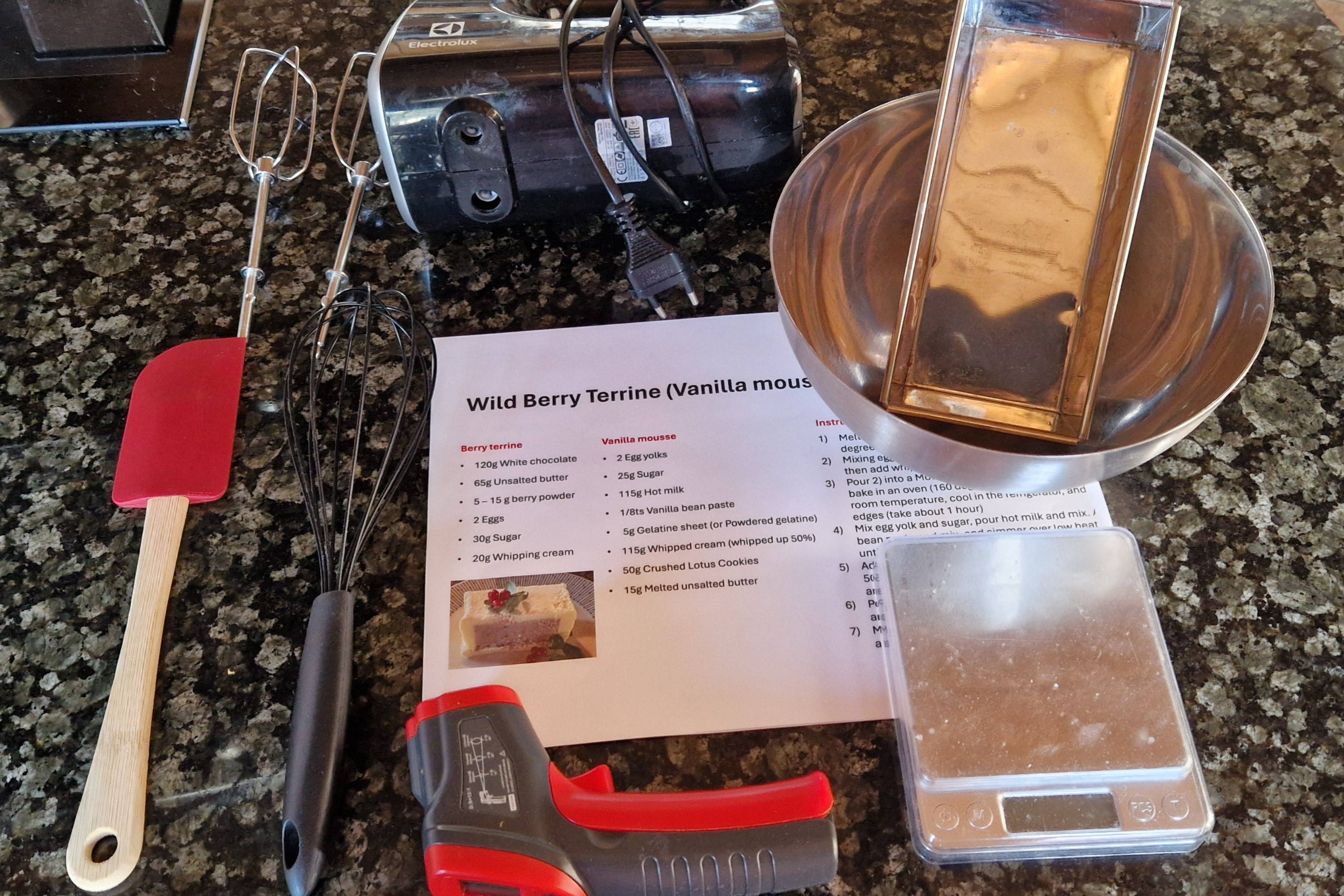
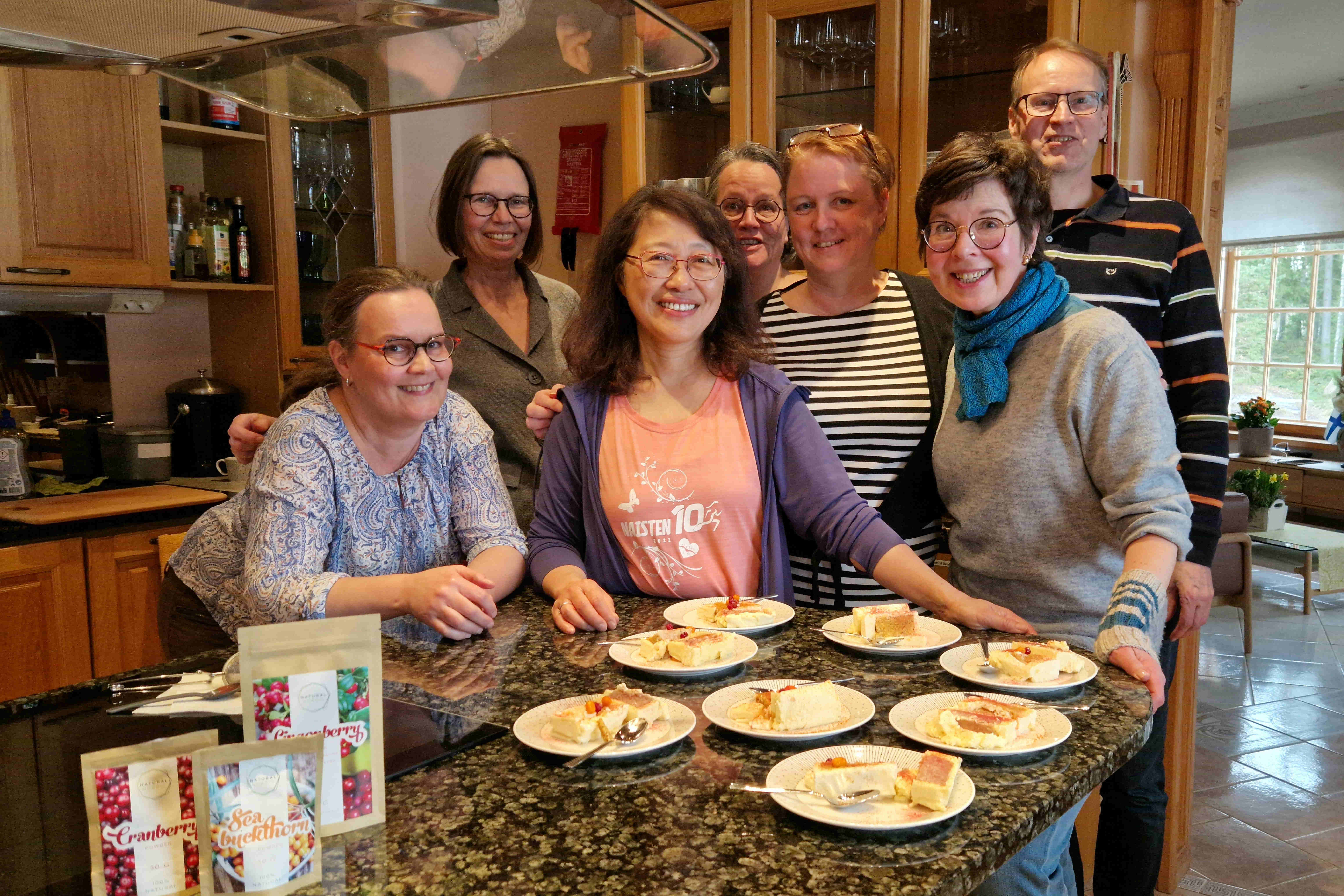
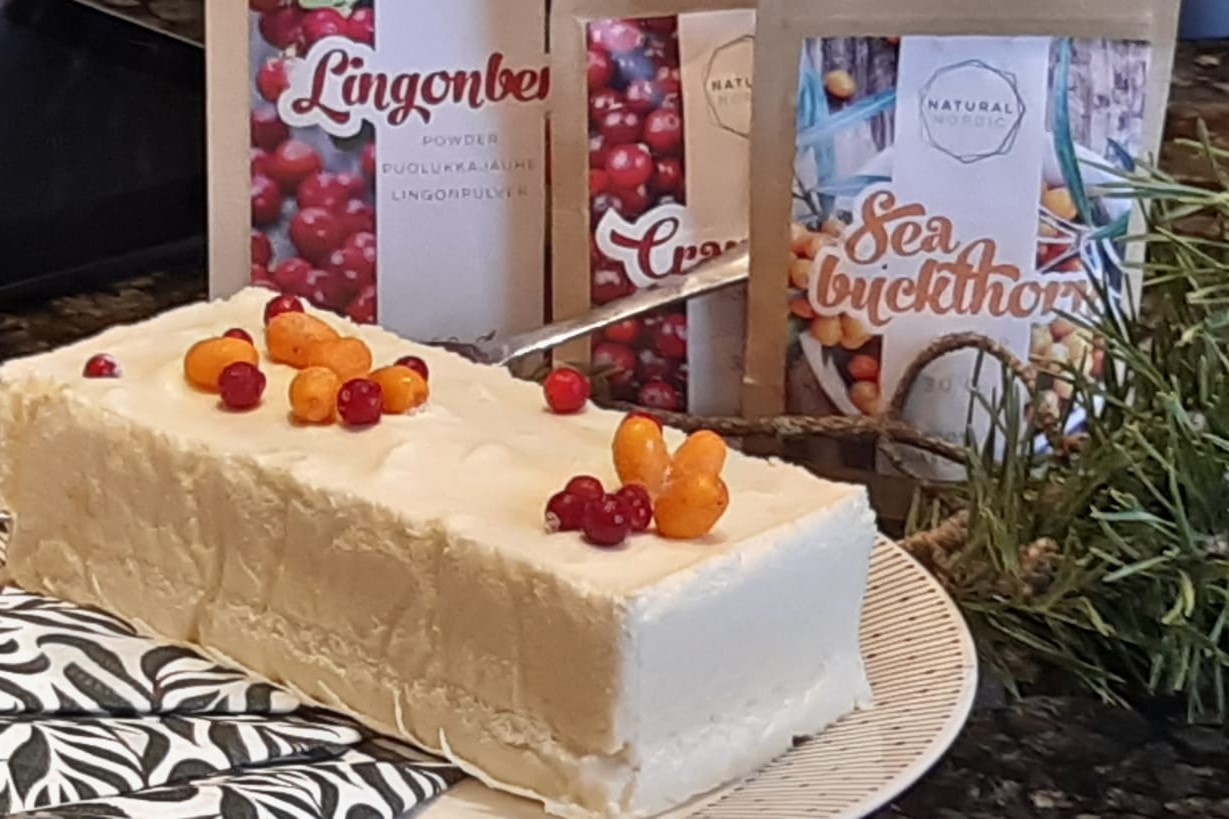
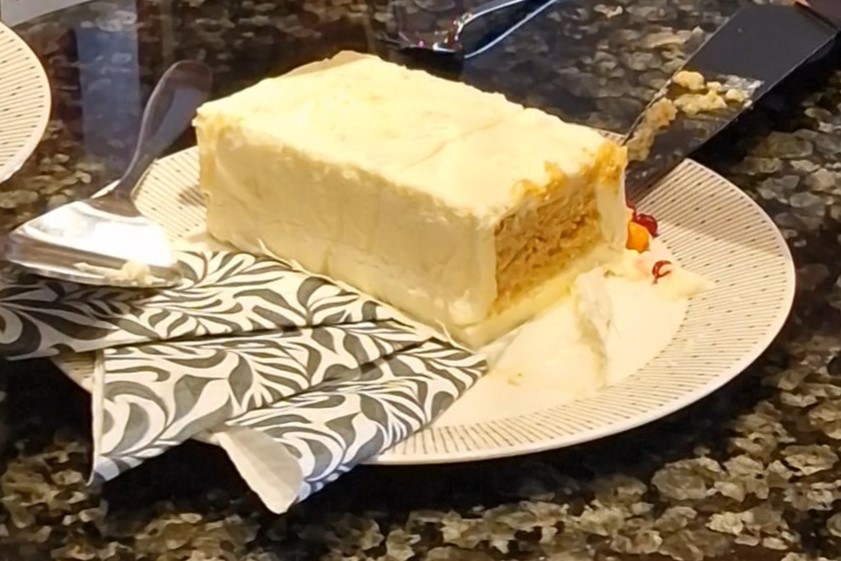
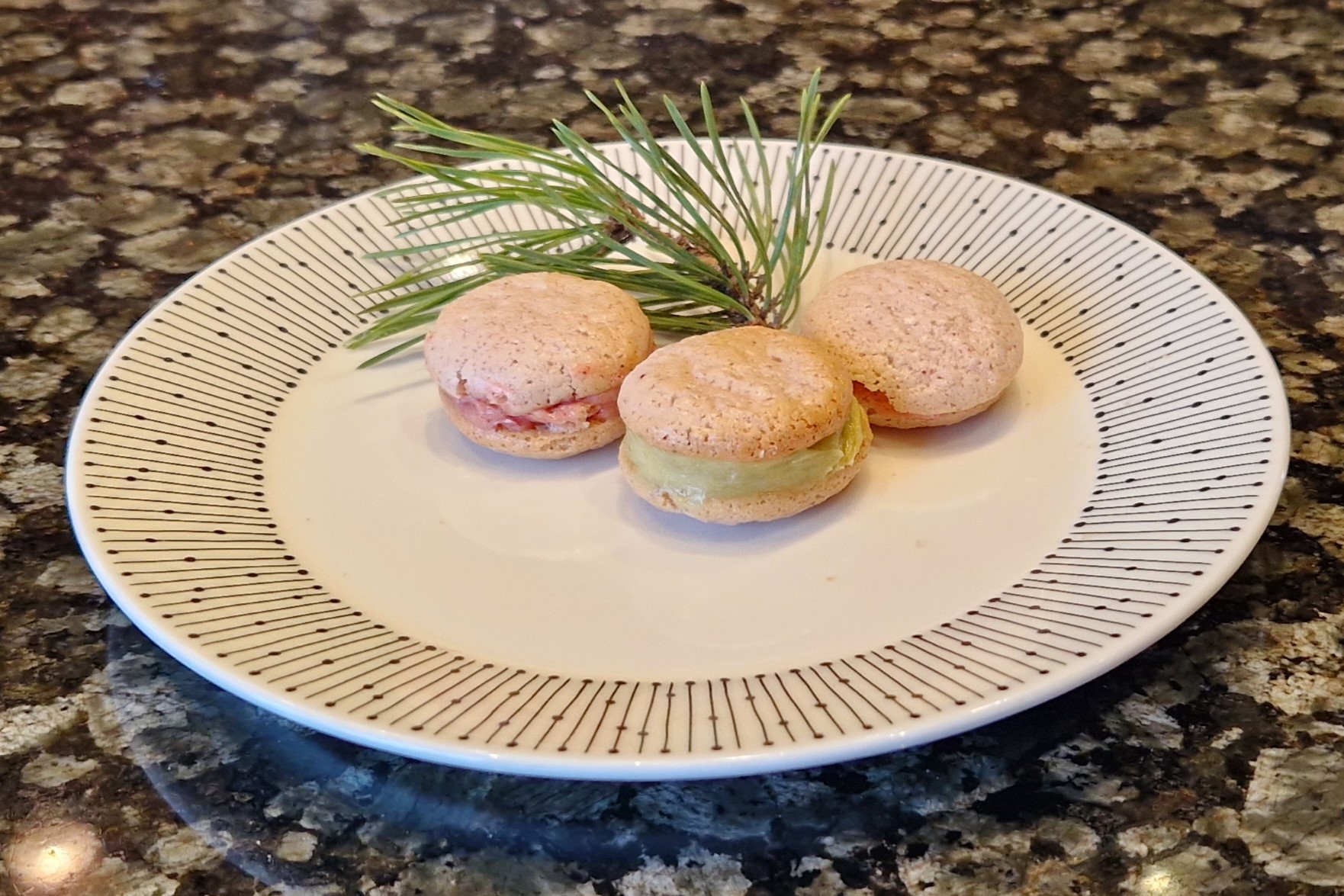
Here are the recepies if you wish to try them yourself!
120g White chocolate
65g Unsalted butter
5 - 15 g berry powder
2 Eggs
30g Sugar
20g Whipping cream.
2 Egg yolks
25g Sugar
115g Hot milk
1/8ts Vanilla bean paste
5g Gelatine sheet (or Powdered gelatine)
115g Whipped cream (whipped up 50%)
50g Crushed Lotus Cookies
15g Melted unsalted butter.
1. Melt white chocolate and unsalted butter in a hot bath, add wild berry power and mix
2. After mixing eggs and sugar, add 1. and mix, then add whipped cream and mix
3. Pour into a mold, place on a pan with hot water, bake in an oven preheated to 160 °C for 40 minutes, cool at room temperature, cool in the refrigerator, and cut off the edges.
4. Mix egg yolk and sugar, pour hot milk and mix. Add vanilla bean paste and mix, and simmer over low heat, stirring until thickened slightly.
5. Add gelatine in cold water for 10 min and mix, and add 50% whipped cream and mix, pour half of it into the Mold and harden in the refrigerator for 1 hour.
6. Pour some remining mousse, top with wild berry powder terrine, and cover with the remaining mousse.
7. Mix crushed lotus cookies and melted butter, put them in a Mold and harden in the refrigerator for 1 hour.
This year we are experimenting with fermenting reeds and Japanese knotweed plant materials using the power of nature's microorganisms. We are planning to spend one year to examine the effects of their fermentation for handmade paper making. We have also experimented with recycling various discarded boxes to make our Christmas cards this year.
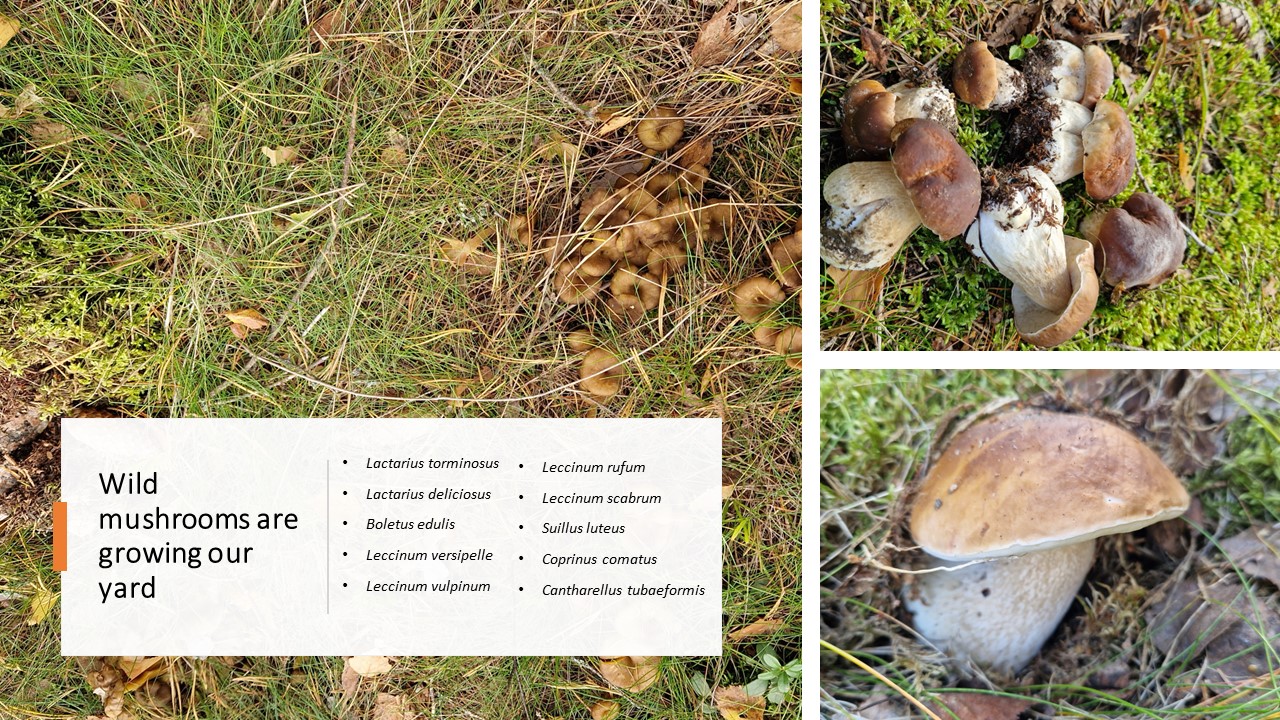
Thank goodness for the good weather this summer! We harvested many edible mushrooms in the yard of Pinecrest Villa, which along with the vegetables from our small farm have also made it to the breakfast table for our accommodating guests. They have been a big hit! Our guests just loved our breakfast, which was called: fresh, rich, private, and healthy breakfast. Thank you to all for such positive comments.
Creating more baking recipes that utilize local material and products is something we are currently working on. We tried nettle desserts, and found it is a good ingredient for dessert.
Thank you to everyone who attended and participated in our workshops and events. The vision of ECOYARD is to let us enjoy nature together.
Step into a world where creativity blossoms, and the beauty of nature is our canvas. At our Nature Studio, we celebrate the wonders of the great outdoors through planting, art, and a deep appreciation for the natural world.
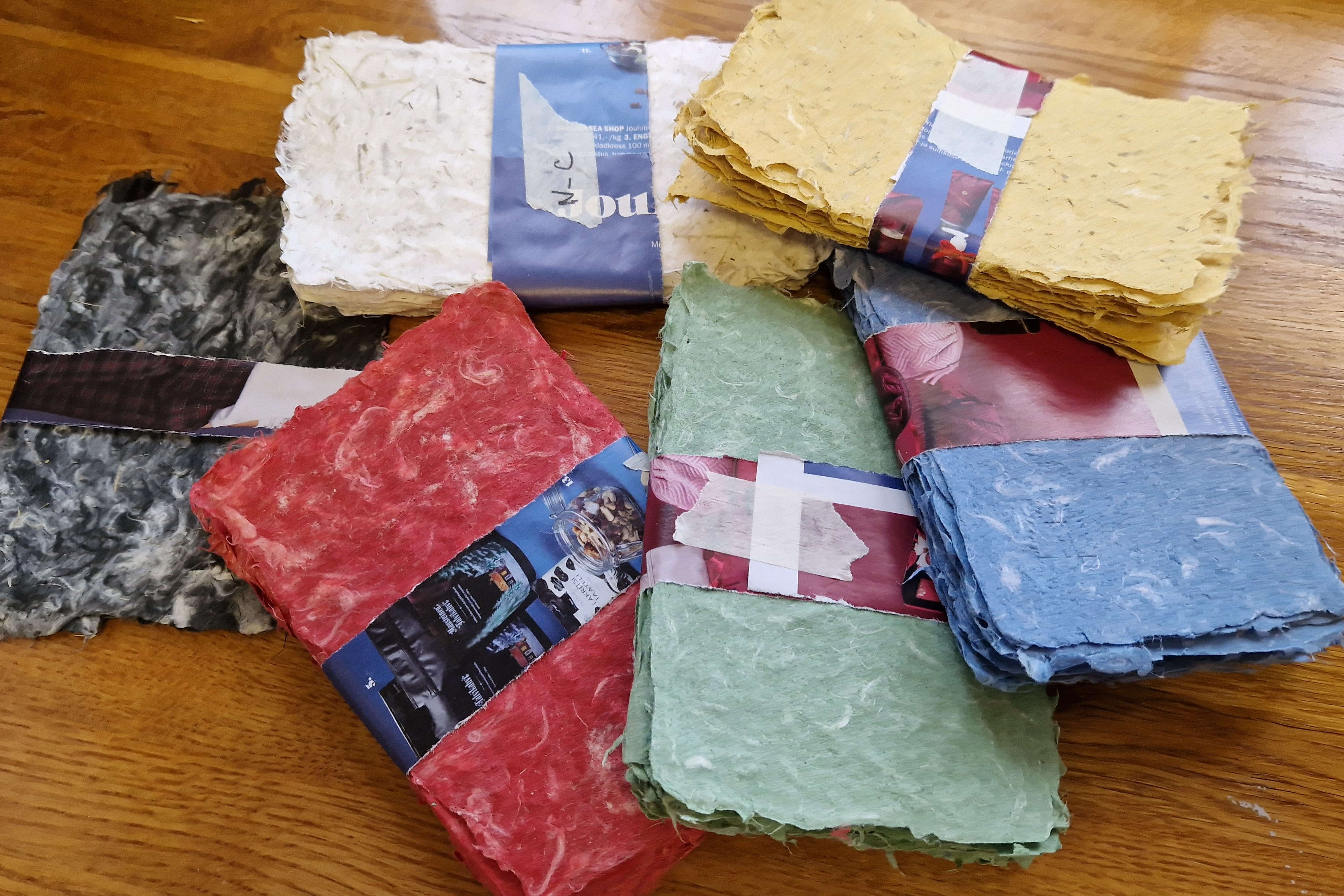
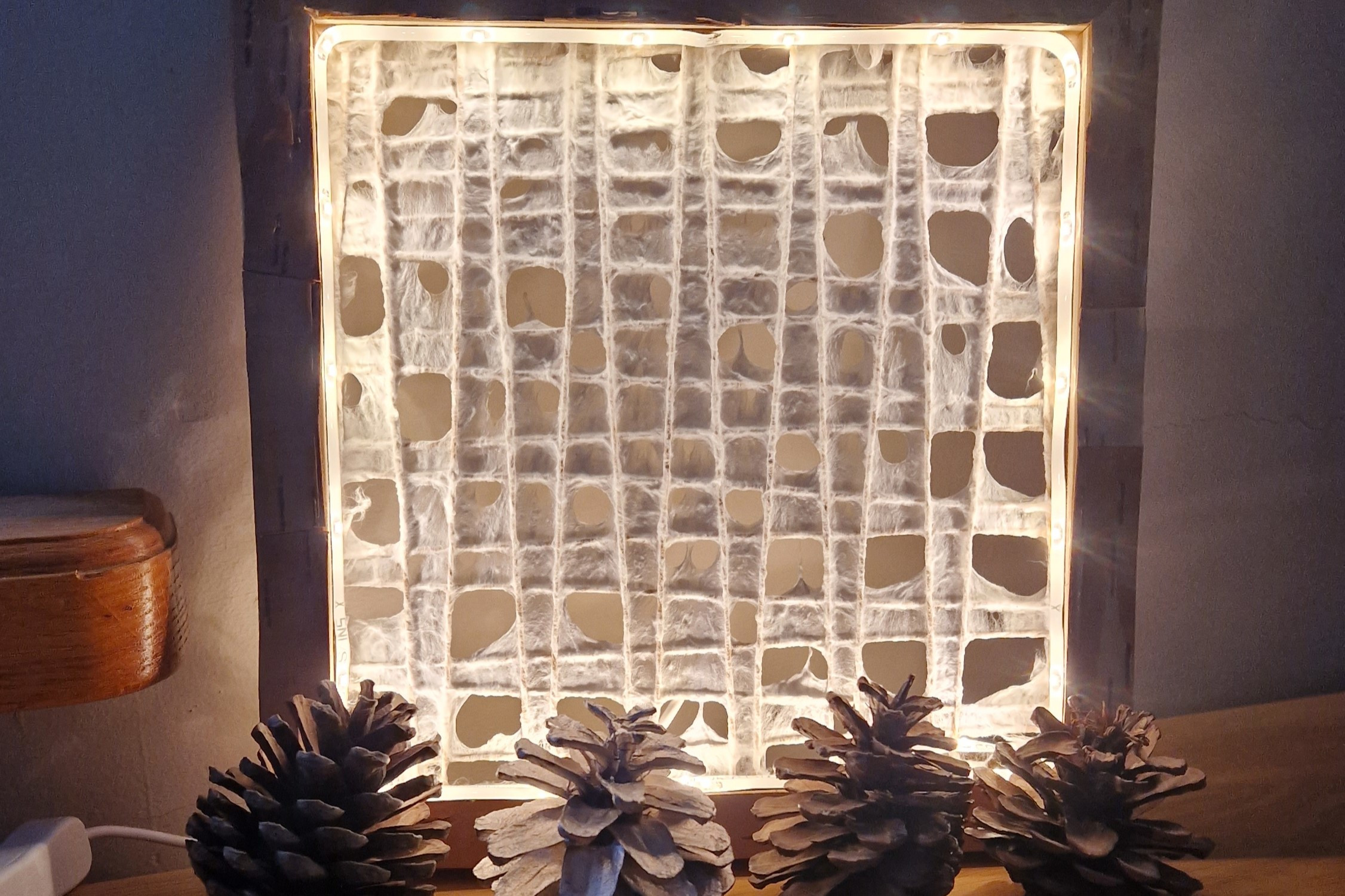
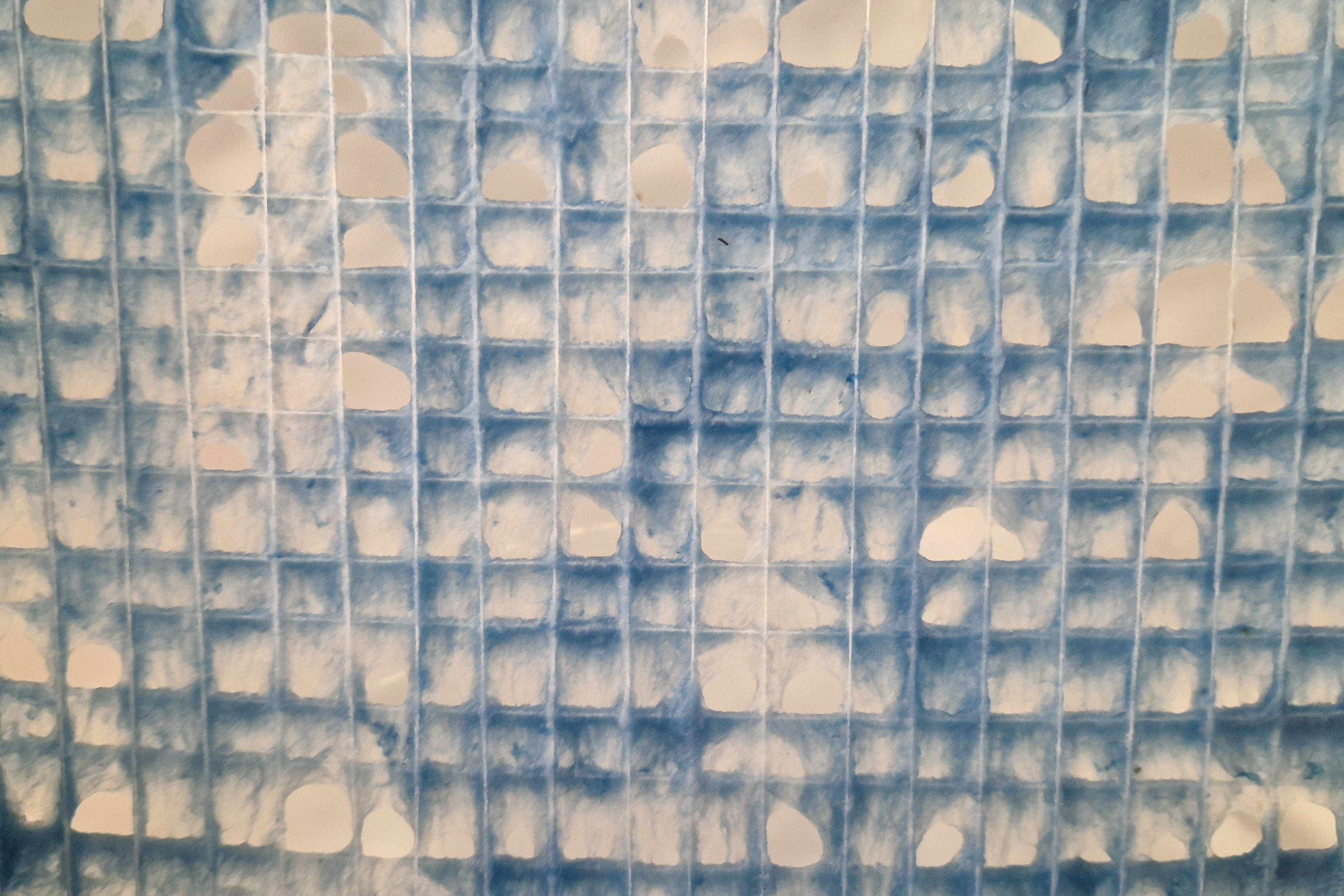
Join us on a journey where every sheet of handmaking paper, every handmaking lampshade, every piece of cake is a tribute to nature's enchanting symphony. Together, let's create art from NATURE together.
Wish you all a joyful holiday season and a happy new year!
At Ecoyard Nature Studio, we have been focusing on promoting eco-friendly handmaking paper that includes using commonly found local plant material. Making a lampshade is one of the applications of our handmade paper.
The workshops are avaiable in both English and Finnish.
Would you like to design and make your own lampshade for the coming holiday season? Welcome to join our lampshade workshops!
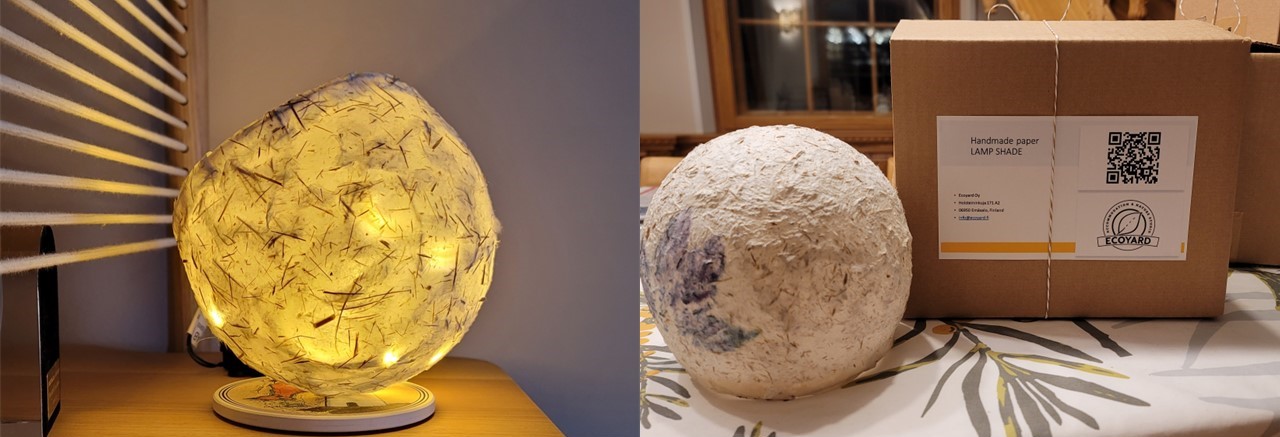
We will be hosting 2 paper making workshops on the following days:
Workshop 1 - 19.11.2023 15:00 - 17:30
Workshop 2 - 3.12.2023 15:00 - 17:30
The workshops will be held at: Pinecrest Villa, Holsteininkuja 171, 06950 Emäsalo
Price per person is 45 EUR/person (incl. VAT). Handmaking paper and all needed material are provided (light is not included). Afternoon coffee/tea is included.
Registration by 15.11.2023 via email: info@ecoyard.fi
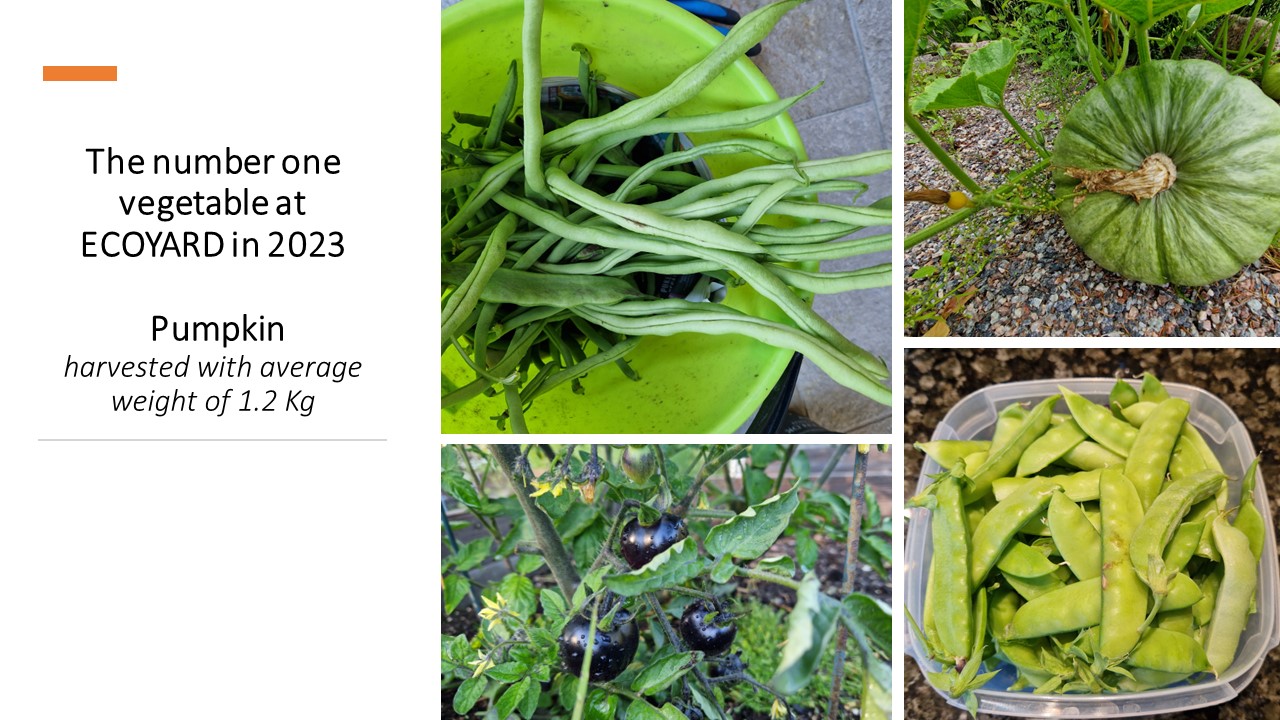
Our second year of home growing vegetables is coming to the close season now. After the initial year of learning the ropes and getting a feel for our garden, the second year allowed us to build on that experience and take our gardening skills to a new level.
Last autumn, we added house-compost to the soil and focused on improving the soil quality and soil enrichment. This year, we rotated vegetables for reducing the risk of pests and diseases; we followed people with vegetable planting experience and paid special attention to the planting seasons of various vegetables, which greatly improved the output of some leafy vegetables.
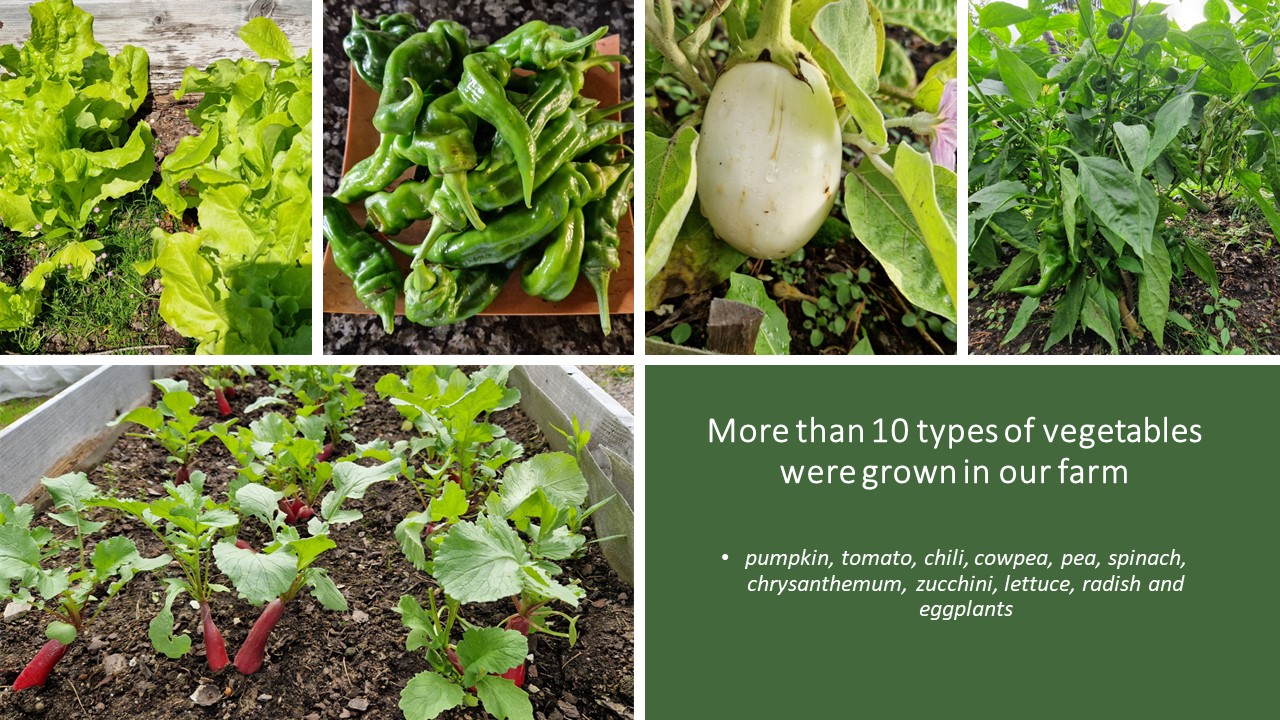
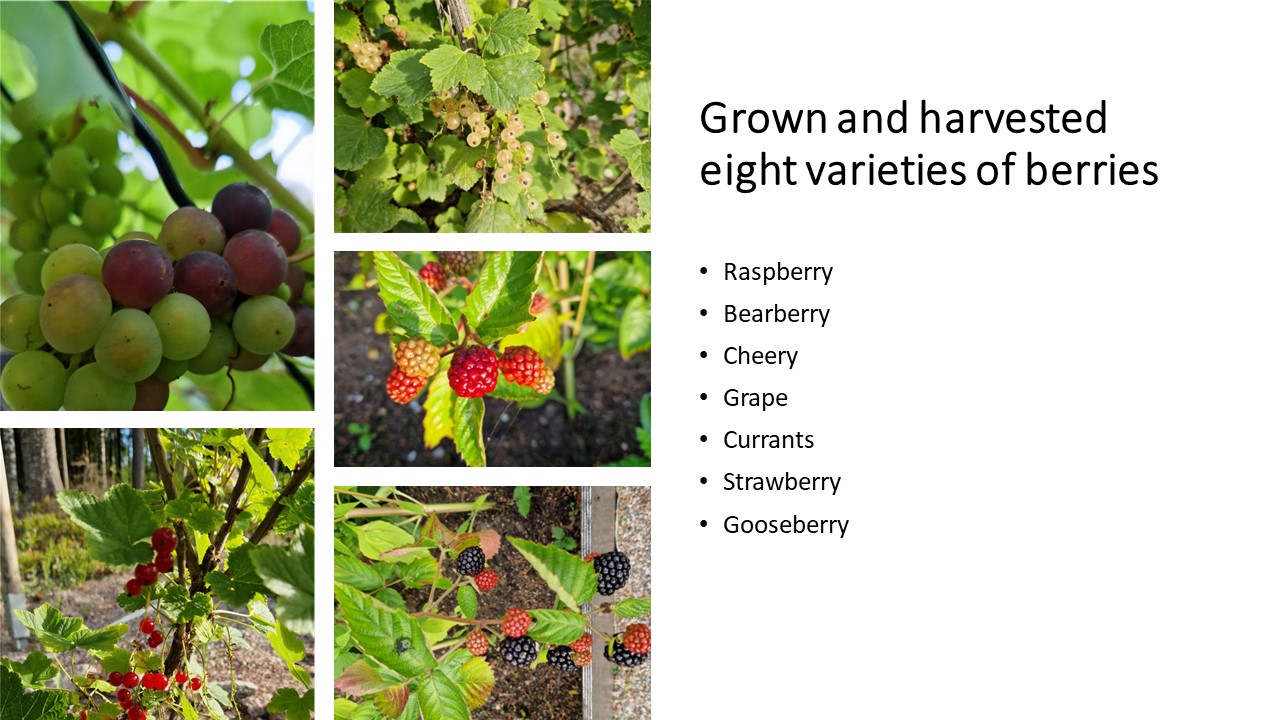
Last year, we started to collect and planting a variety of berry branches, and finally had some harvests this year. Our guests from abroad really enjoyed tasting wild and cultivated berries here at Pinecrest Villa.
Another very exciting thing this year is the abundance of delicious edible mushrooms showing up in the yard of Pinecrest Villa. Most of them were seen for the first time in three years. Our overnight staying guests also enjoyed looking for mushrooms in the yard in the morning.
At Ecoyard, we aim to create a sustainable and eco-friendly environment for everyone, we believe that by taking small steps towards a greener future, we can make a big impact on human well-being and health of planet.
Terrines are classic dishes that showcase layers of various ingredients.
This month, our Nature Studio has challenged to use Finnish wild berry powders, which provided by Natural Nordic (www.naturalnordic.fi) to prepare a delightful dessert that captures the essence of the Nordic forests. This dessert combines the rich flavors of berries with the elegance of a terrine presentation.
Two examples of wild berry powders were tested:
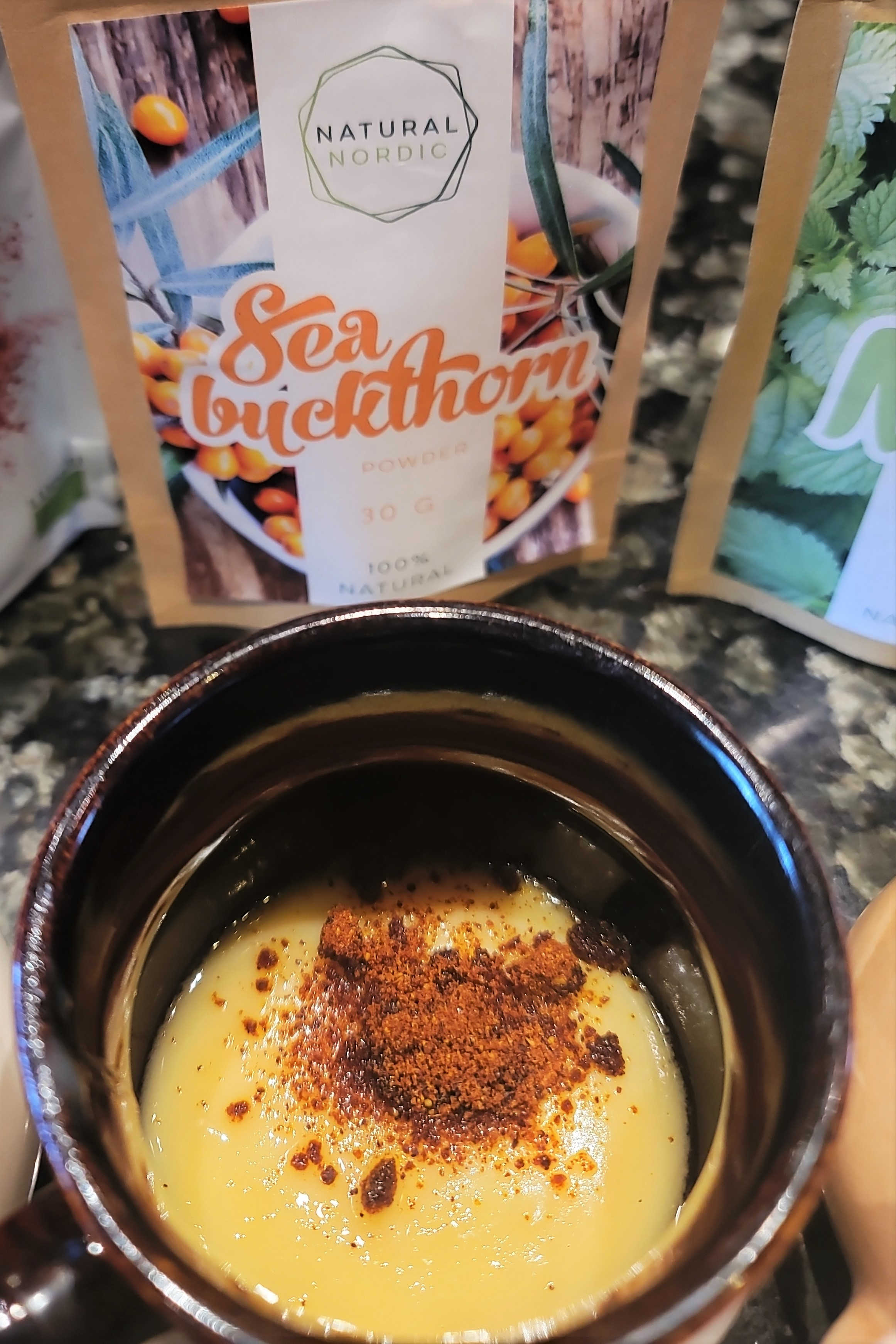
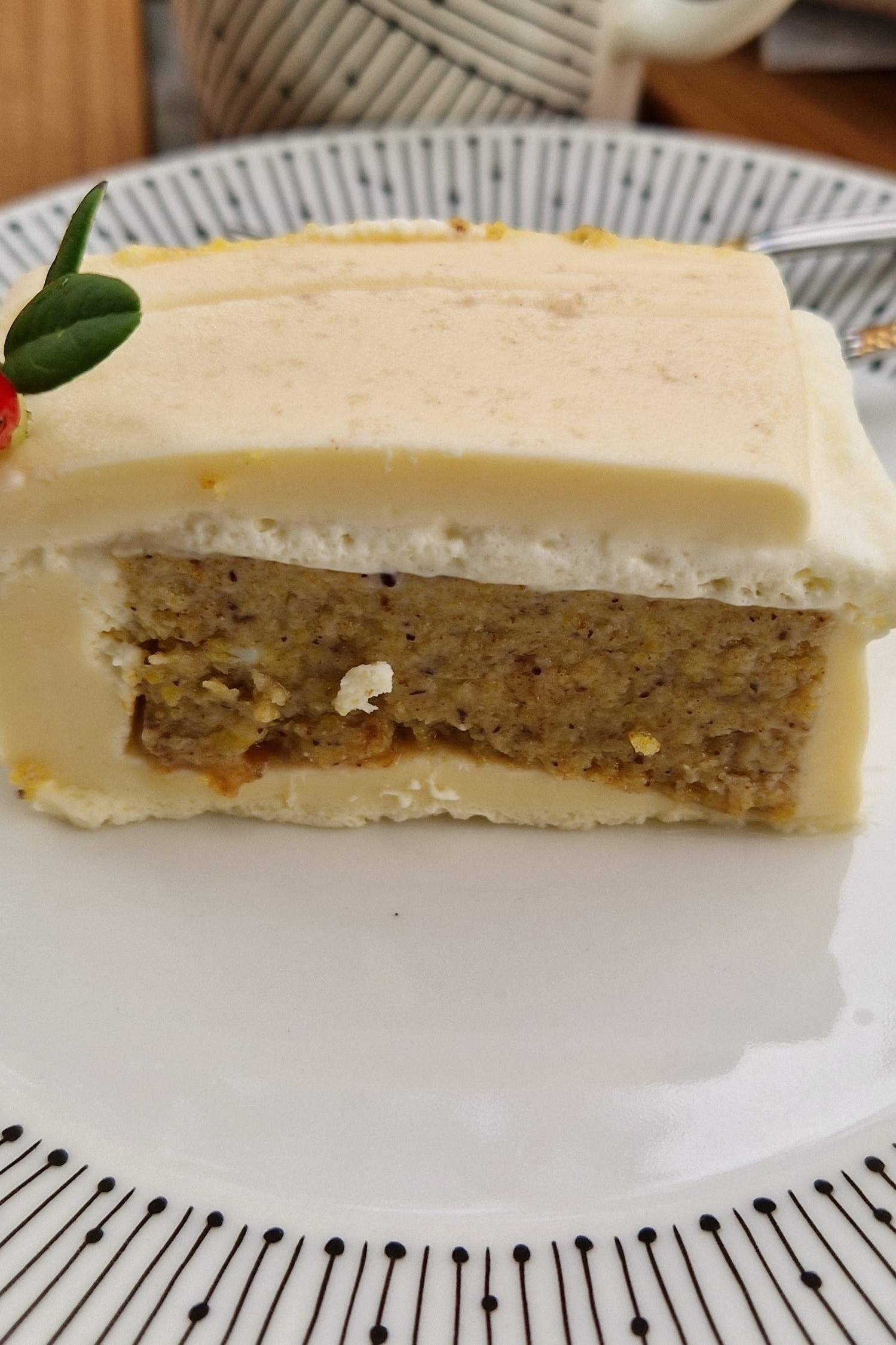
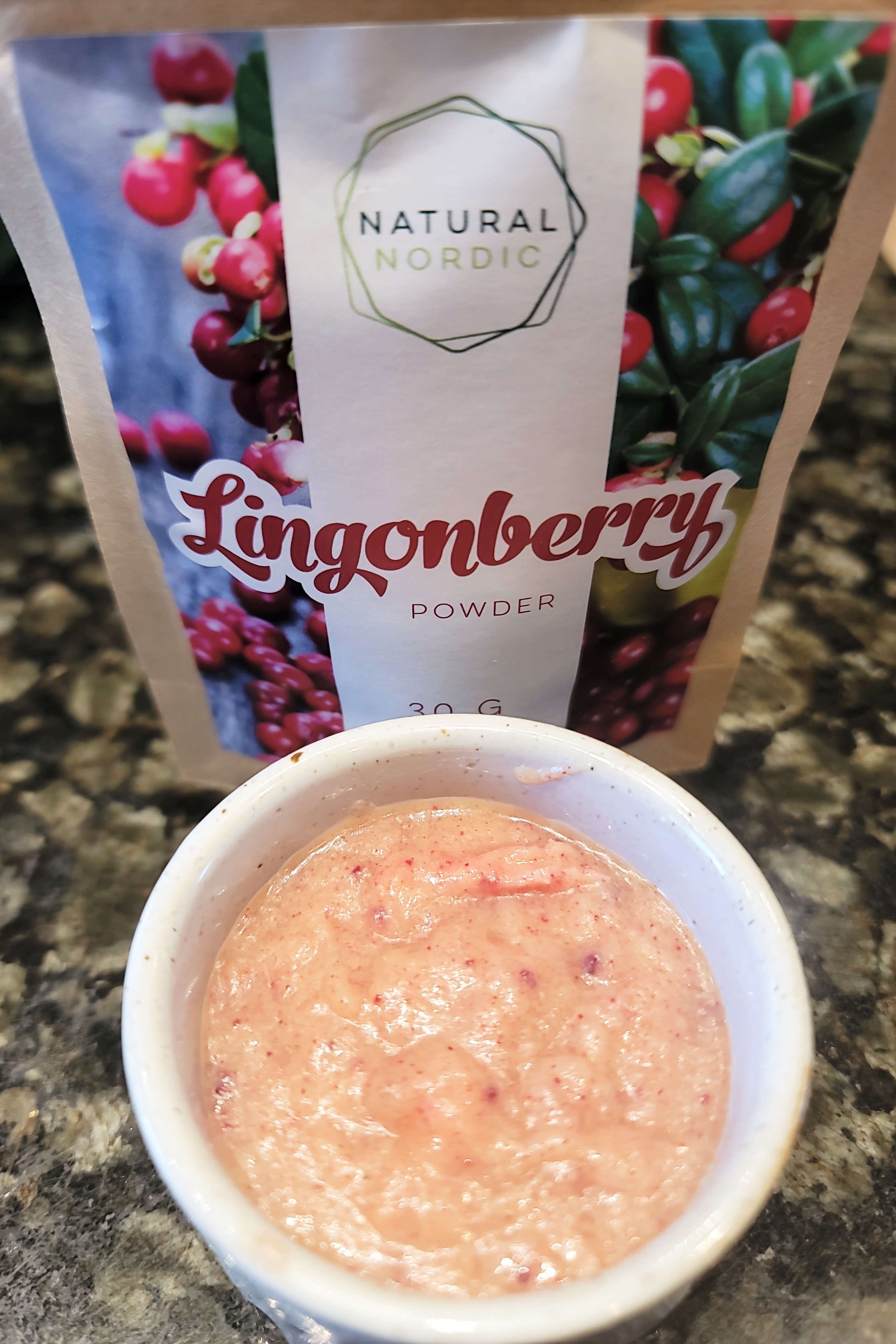
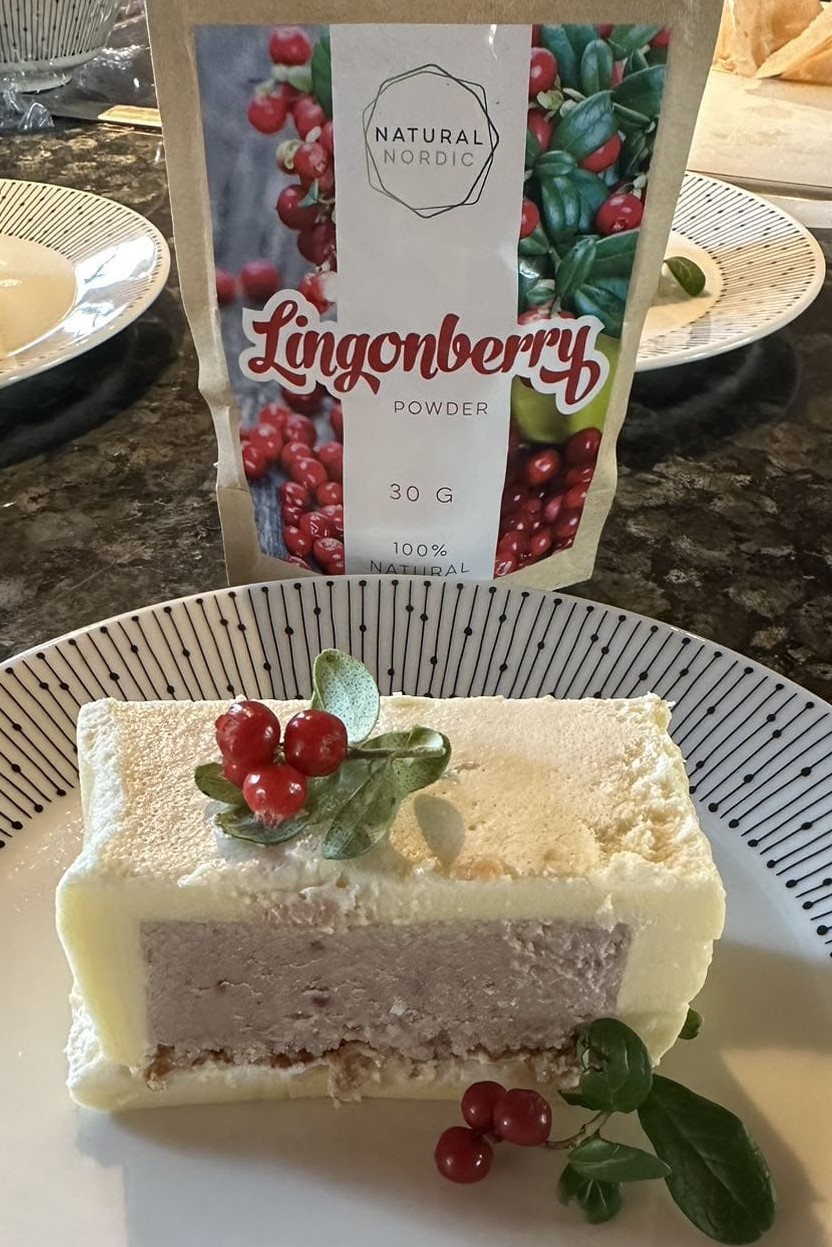
This Finnish wild berry powder sweet terrine is a unique dessert that celebrates the natural flavors of Nordic berries while offering a visually appealing presentation. It's perfect for summer gatherings, special occasions, or whenever you want to indulge in a taste of the wild, sweet North.
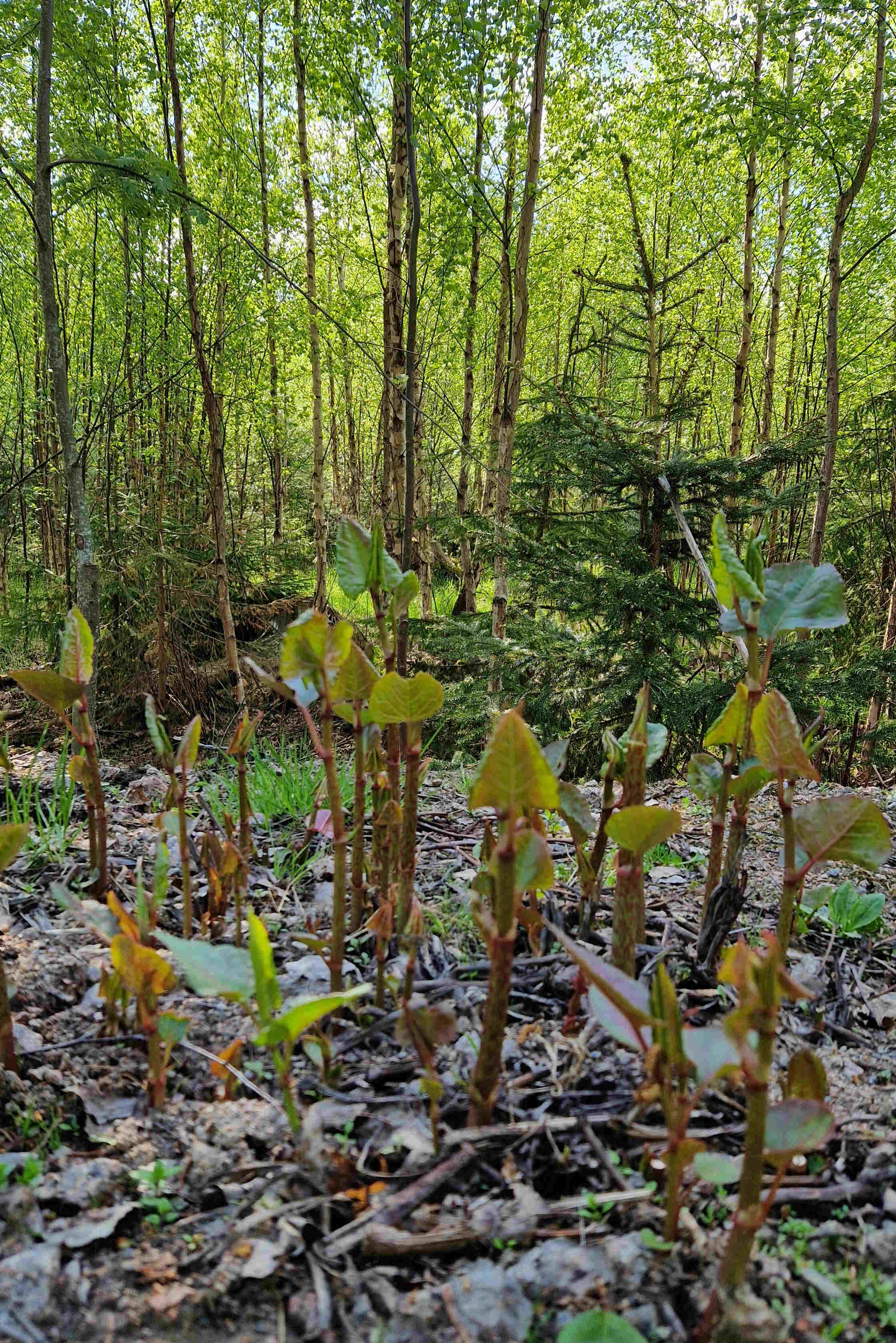
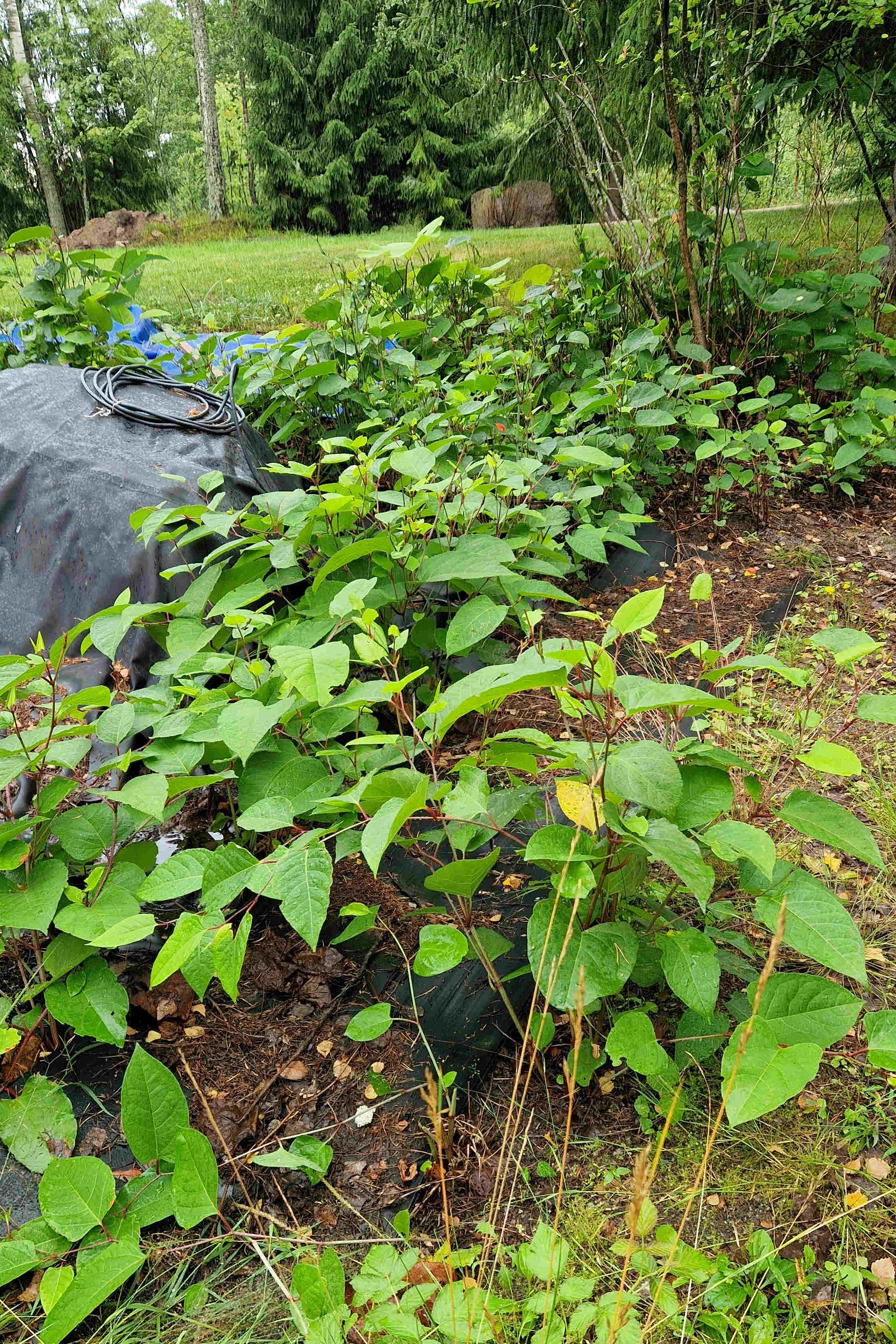
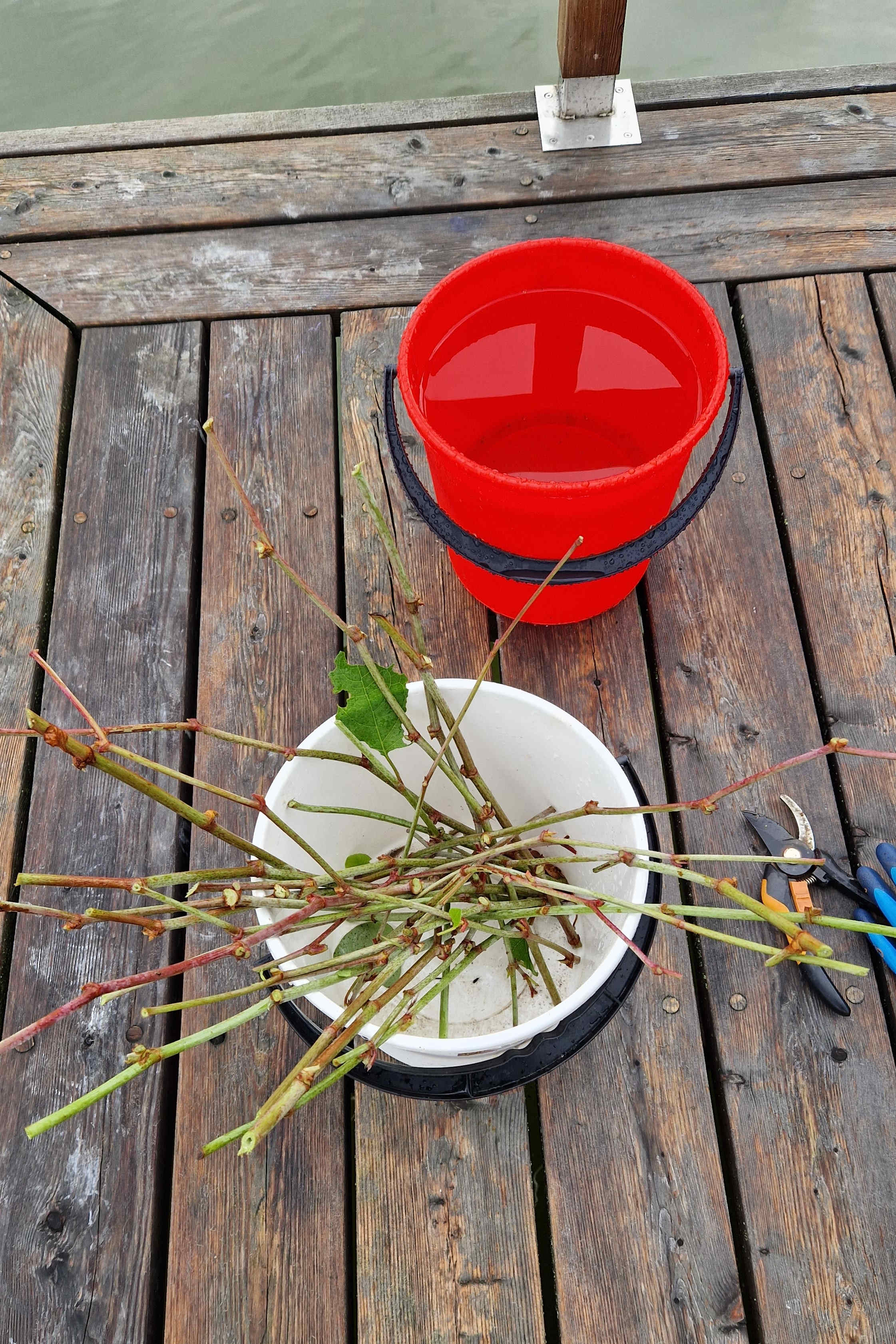
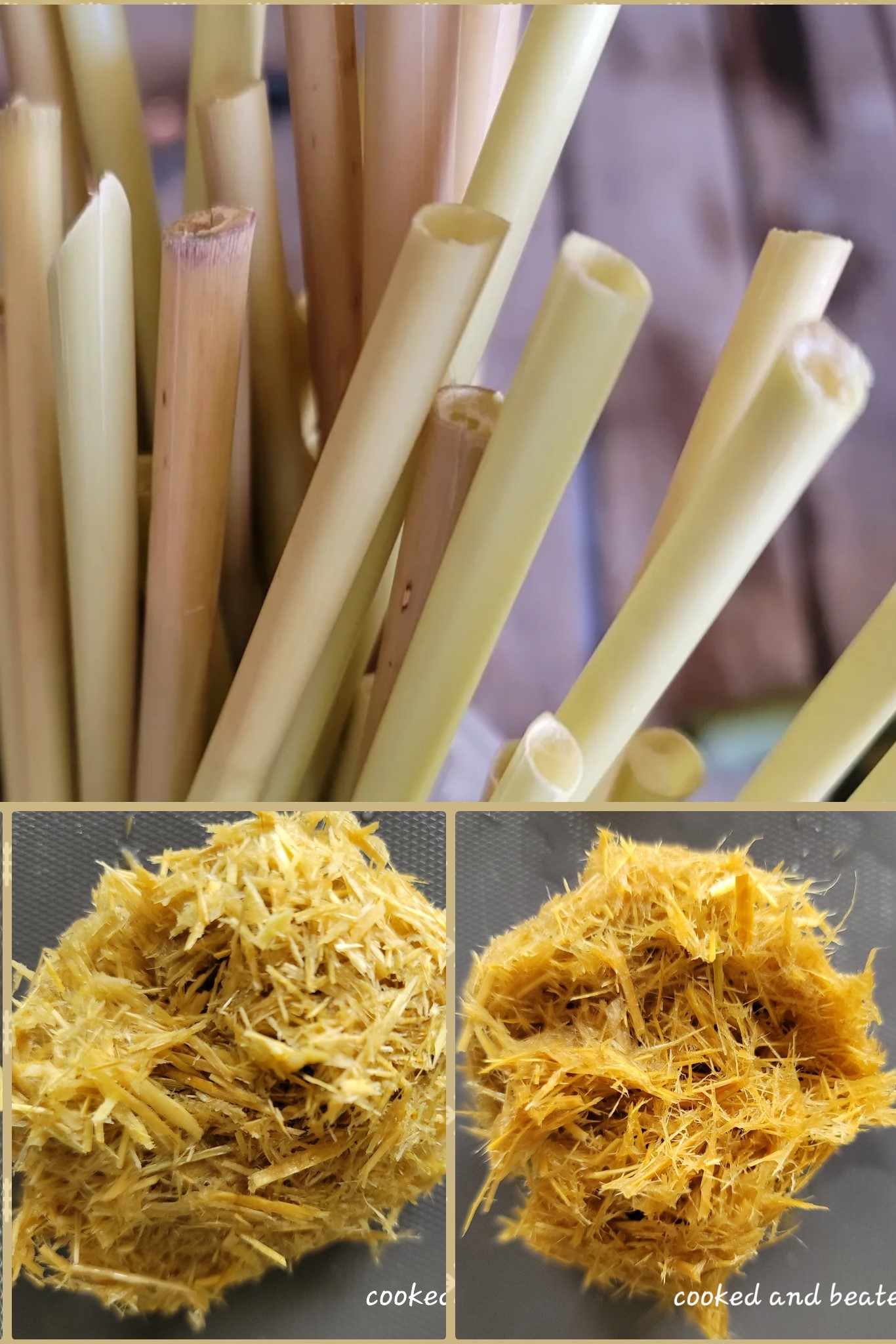
One main target of our Nature studio this year is to further explore how to produce the plant fibers from reeds and Japanese Knotweed plants. Last year we boiled plant material in the furnace ash water and separated fibres by beating for the process, and while we got relatively small plant fragments, we didn't get right plant fiber.
This summer we have collected new plant material and are experimenting with nature composite method for producing plant fiber.
Nature has provided us with various ingenious methods for producing plant fibers, many of which can serve as inspiration for sustainable and eco-friendly fiber production processes.
Using a biological process that breaks down the non-fiber components of plant stems, leaving behind the strong and durable fibers has long been widely used. It occurs naturally in aquatic environments like rivers and ponds, where water microorganisms aid in breaking down the pectin and lignin that bind the fibers to the plant stem. This process softens the fibers, making them easier to extract and process into various materials.
We are placing plant stems are submerged in sea and well water. Microorganisms in water and degrade plant material with temperature changes.
After 1-2 years, the softened plant stems are mechanically processed to separate the fibers from the non-fibrous materials. This can involve techniques such as scraping, beating, or brushing.
It's a long process! Let's see next year or 2-years late, what kind paper material we can get.
The first handmade paper workshop of 2023 was held in 21.05 on the serene seaside. Everyone immersed themselves in the art of paper making, surrounded by the beauty of the nature.
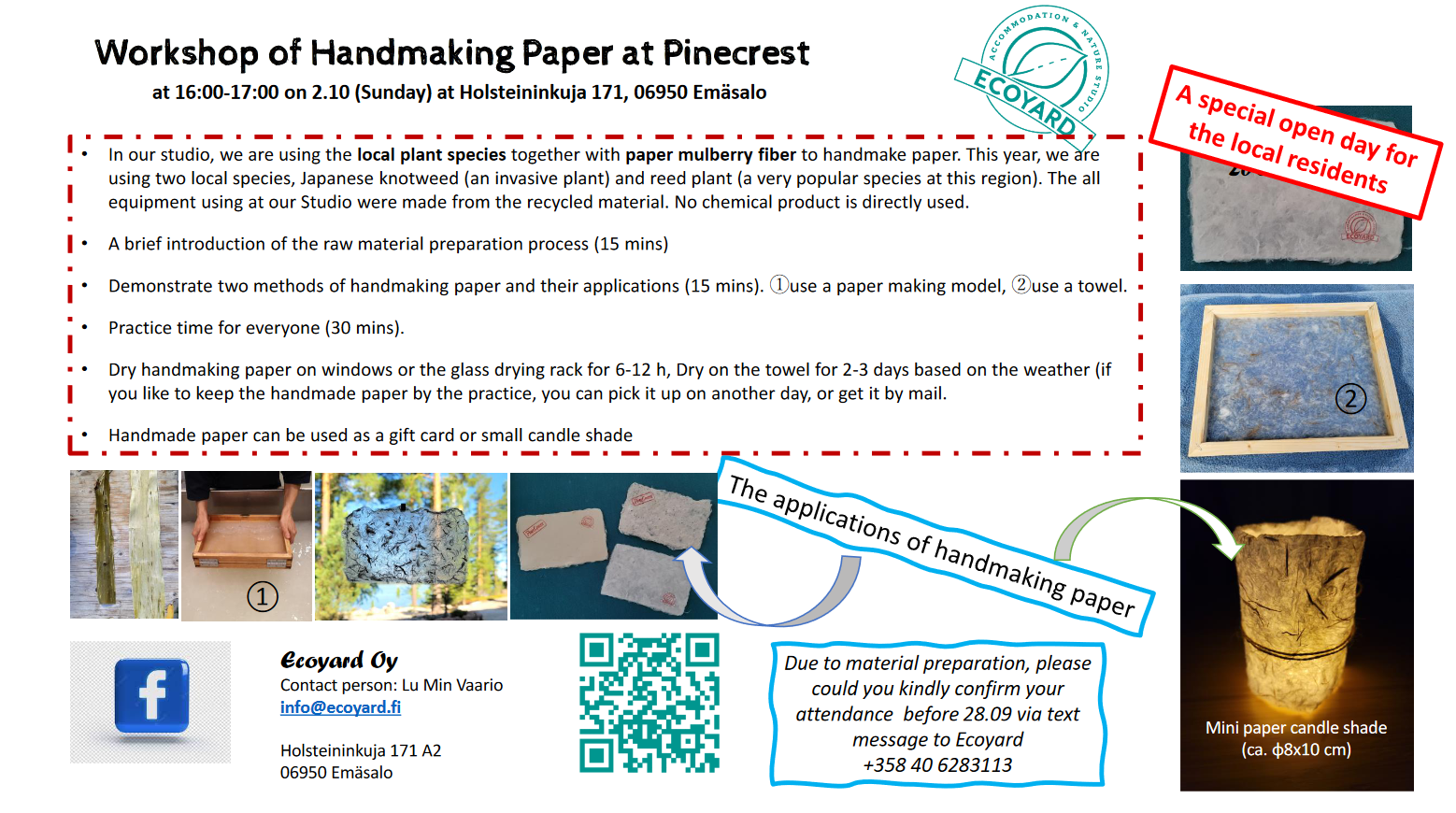
In this workshop, we selected 'fiber and color' as the theme, used paper mulberry fiber with two colors and reed fiber. Our participants followed the instructor to learn the process of material preparation, from plant raw material to pulp; then experiment with different textures and colors to create personalized paper.
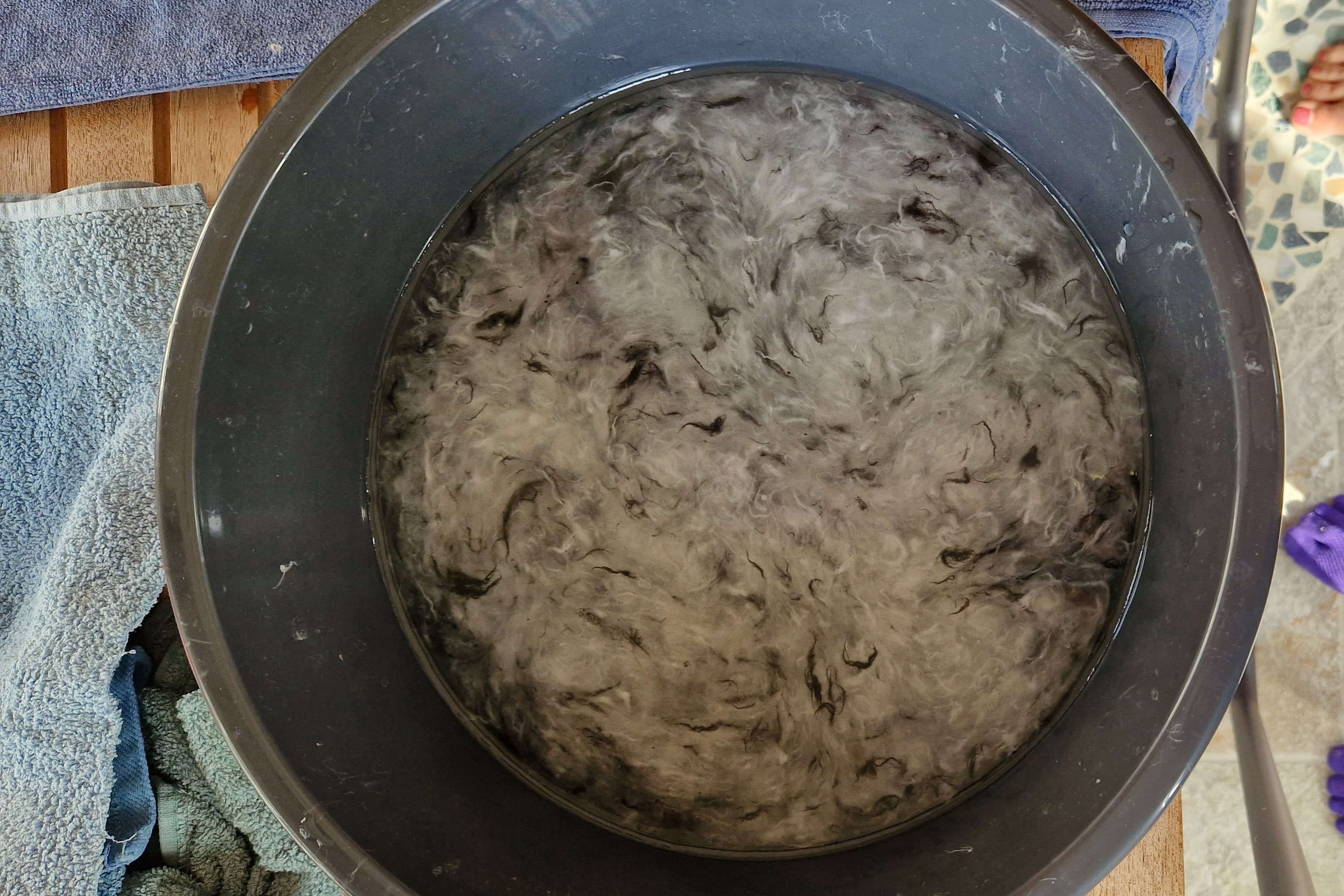
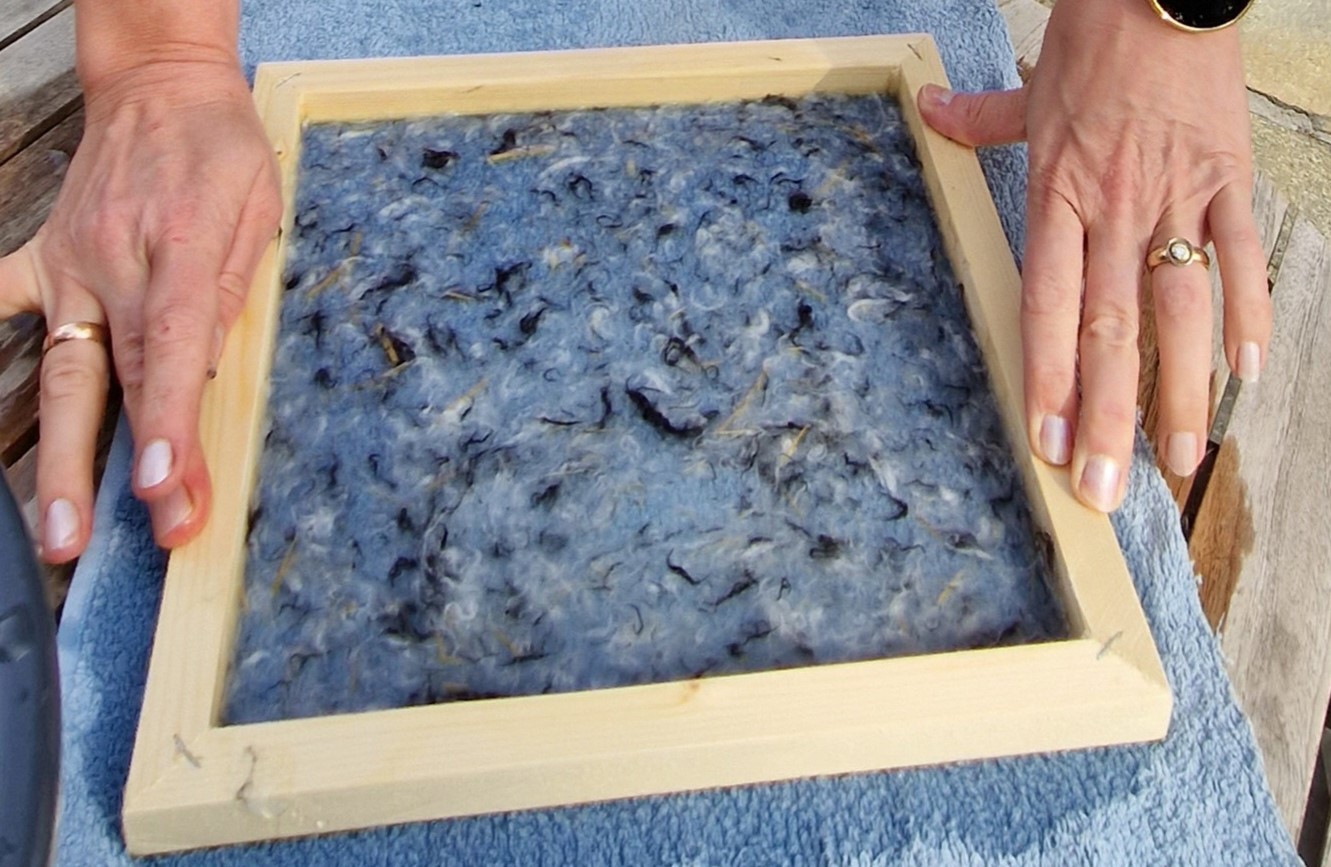
We pay great attention to environmental protection. We do not use extra energy and chemical additives throughout the workshop. The papers finished by all participants are also dried naturally. Everyone will get their own work later.
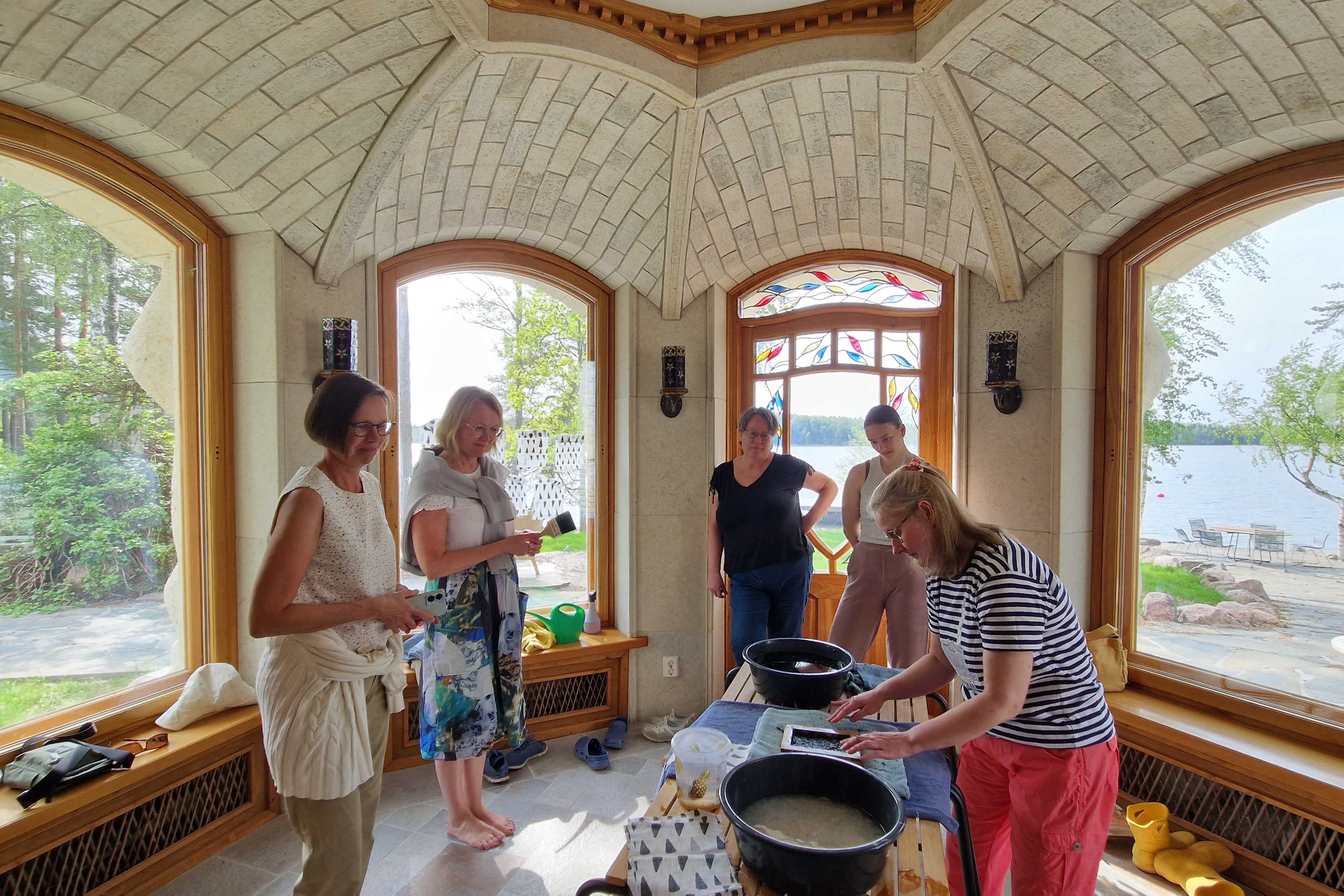
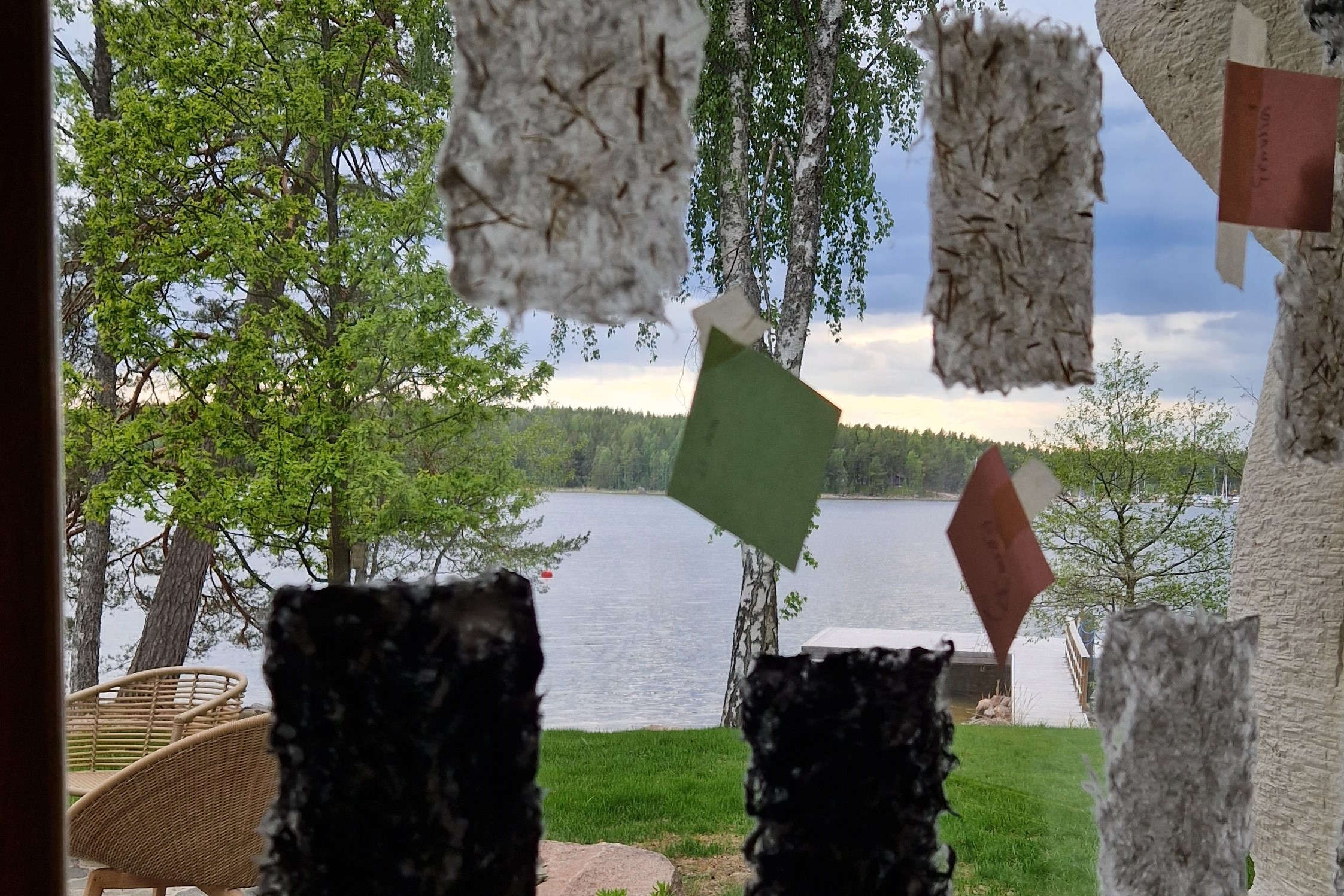
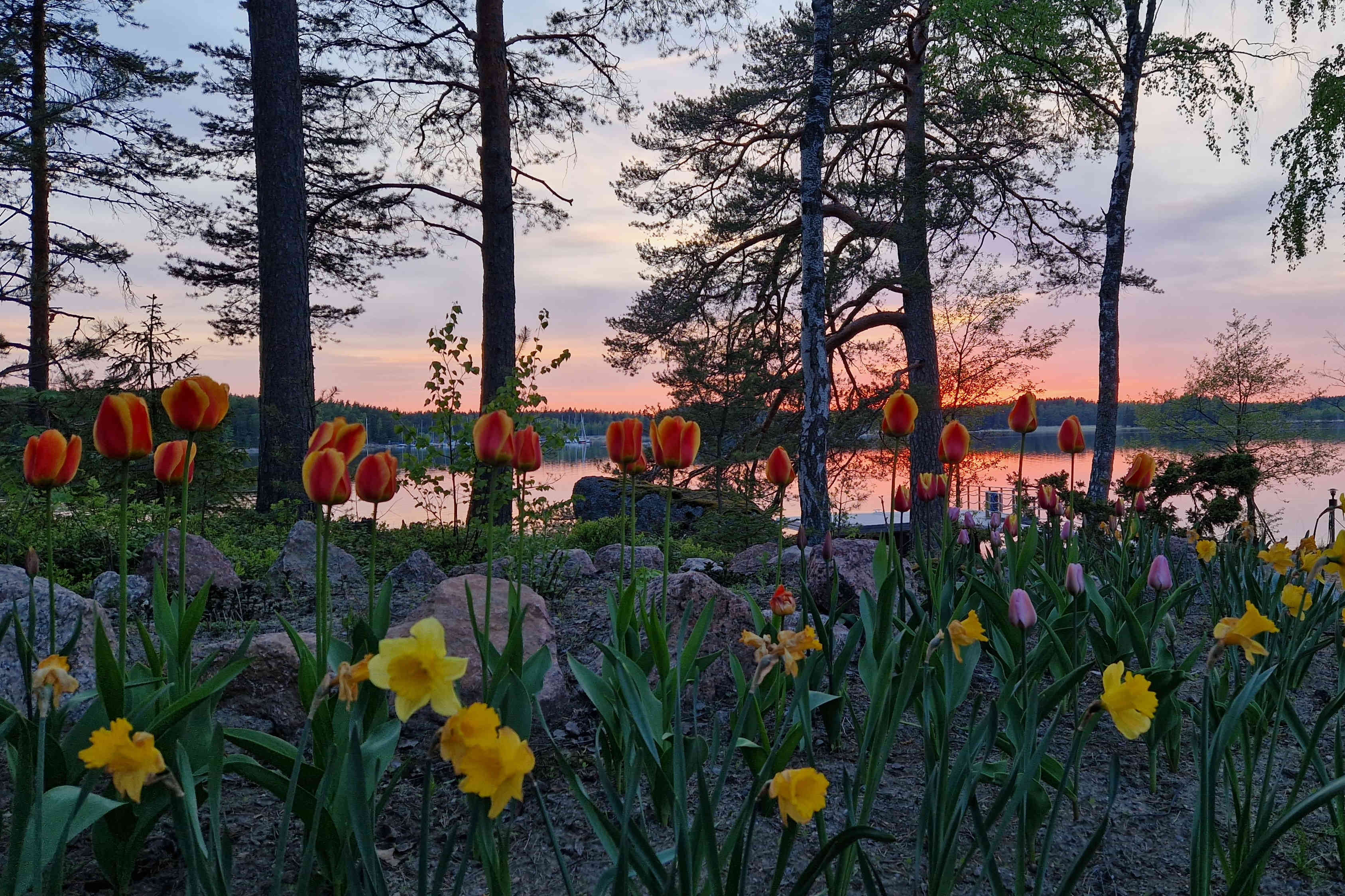
After 2 hours experiencing papermaking, we also tasted handmade desserts by the host and a variety of coffee and tea from different countries. The beauty of nature connects us and inspires us to create. See you again!
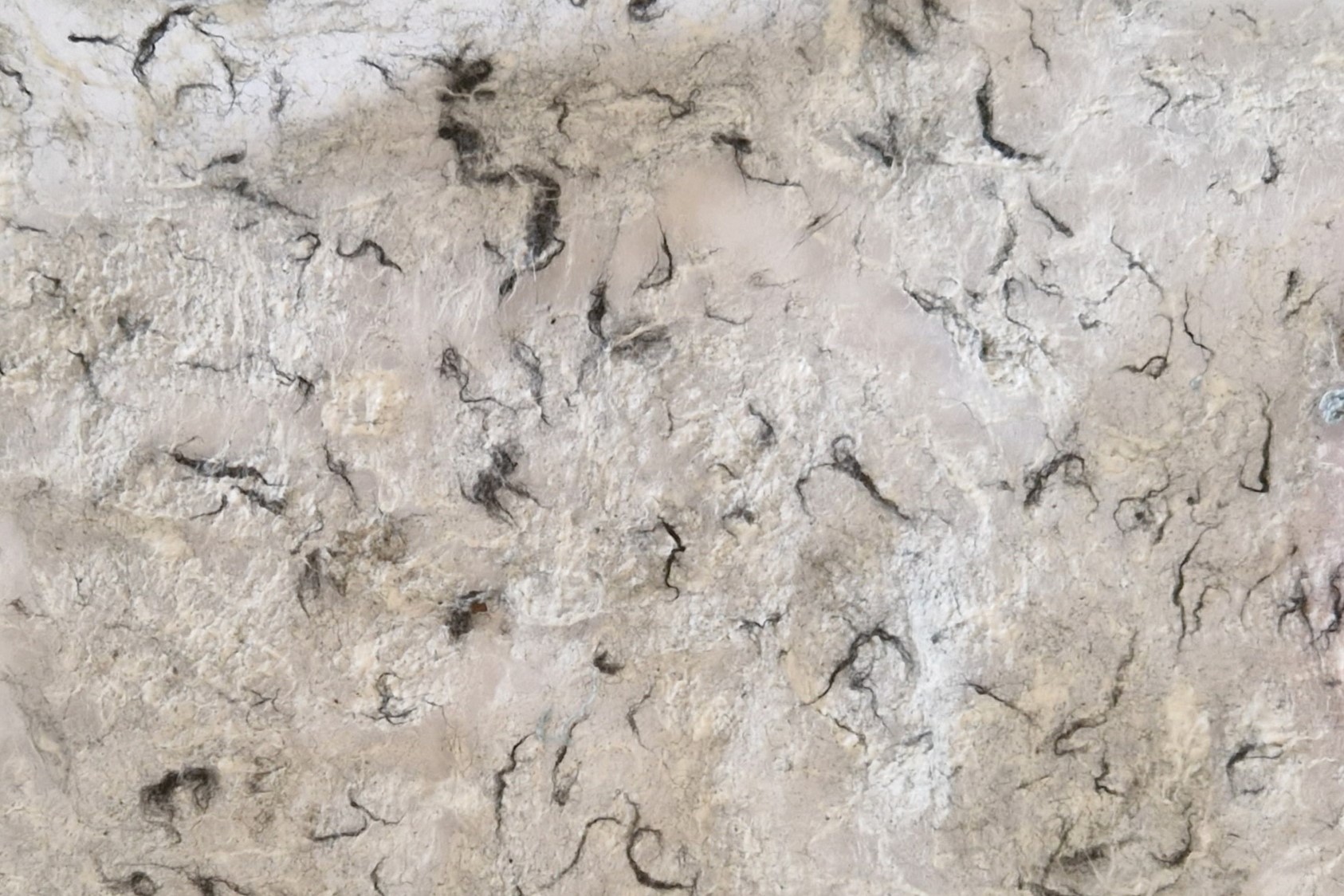
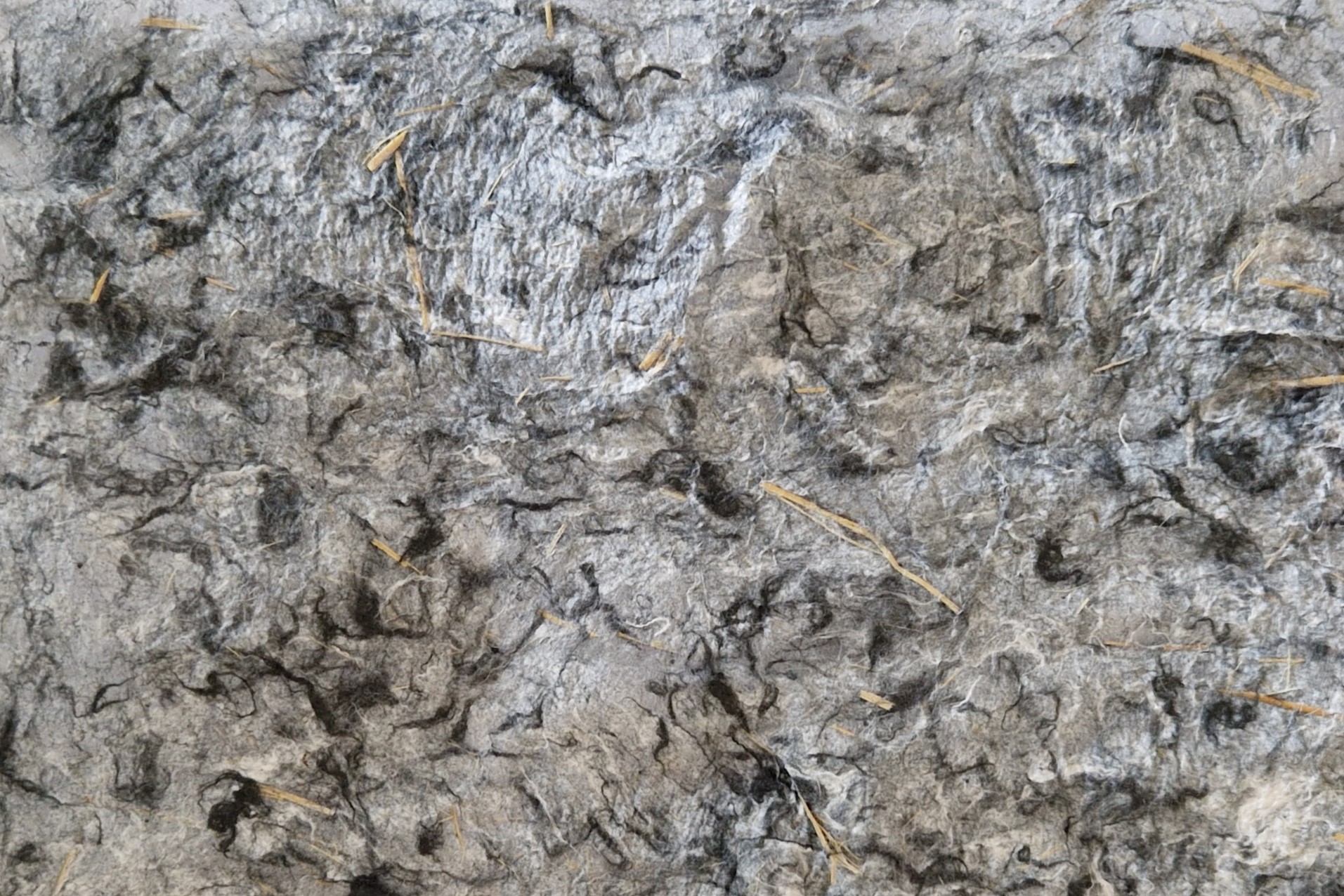
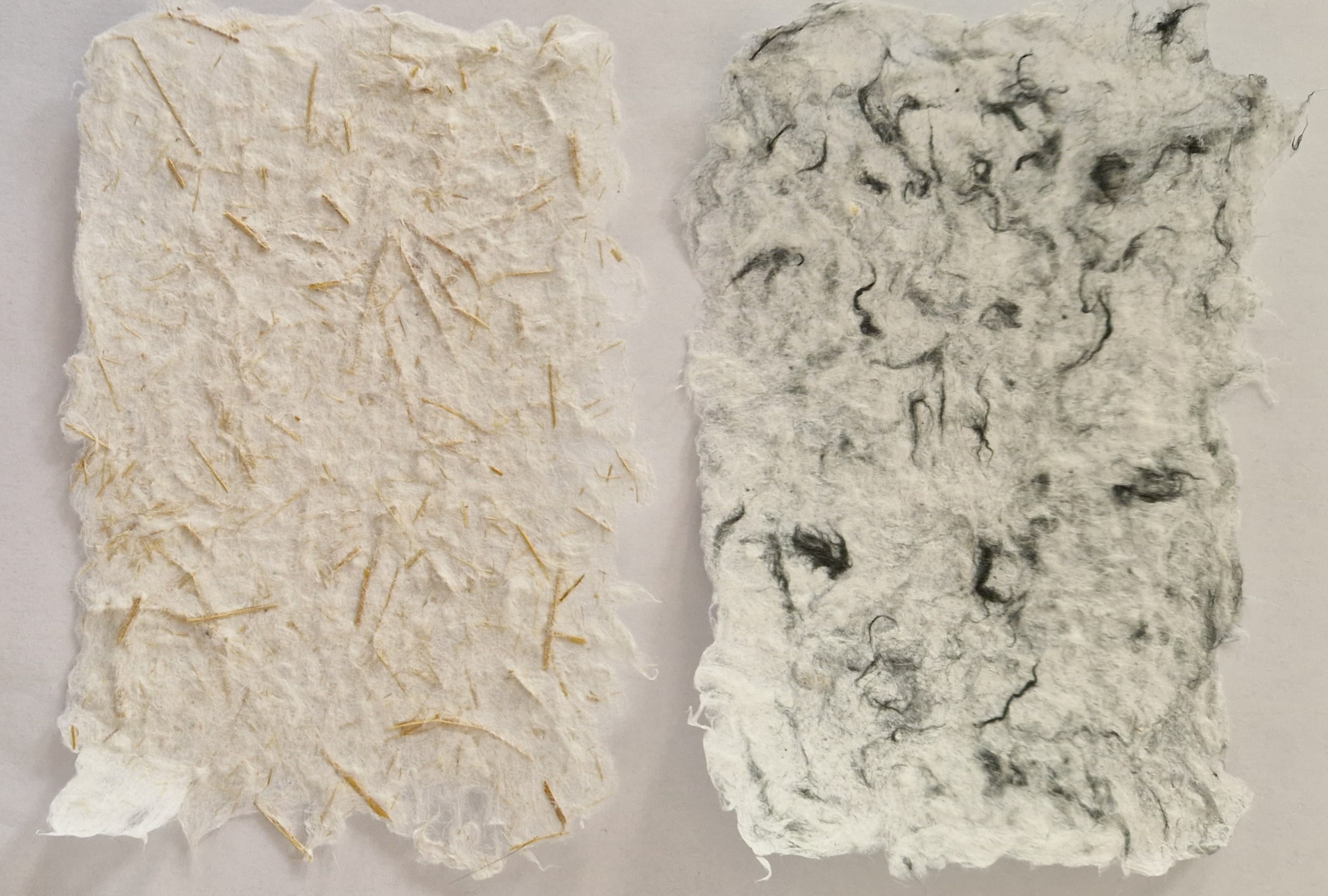
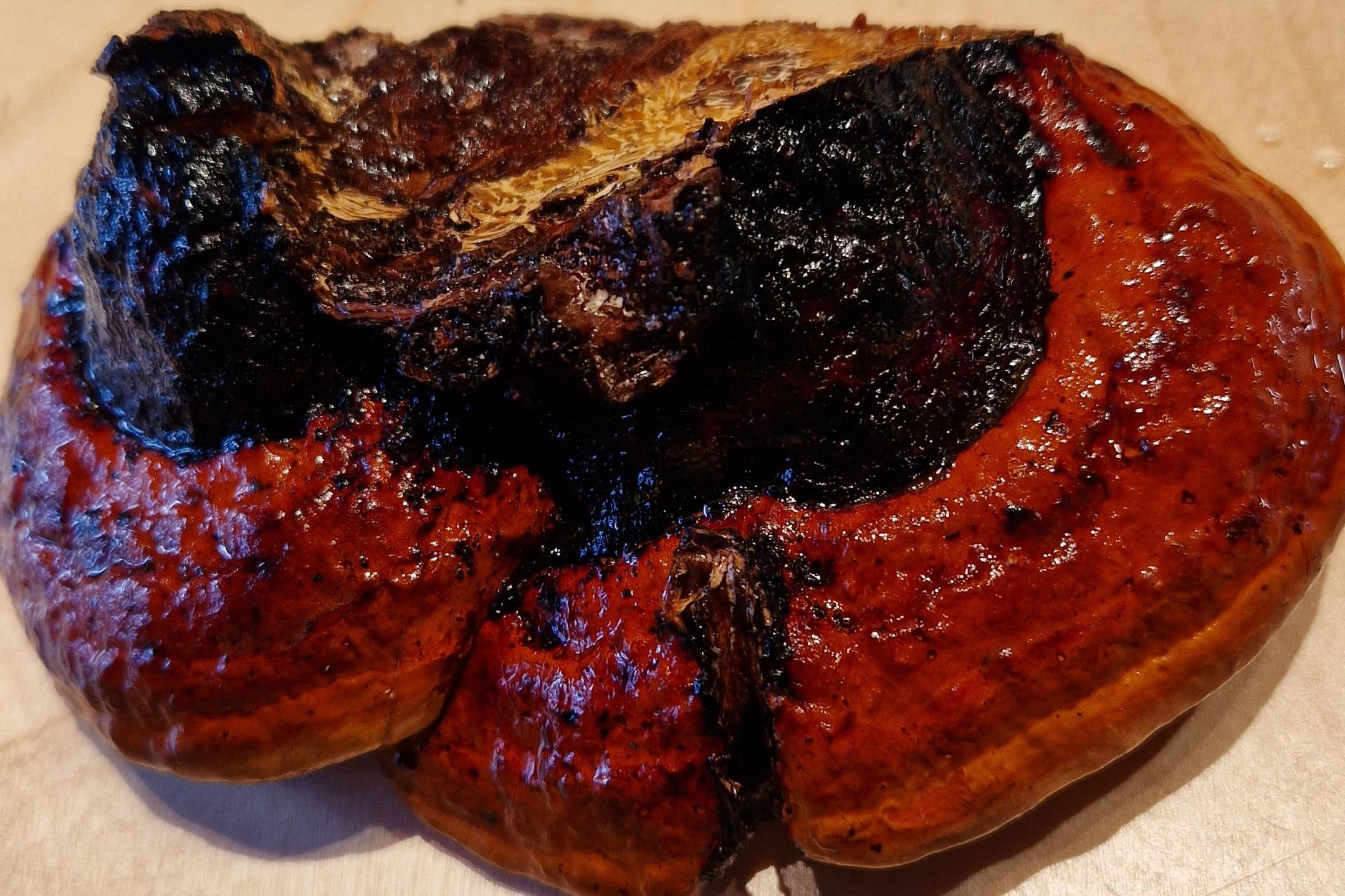
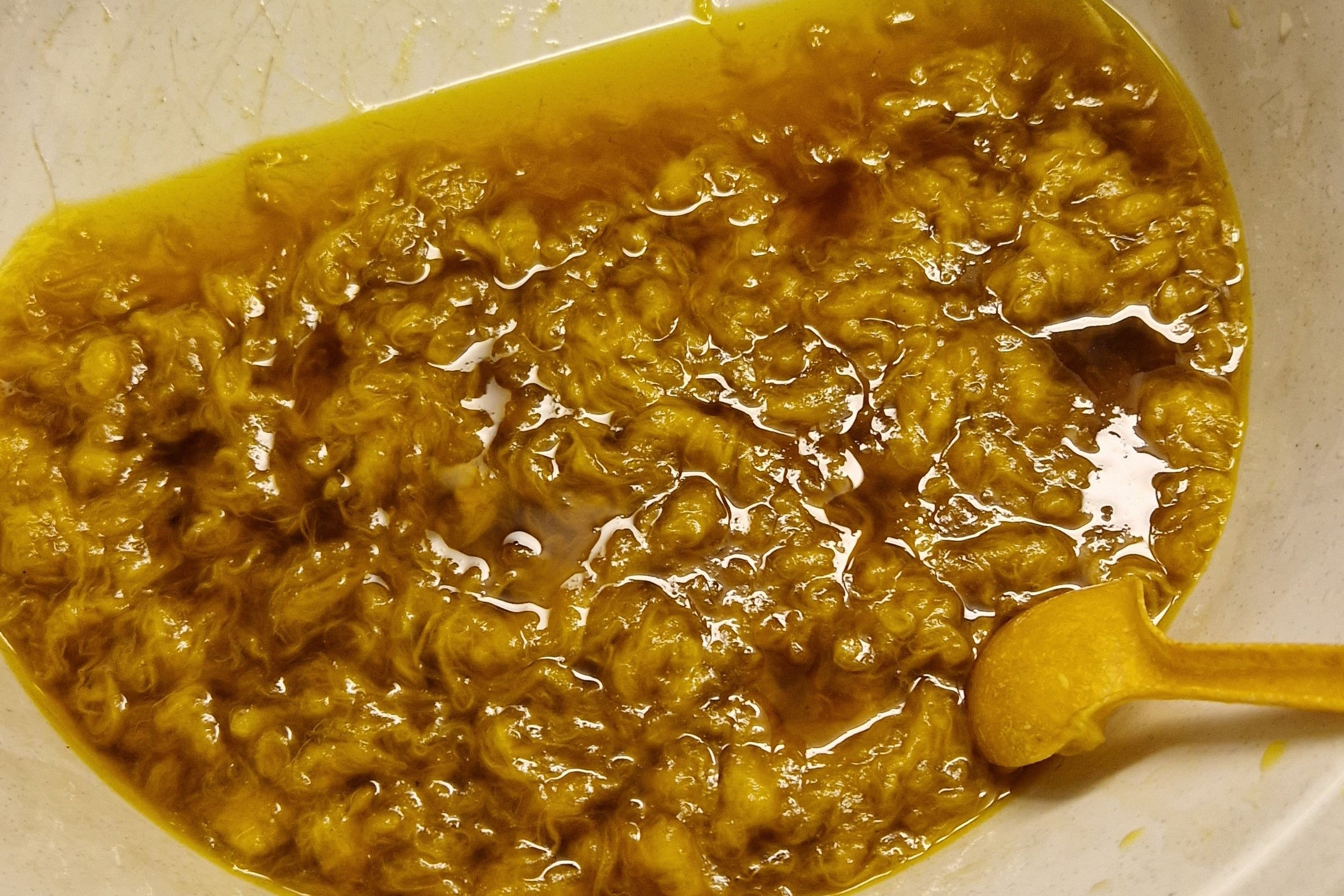
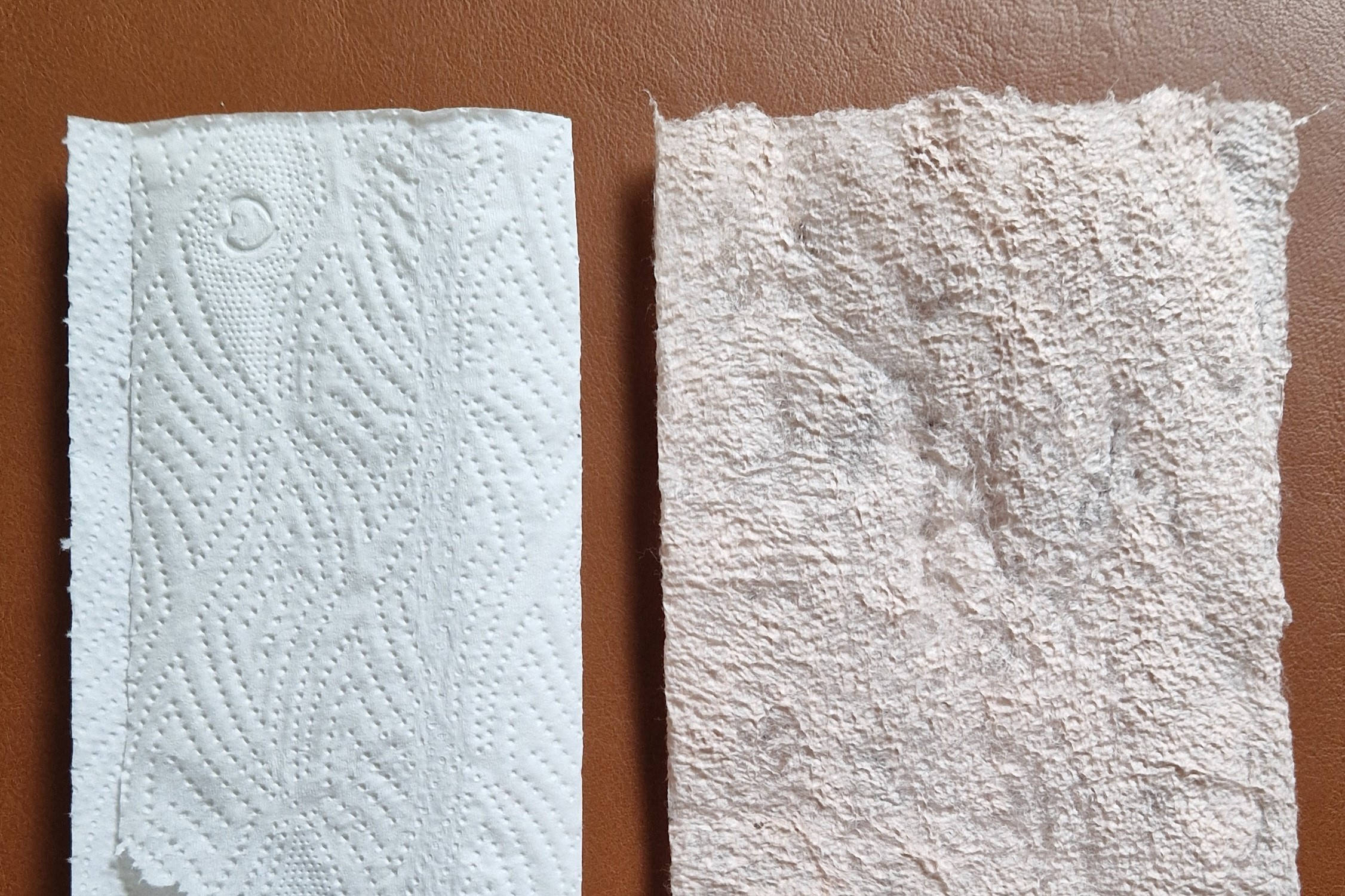
Our next challenge at Ecoyard is to extract the colors of mushrooms and plants and then dye the fibers of handmade paper. Below are pictures of the dye extraction process as well as the finished product compared to white paper towel.
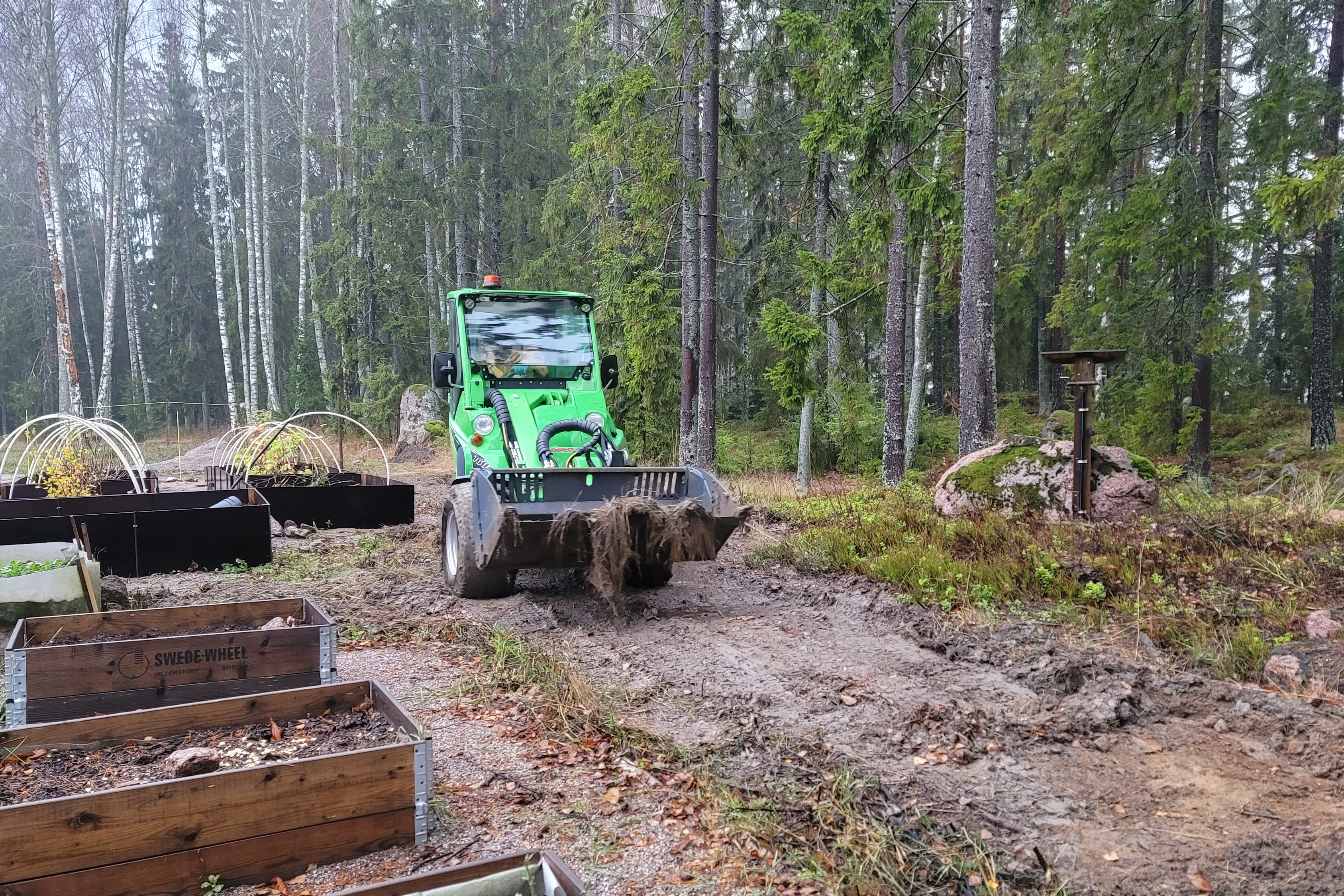
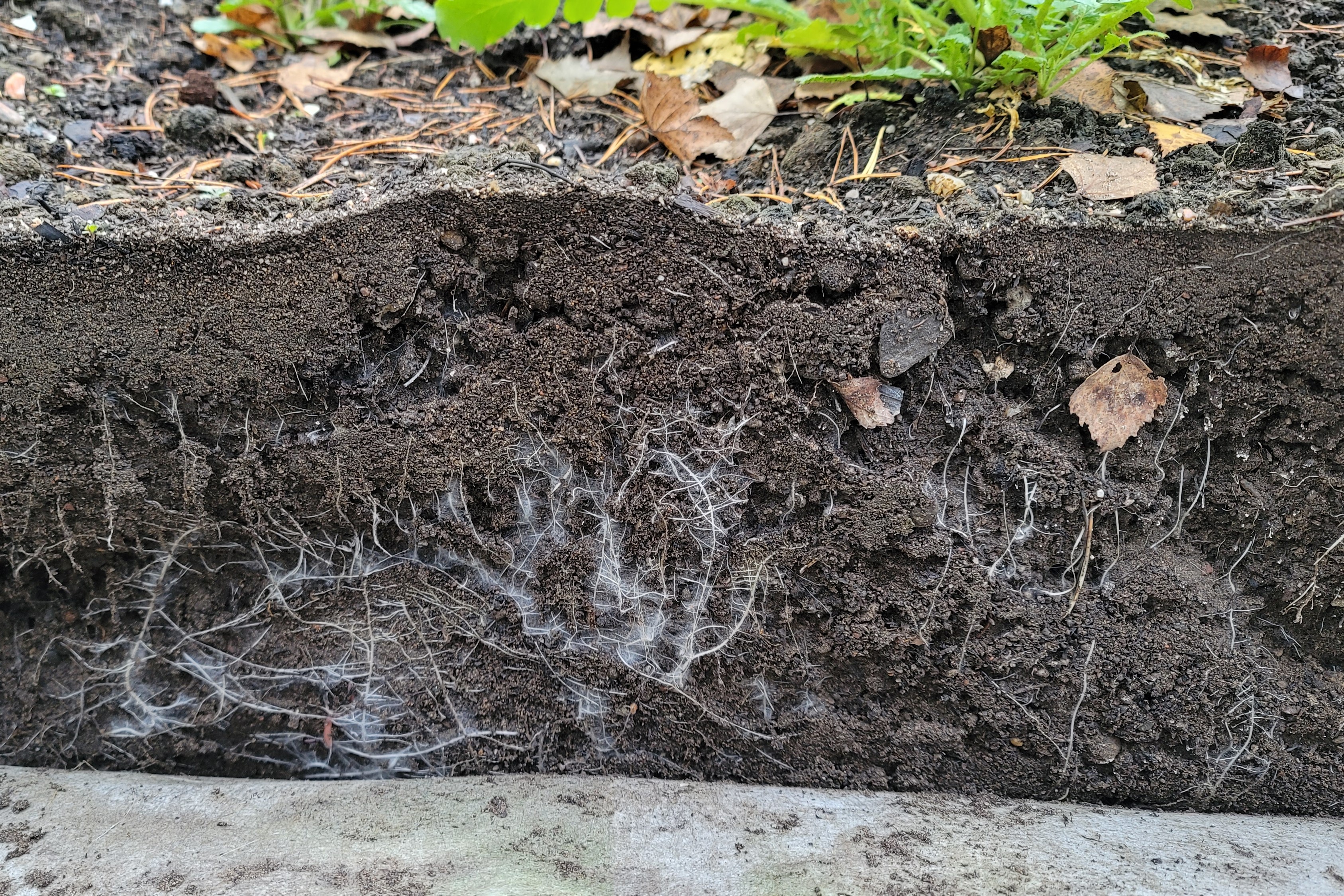
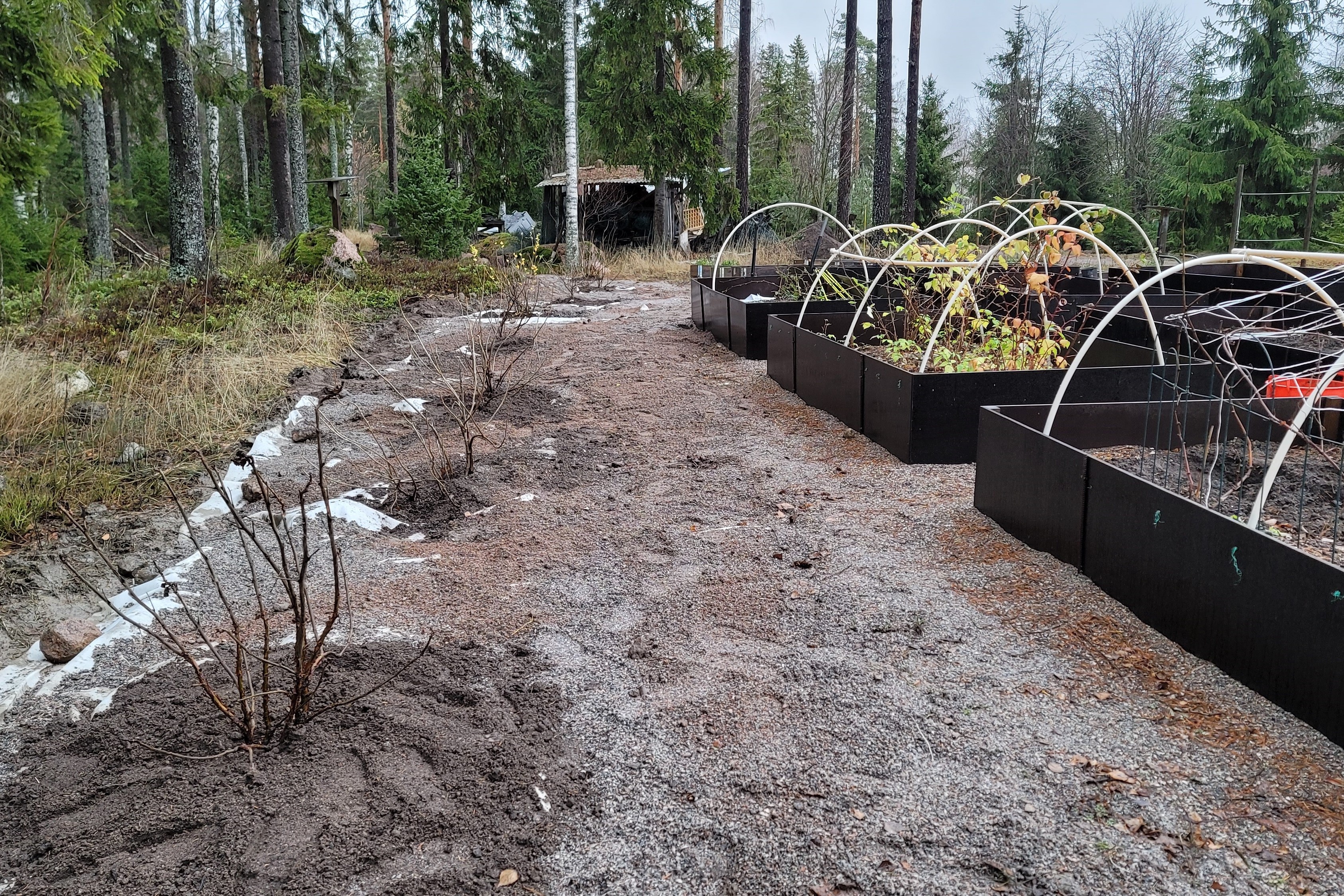
We are enlarging the farm area at Pinecrest yard. The use of composted organic material for 2 years may have allowed the soil to have considerable amount of microbial communities. The additional space will be perfect for planting berry bushes!
The daytime is getting darker and darker. It’s the time to practice paper craft indoors!
I participated in several courses of paper craft and paper making at Ozu Cultural Classes, Tokyo, last year (Ozu Washi - Ozu Cultural Classes). I really enjoyed all activities and learned a lot at Ozu Washi. From Ozu cultural Classes, I have learned that the traditional handicraft art, culture and people's modern life concept are very tacitly combined.
Paper is biodegradable and easily recycled. Handmade paper seems to be a gift to nature. No trees are cut, no energy is wasted, and only natural materials are used.
At Ecoyard Natural Studio, we are conscious of ways we can use resources sustainably, create things ourselves and value the objects in our lives and explore the local materials for ART.
In the pictures below, we show some of the works made with handmade paper.
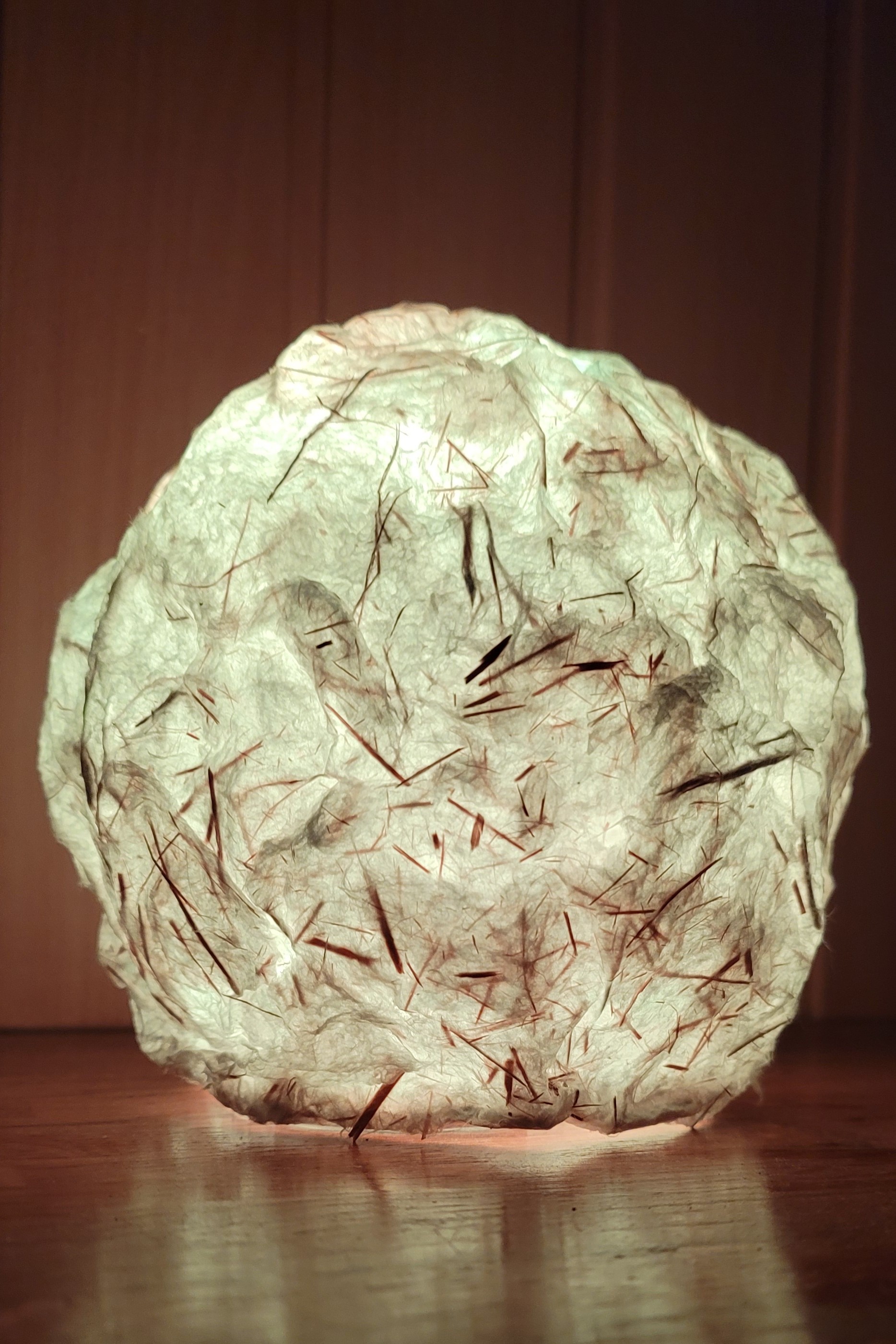
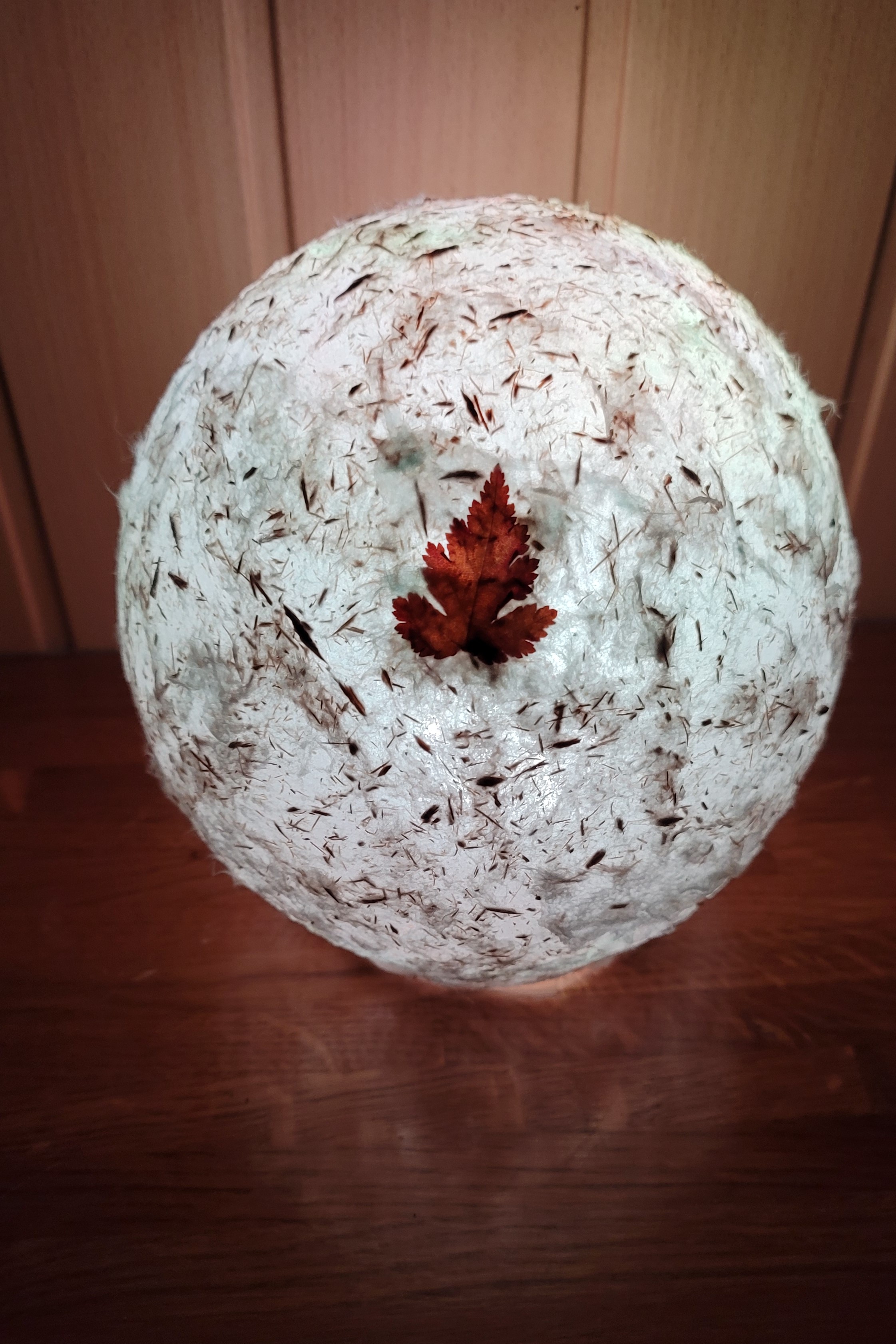
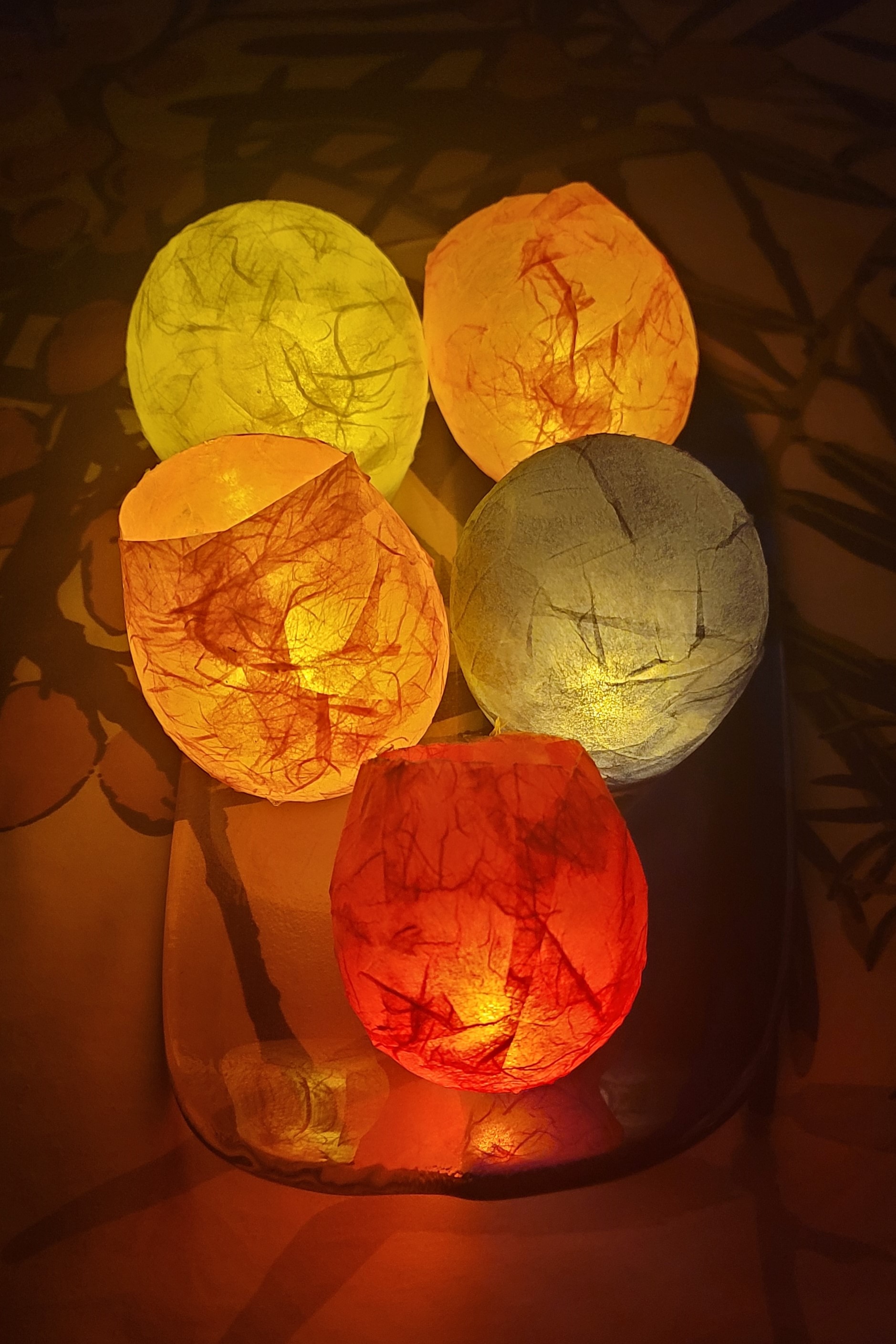
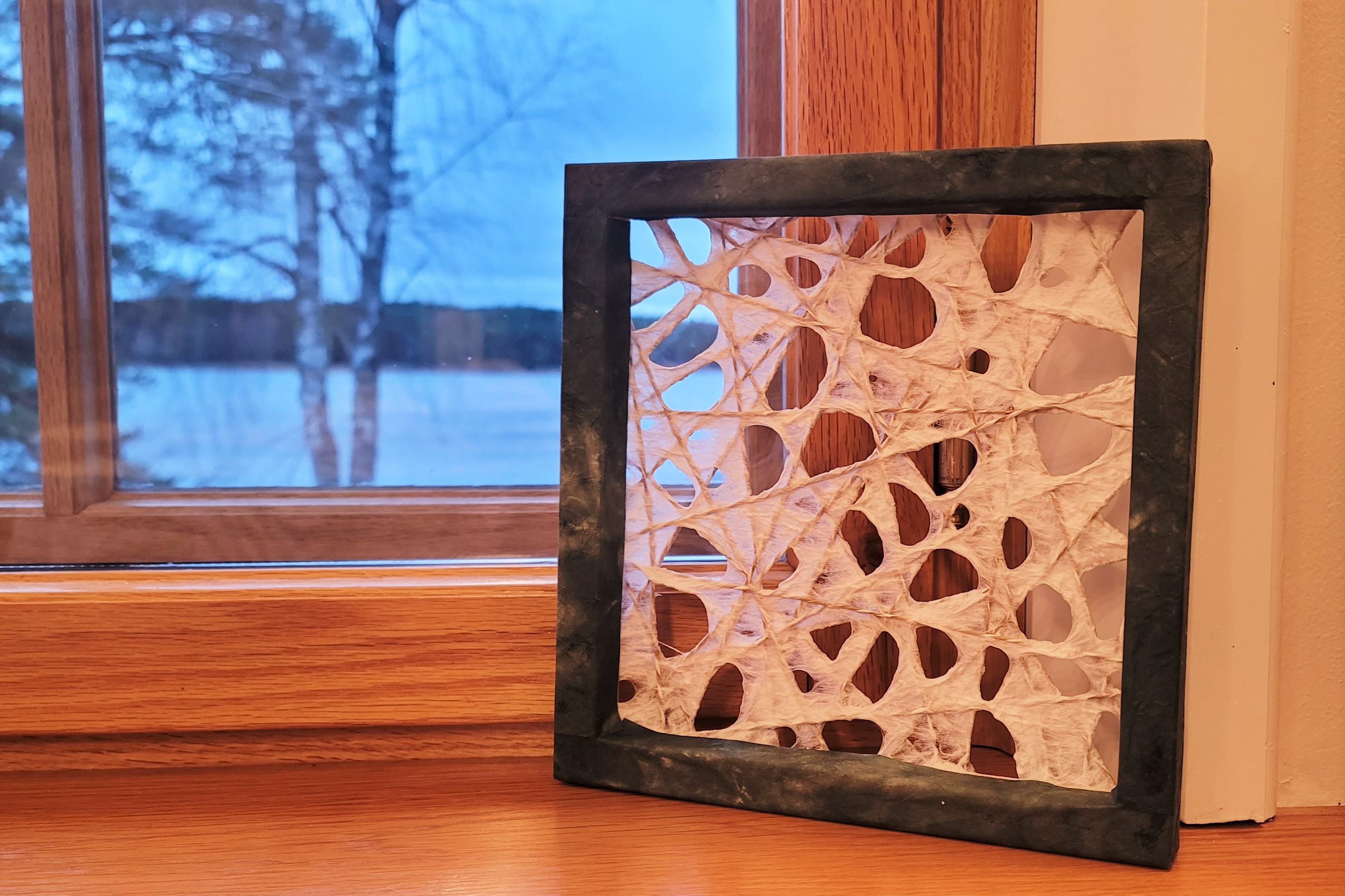
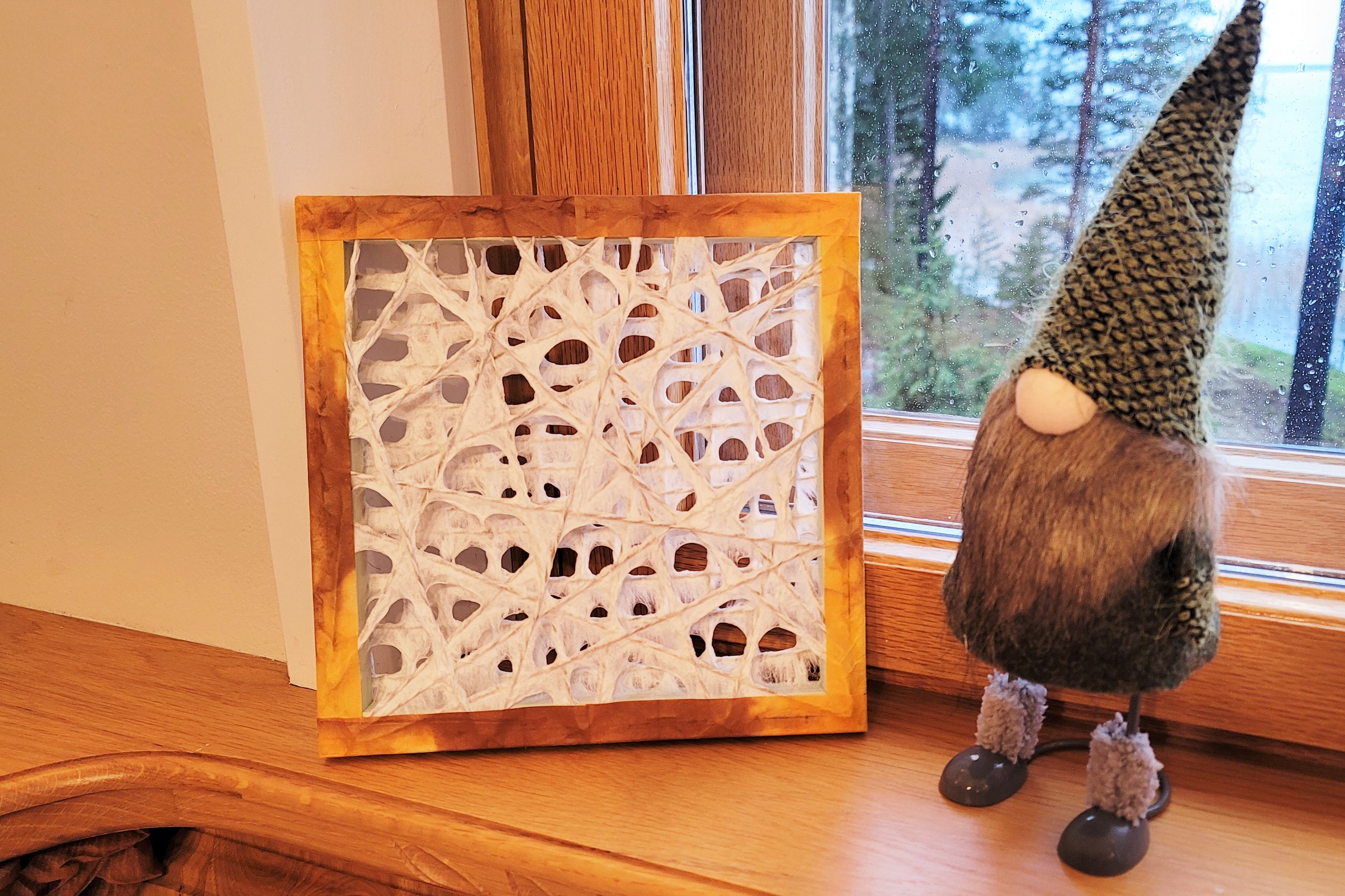
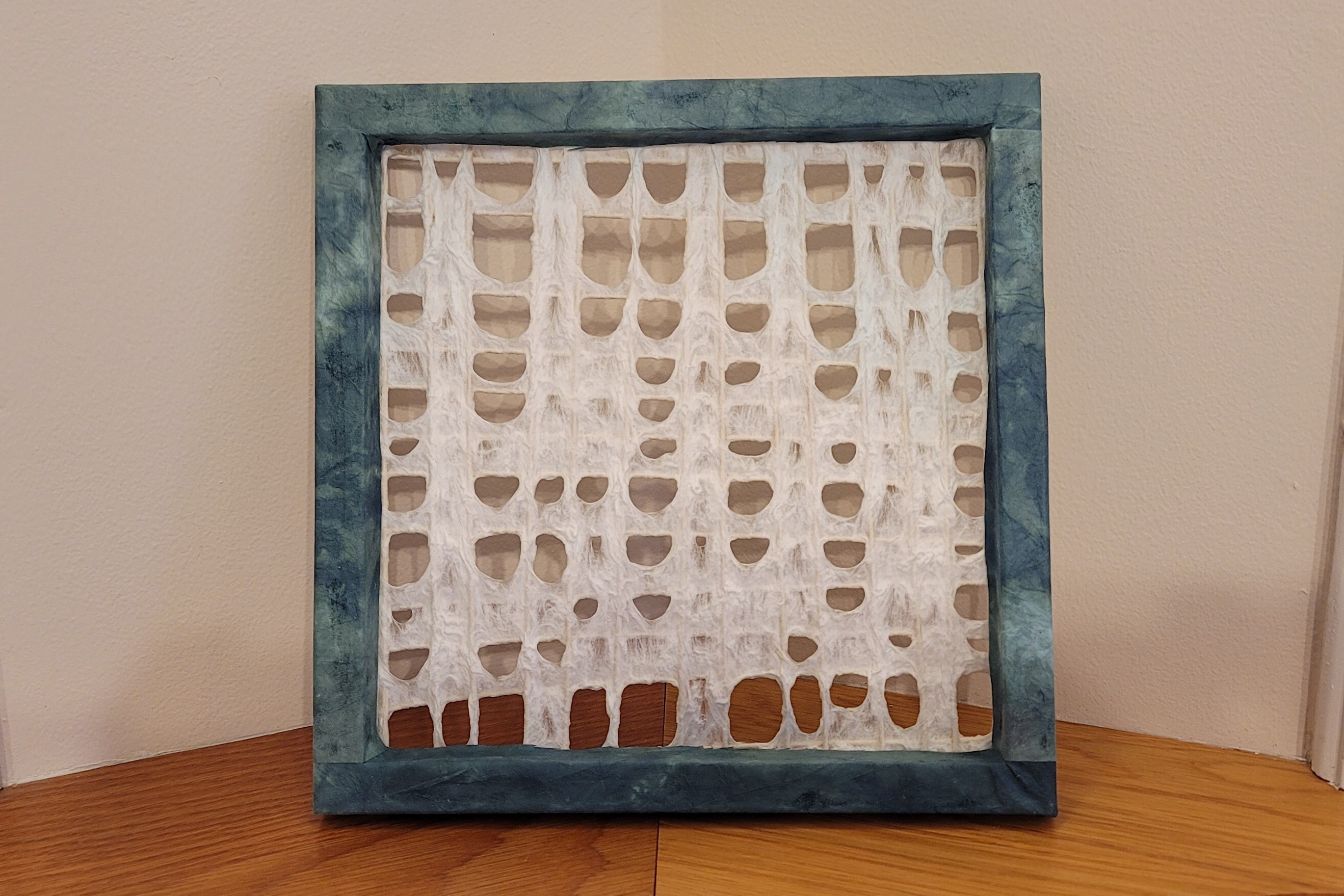
Last month, our natural studio hosted the 2nd paper making open workshop, which was specially for the Emäsalo residents on a sunny Sunday. We explored avenues for the sustainable use of reeds plant with the residents. In our studio, we have mainly tested the cooking time of reed plants and the tapping method of reed fiber. The explorations were made on the ratio of reed fiber and paper mulberry fiber in hand papermaking pulp. Irina from the island shop at Emäsalo enjoyed making reed-paper mulberry paper and had some very creative suggestions for the use of handmaking paper.
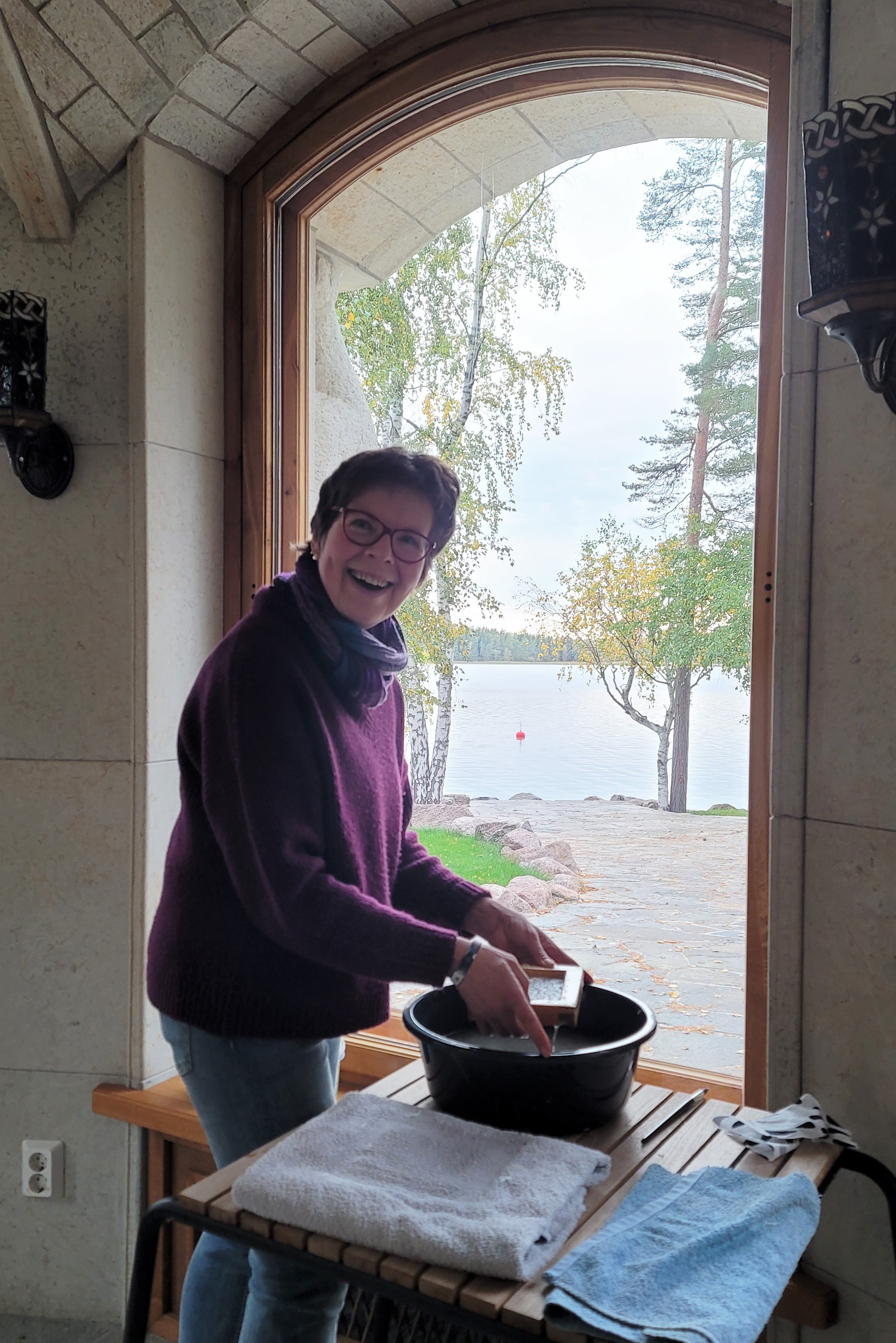
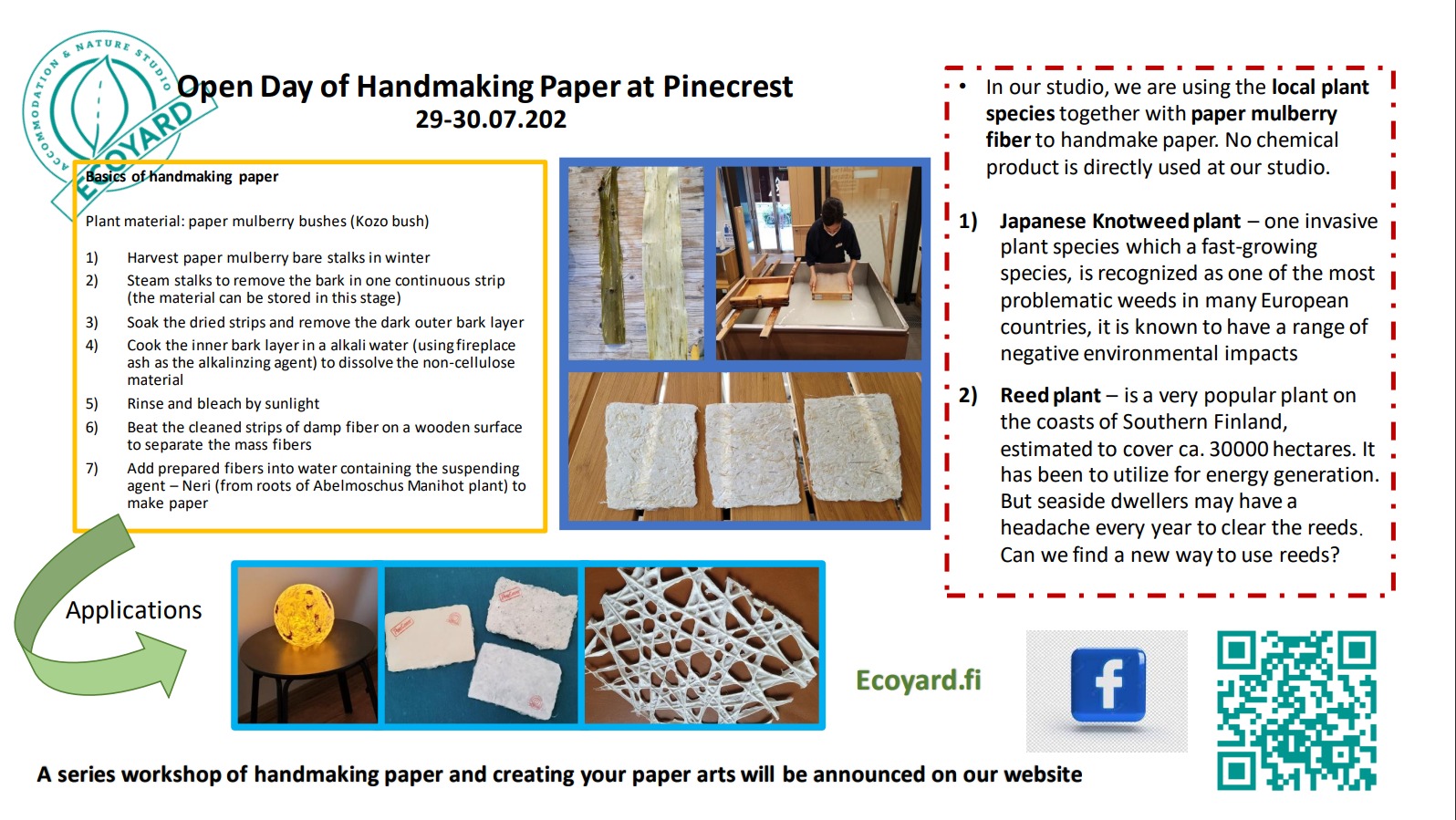
Ecoyard will be hosting a handmaking paper workshop at Pinecrest!
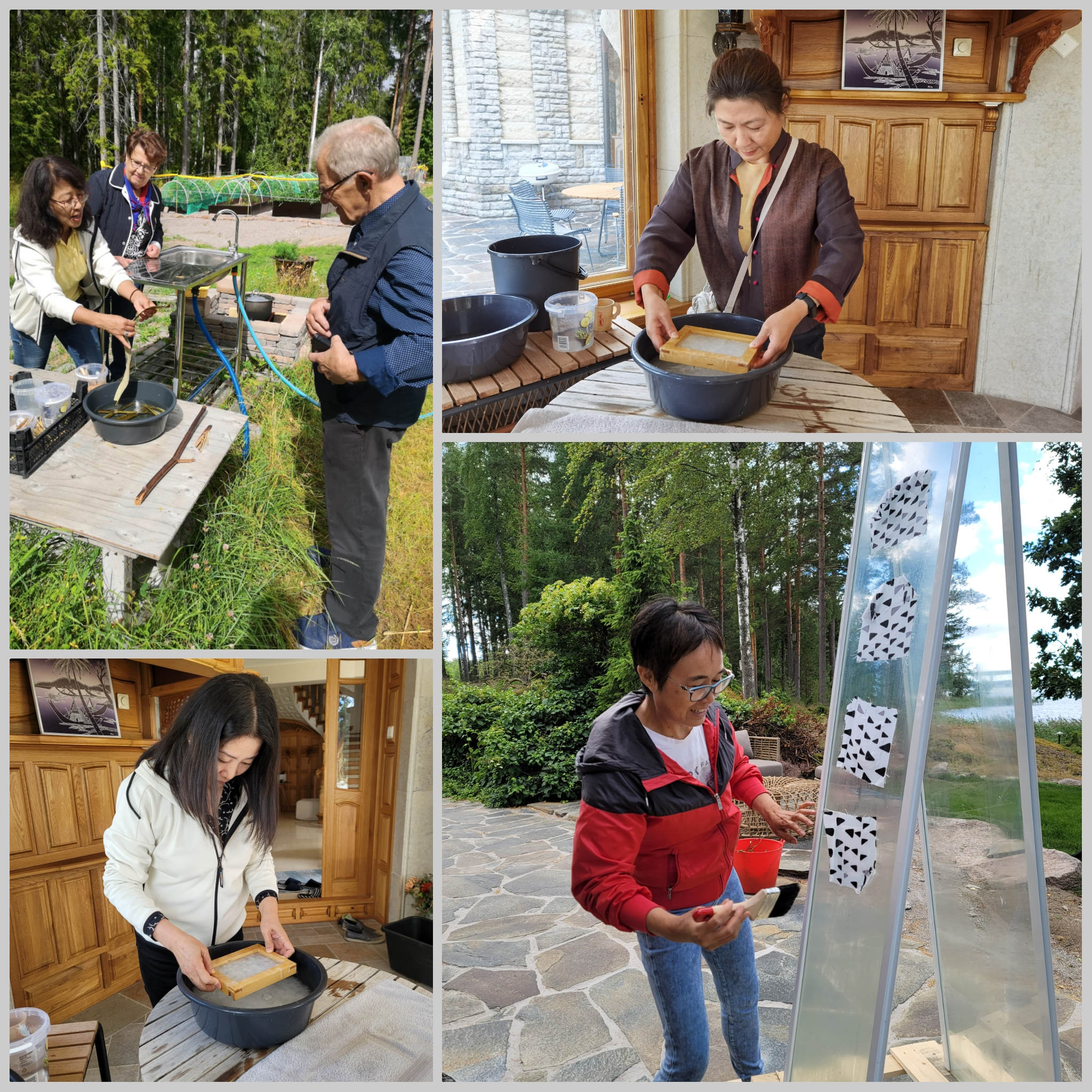
The first open event of paper handmaking was held in Pinecrest Villa on 29-30.07.2022.
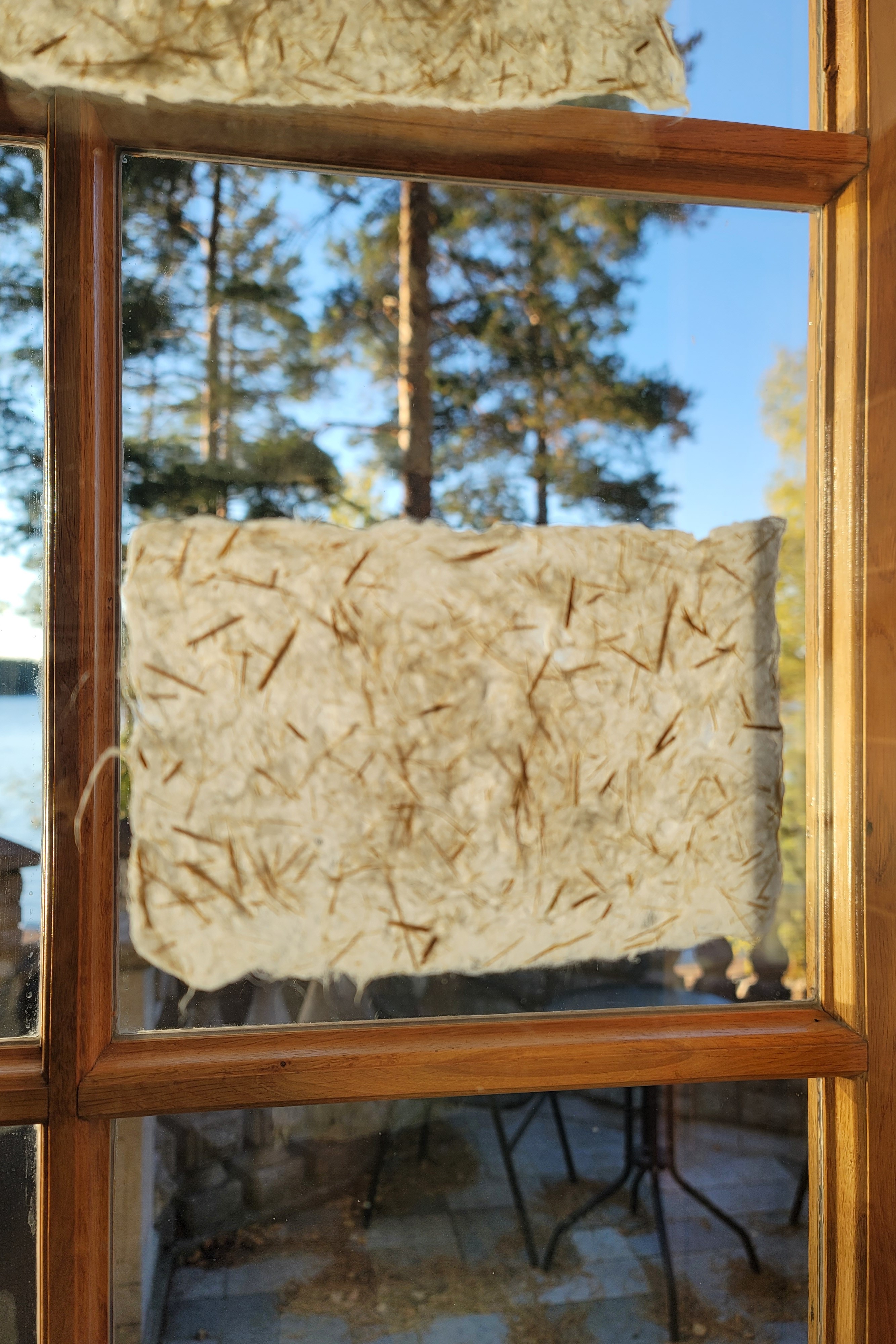
We had participants form Helsinki, Espoo and Porvoo visiting our nature studio who were very interested in our equipment made from recycled materials. The stove was built from discarded stones, the dry rack was constructed from discarded bathroom glass panels, the alkaline water solution was prepared with fireplace ashes, and the drying of paper was done using sunlight. Our philosophy at Ecoyard is to enjoy nature, love nature and care for nature together. We invite guests to create your own natural works at our studio. Together with paper mulberry material, we tested two plant species, Japanese Knotweed and Reed plant. The former one is a fast-growing plant, is known to have a range of negative environmental impacts; the later one is a popular plant on the costs of Southern Finland. It has been to utilized for energy generation, but seaside dwellers may have a headache every year to clear the reeds and to get rid of them. Several handmade papers by our participants were listed here.
Thanks for, all participants for showing your interests on our Nature Studio, as well as your valuable feedback and suggestions for our coming workshops.
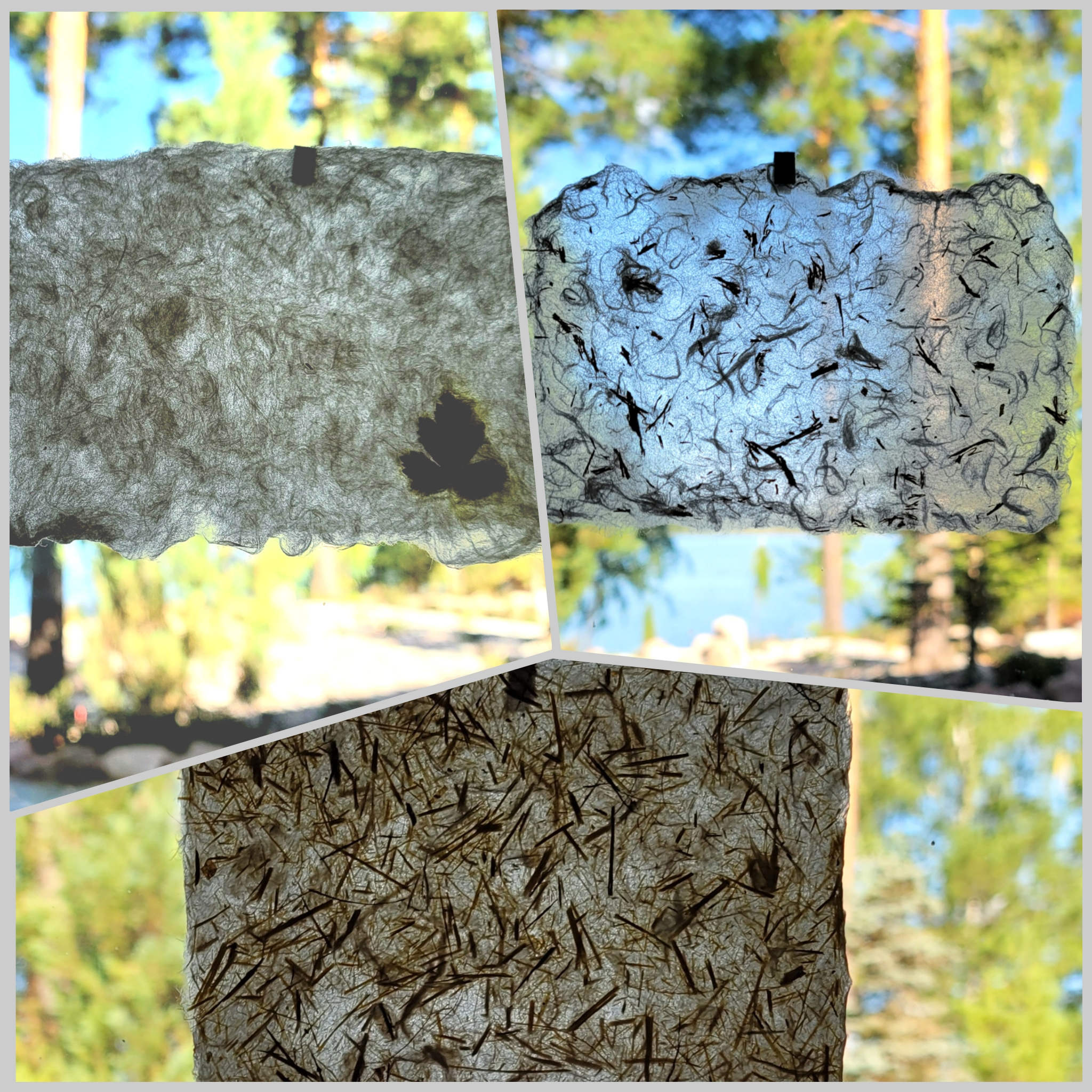
Ecoyard is glad to announce our first workshop event! For more updates, follow us on Instagram