Paper is one of the most sustainable products as it is made from renewable ecological resources. It is biodegradable and can be recycled back as its own raw material. When wood, one of the raw materials used in paper, is grown in sustainably managed forests, it ensures healthy growth and prevents deforestation.
The first actual plant-puree-conglomerate based papermaking process was documented in China, by Cai Lun about 2000 years ago. Likely, Cai mixed mulberry bark, hemp and rags with water, mashed it into pulp, pressed out the liquid and hung the thin mat to dry in the sun.
The technique of making paper by hand is said to have arrived in Japan during the first half of the seventh century. Washi is the craftsmanship of traditional Japanese handmade paper, in which more textiles and plant-based materials were added to the production process. These helped to strengthen the paper, extend its longevity, and increase its versatility. It is a method that makes the most of the natural strengths of the raw materials and remains fundamentally unchanged to this day. There is a growing use of artisan work, like handmade paper, in interior and other designs. Handmaking paper likes the cool traditions staying in tune with modern Life.
We are using washi technique in our Nature studio (https://en.wikipedia.org/wiki/Washi).
The most suitable plant species for washi paper are Gampi tree (members of the genus Wikstroemia), the mitsumata shrub (Edgeworthia chrysantha), or Kōzo bush (Broussonetia kazinoki × B. papyrifera). However, none of them is native to Finland.
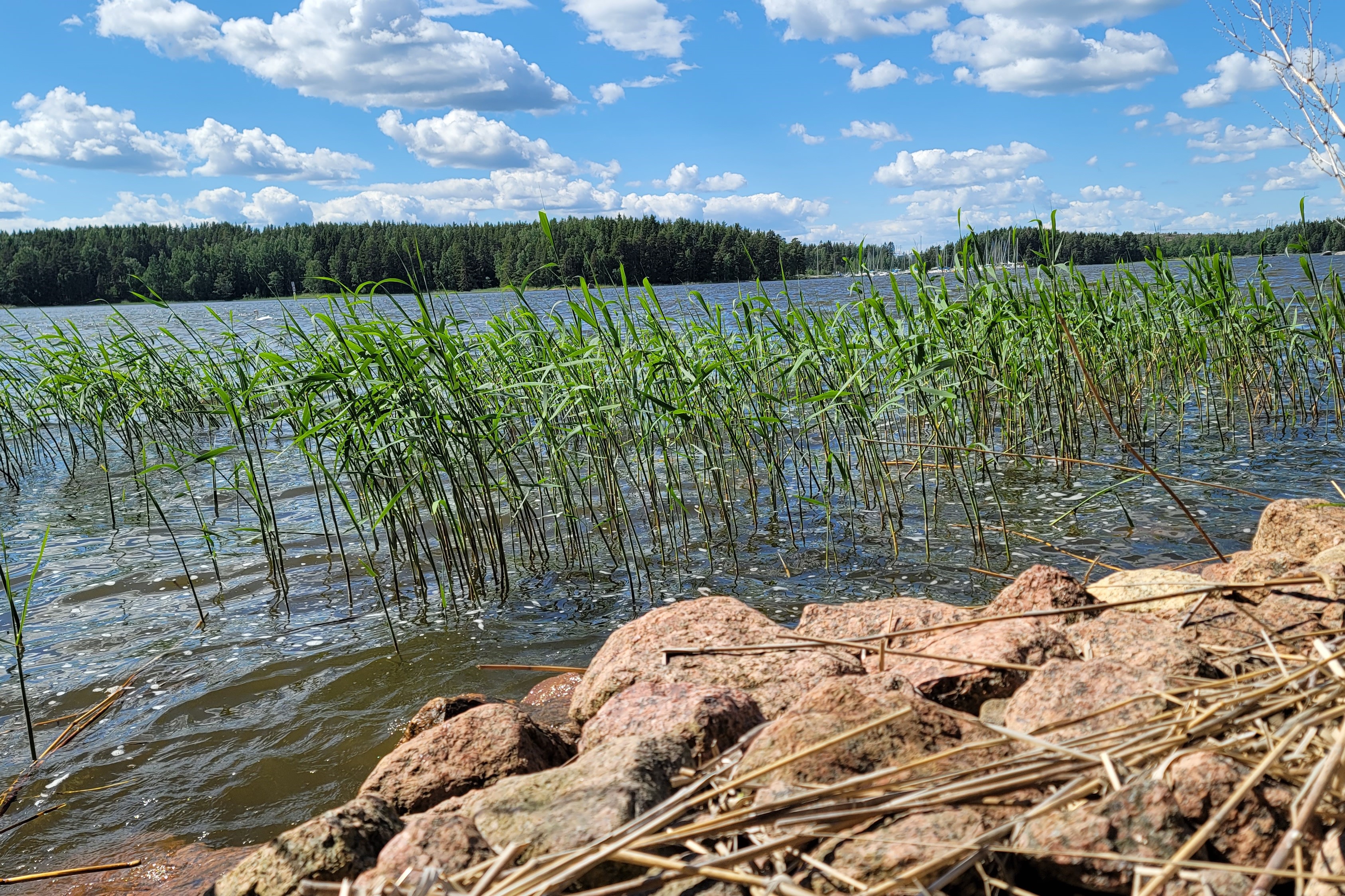
In our Nature studio, we are testing various types of plant species, which you can find them in the surrounding of the studio. We are combining test species with paper mulberry (Kōzo) fiber to create your own original and unique handmaking paper.
Some examples from our Nature studio are shown as below.
This gift card and lampshade was made by the mixture material of Kōzo and various plant species that we found in the surrounding of our Nature studio.
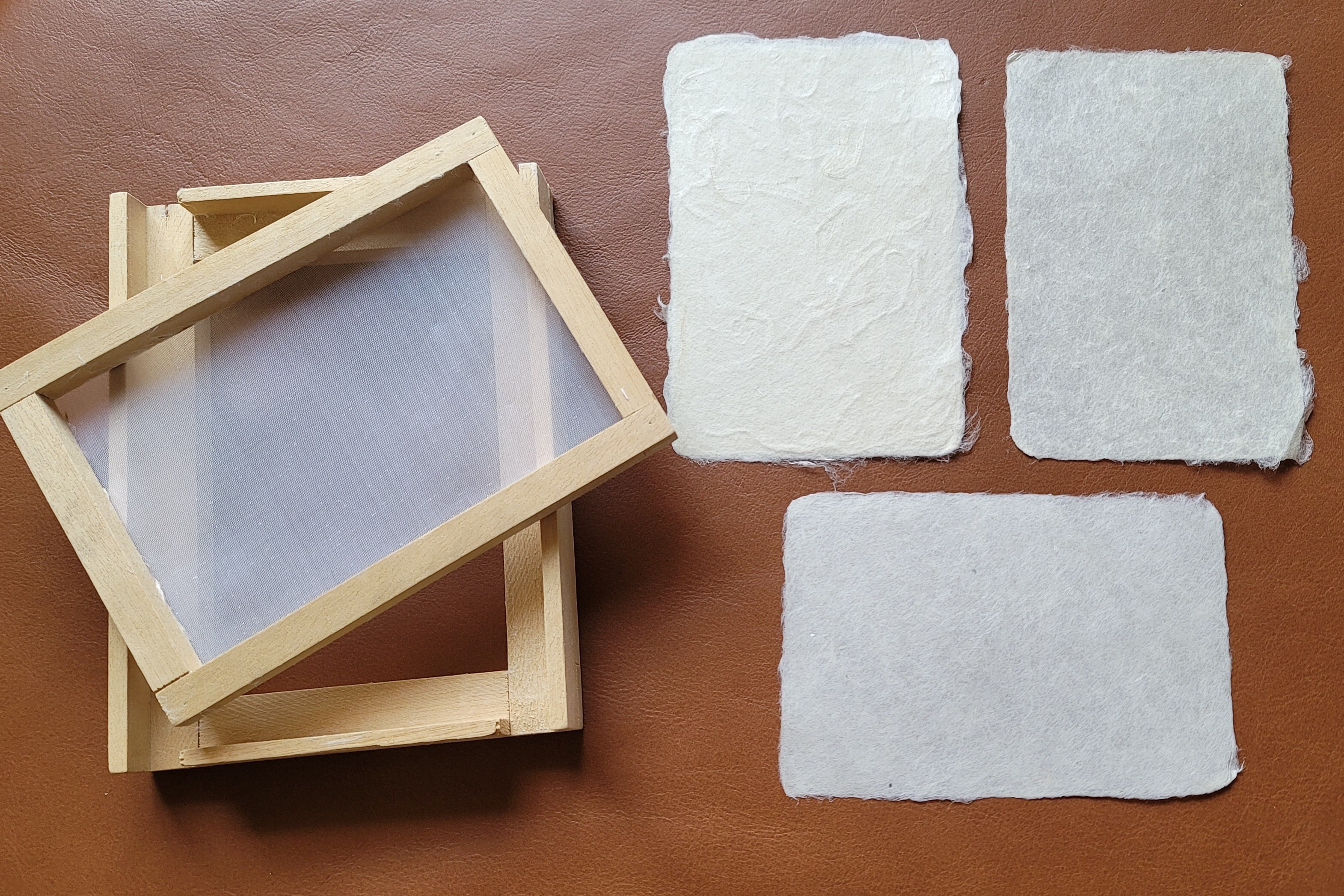
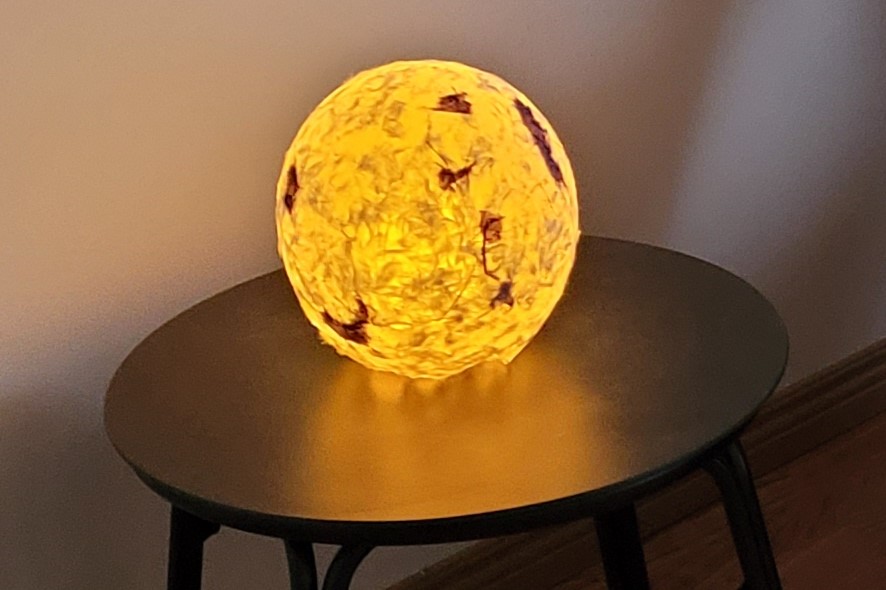
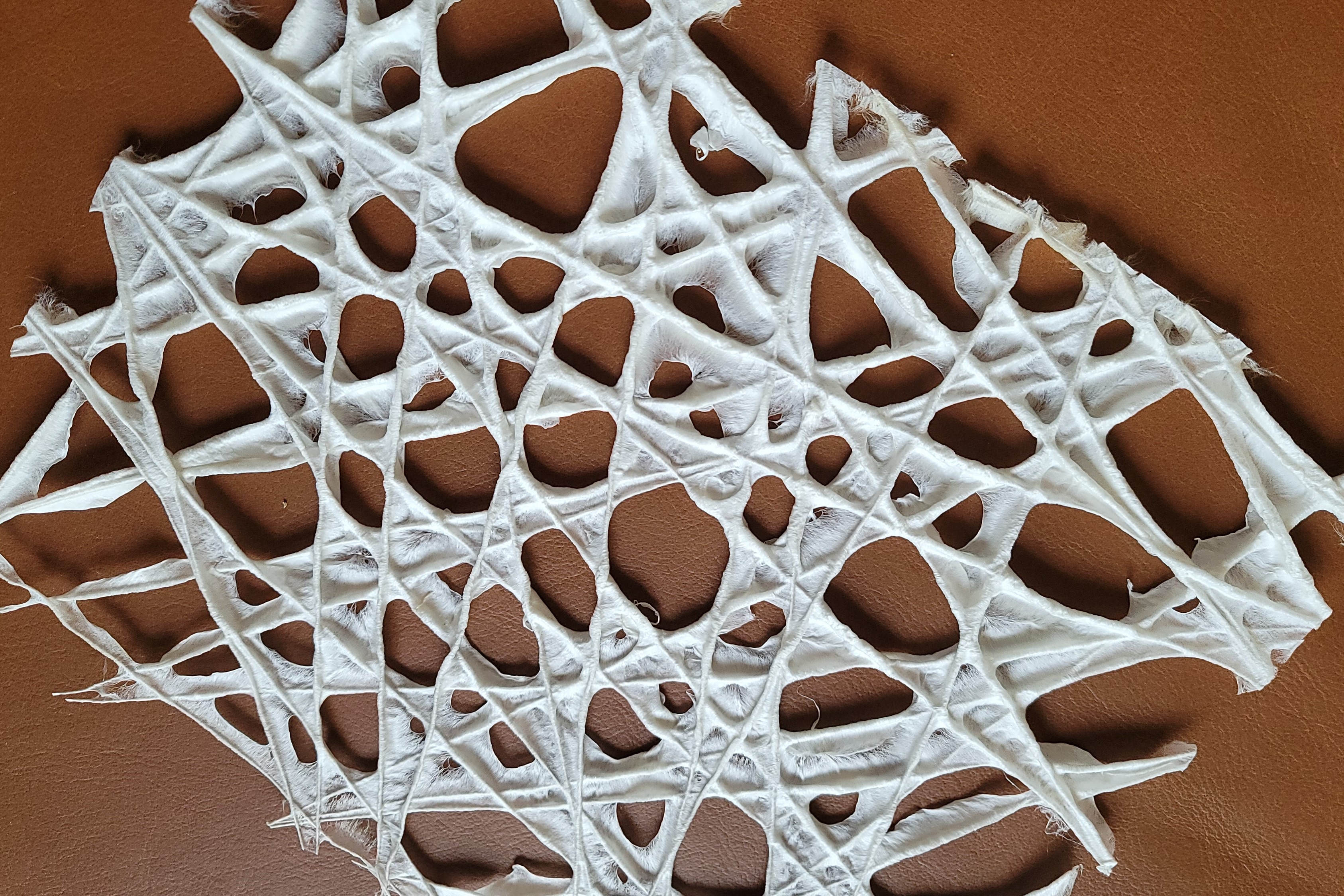
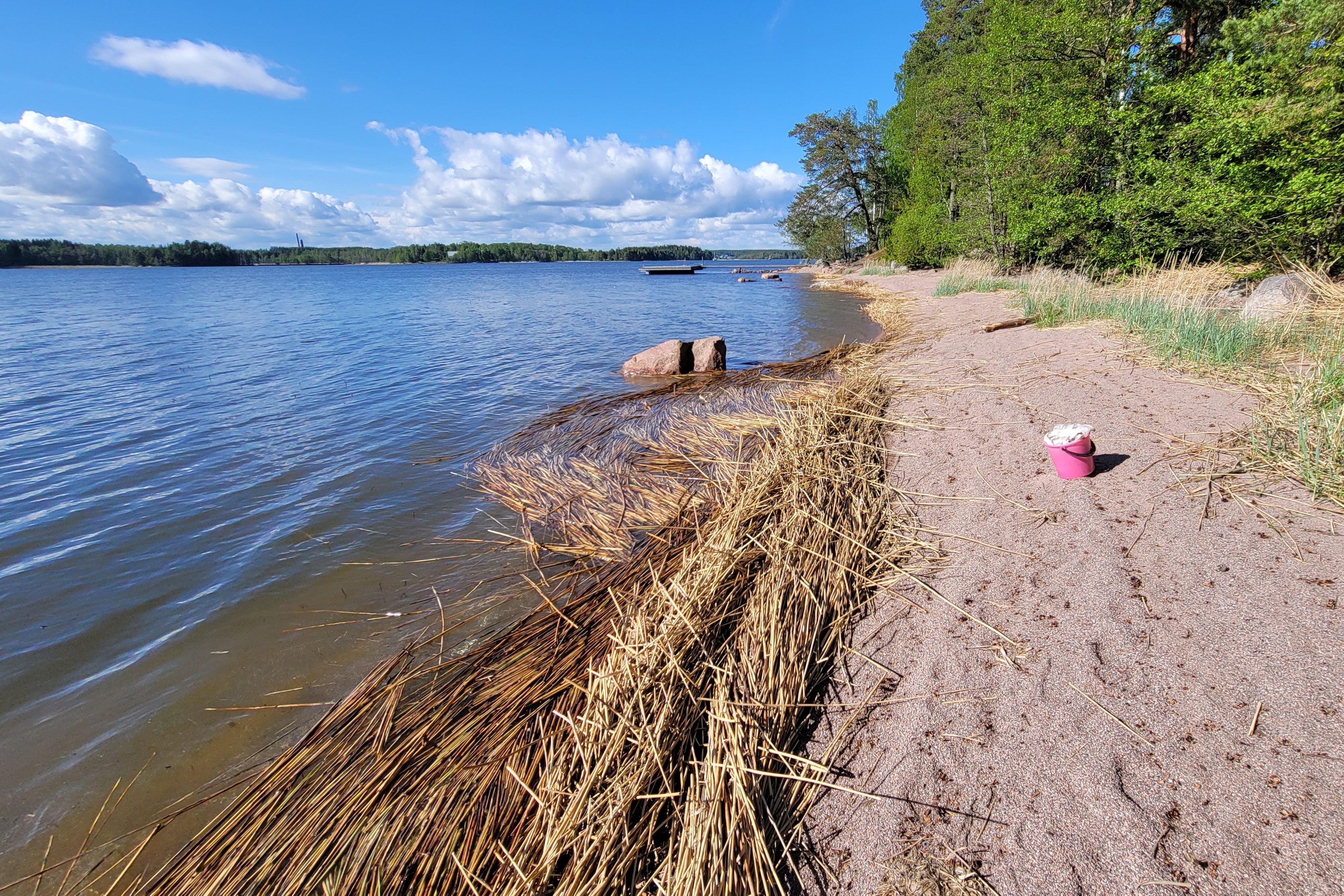
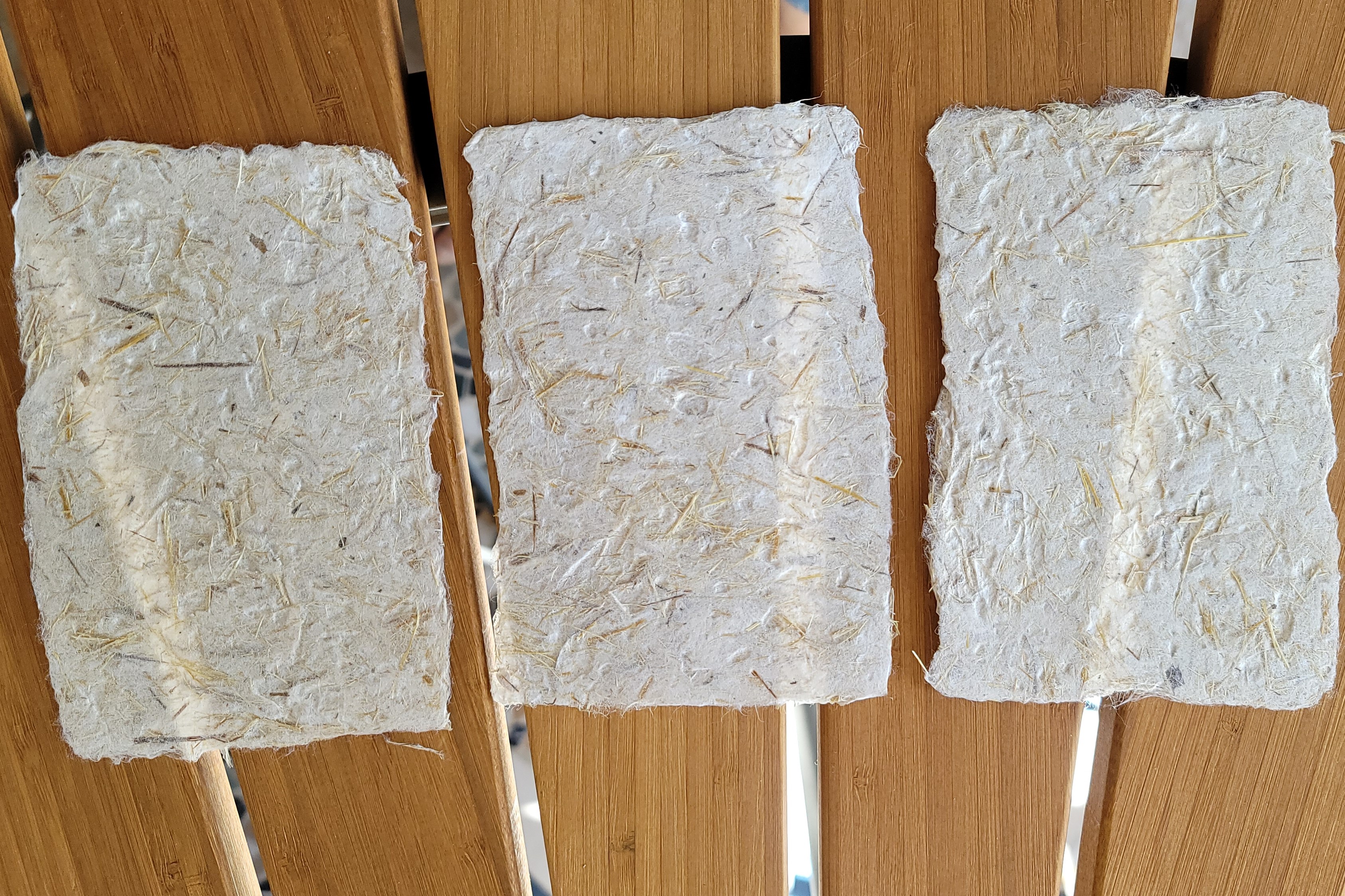
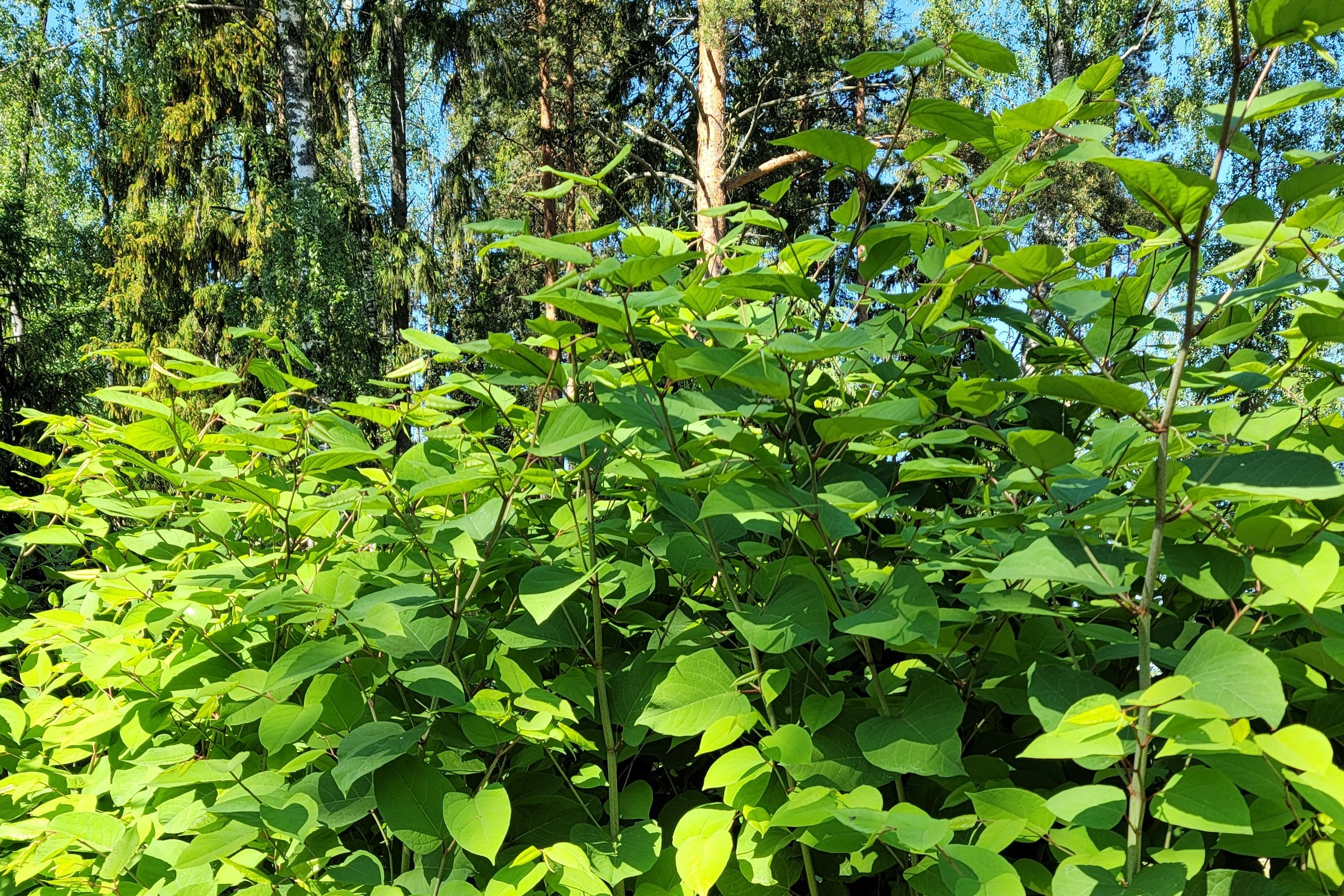
Example: Japanese knotweed (Fallopia japonica), is one of nine the most harmful invasive species in Finland, that does not belong to the Finnish nature. However, you can find it in our nature. Come and join us in utilizing this species thus making an ecological and environmentally friendly act while making own design gift cards.
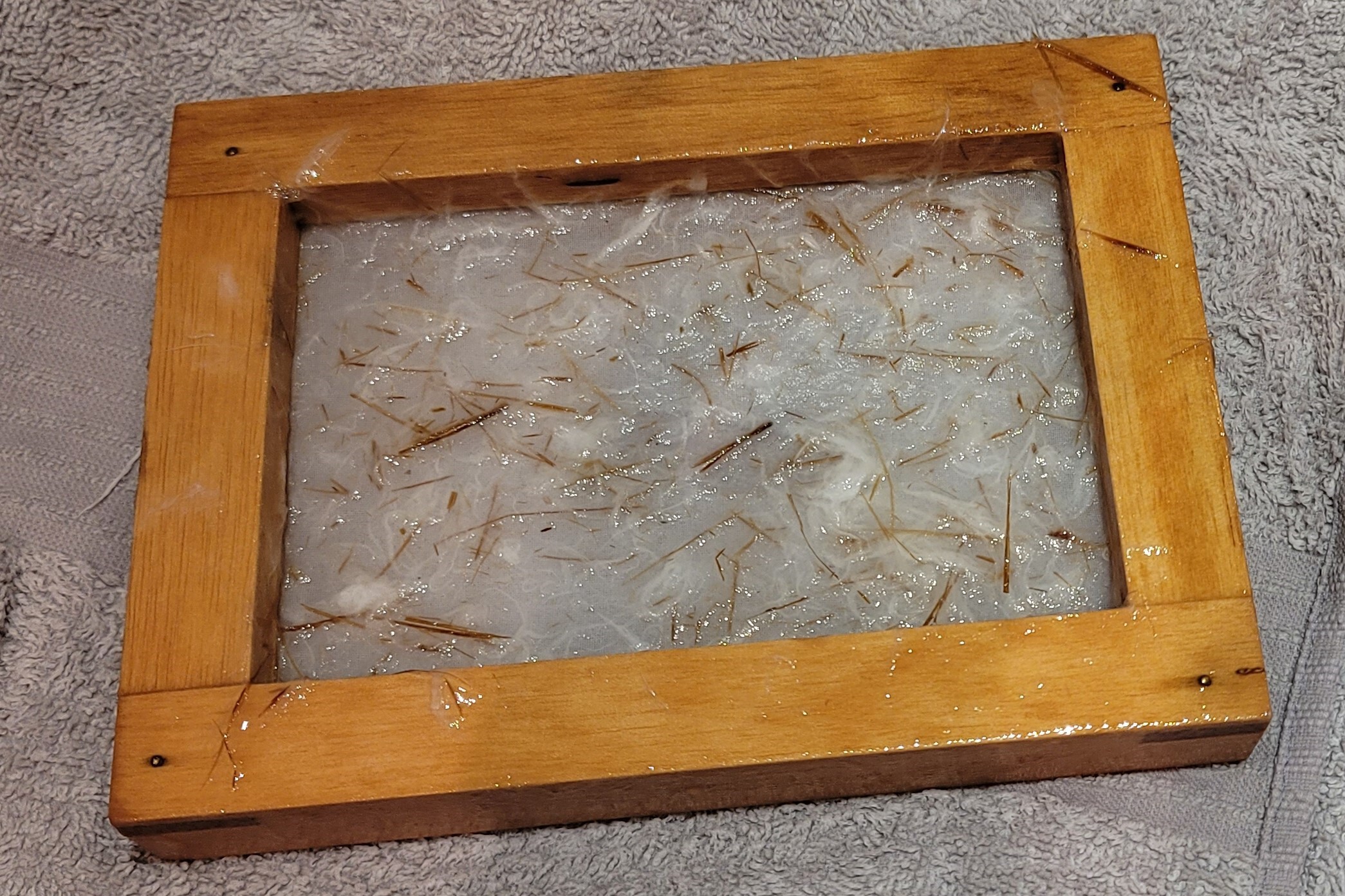
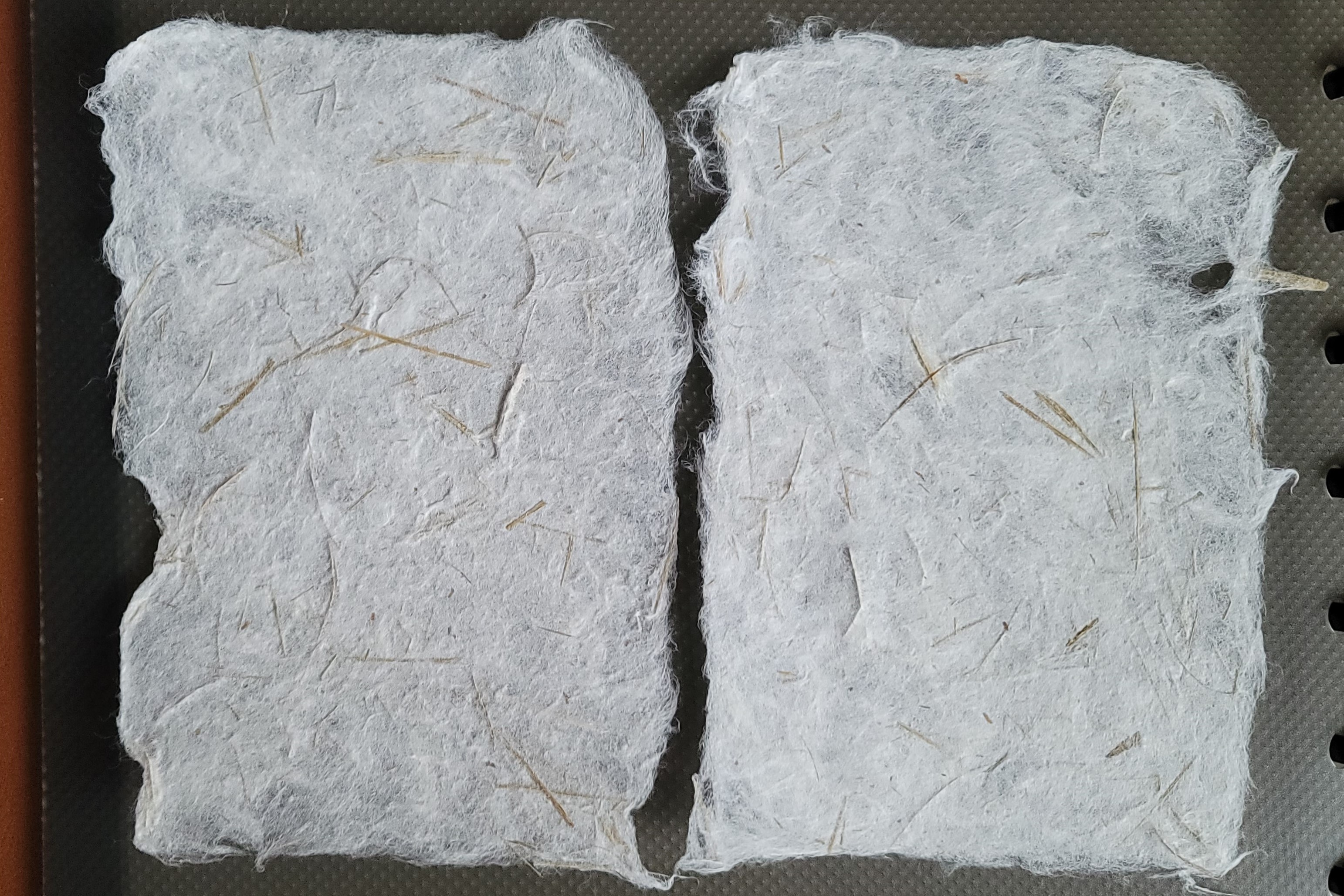
In our studio, we do not apply any industrial chemical reagents into papermaking. Let’s discover the beauty of the nature together while also protecting our nature.
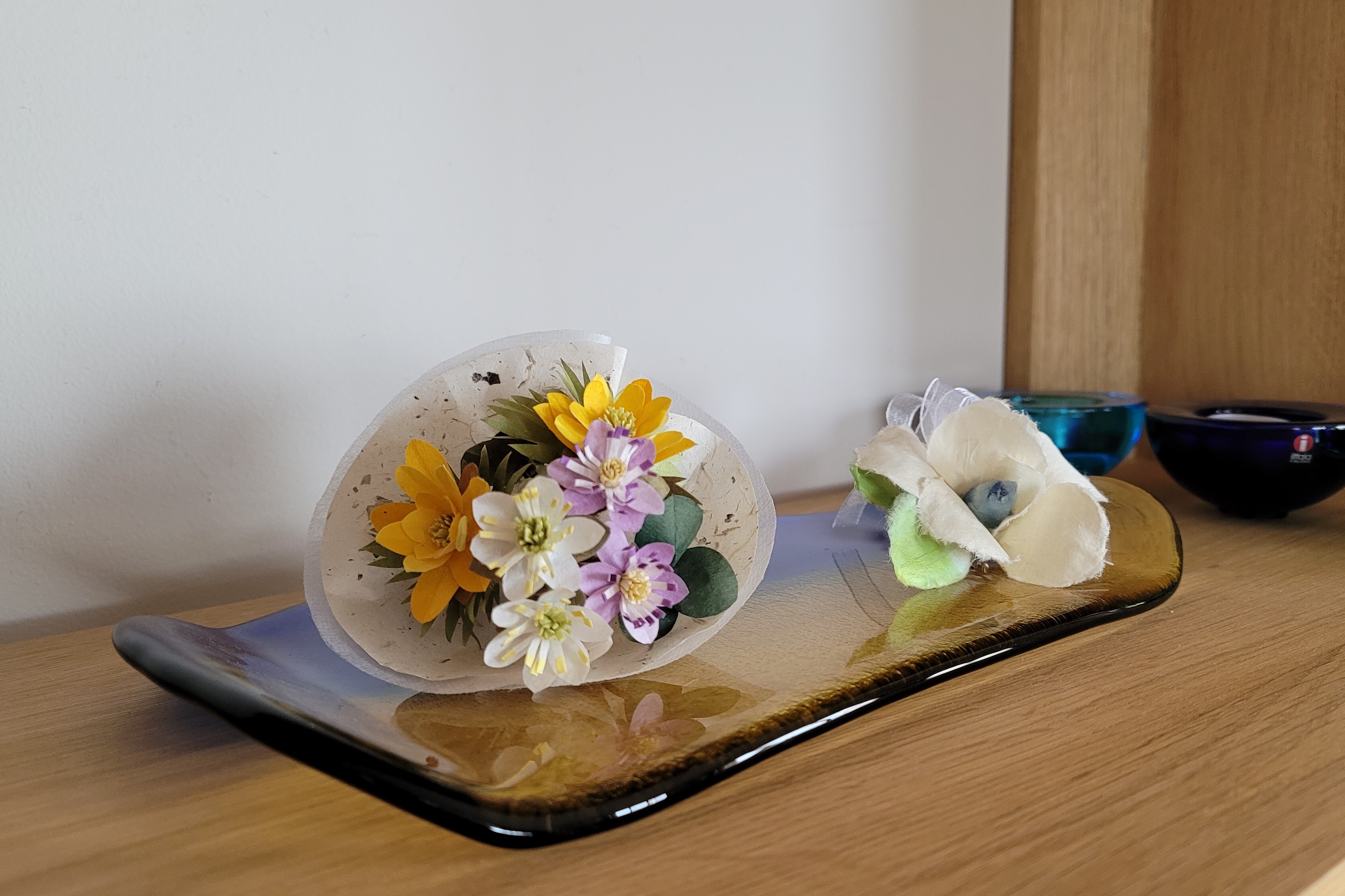
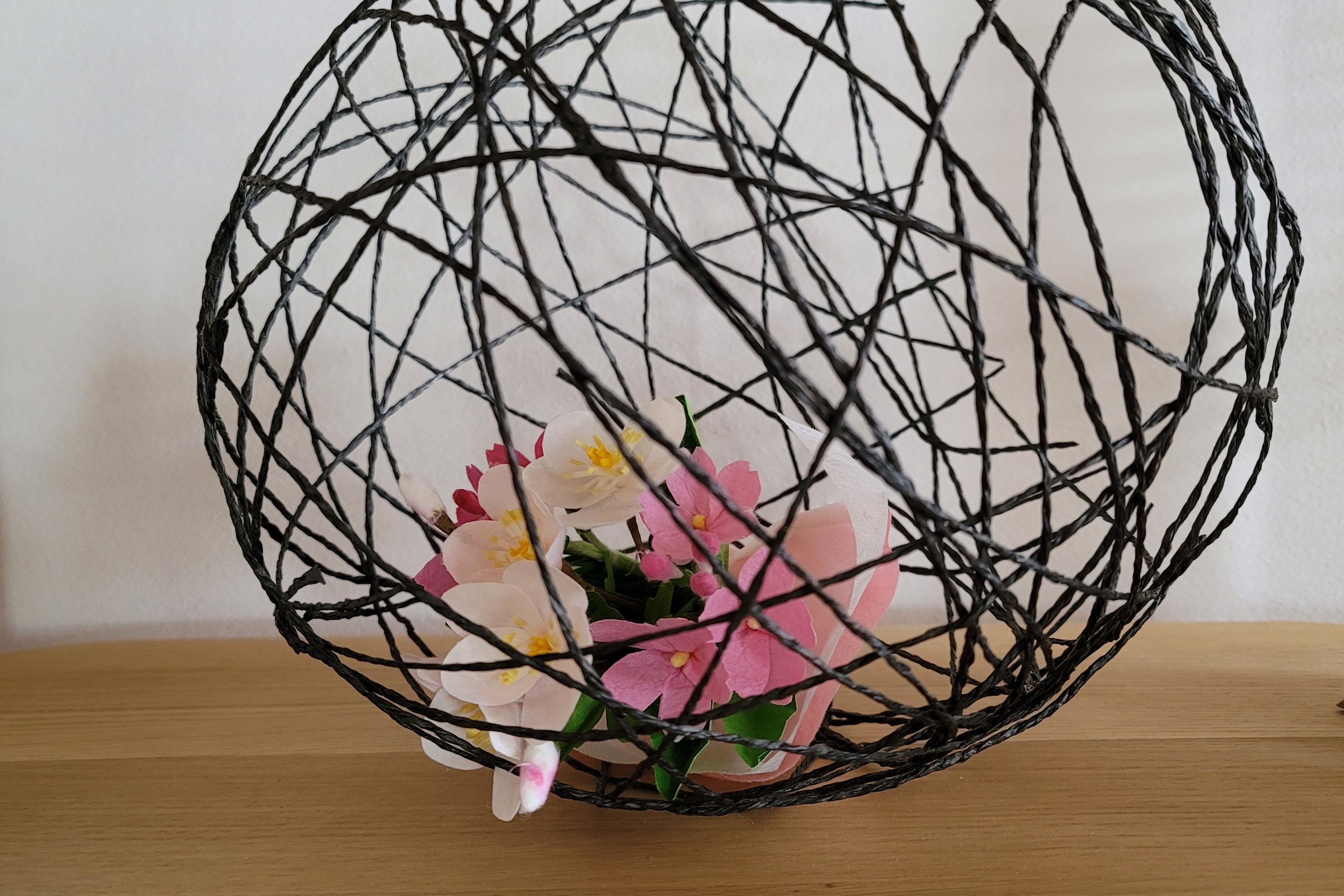
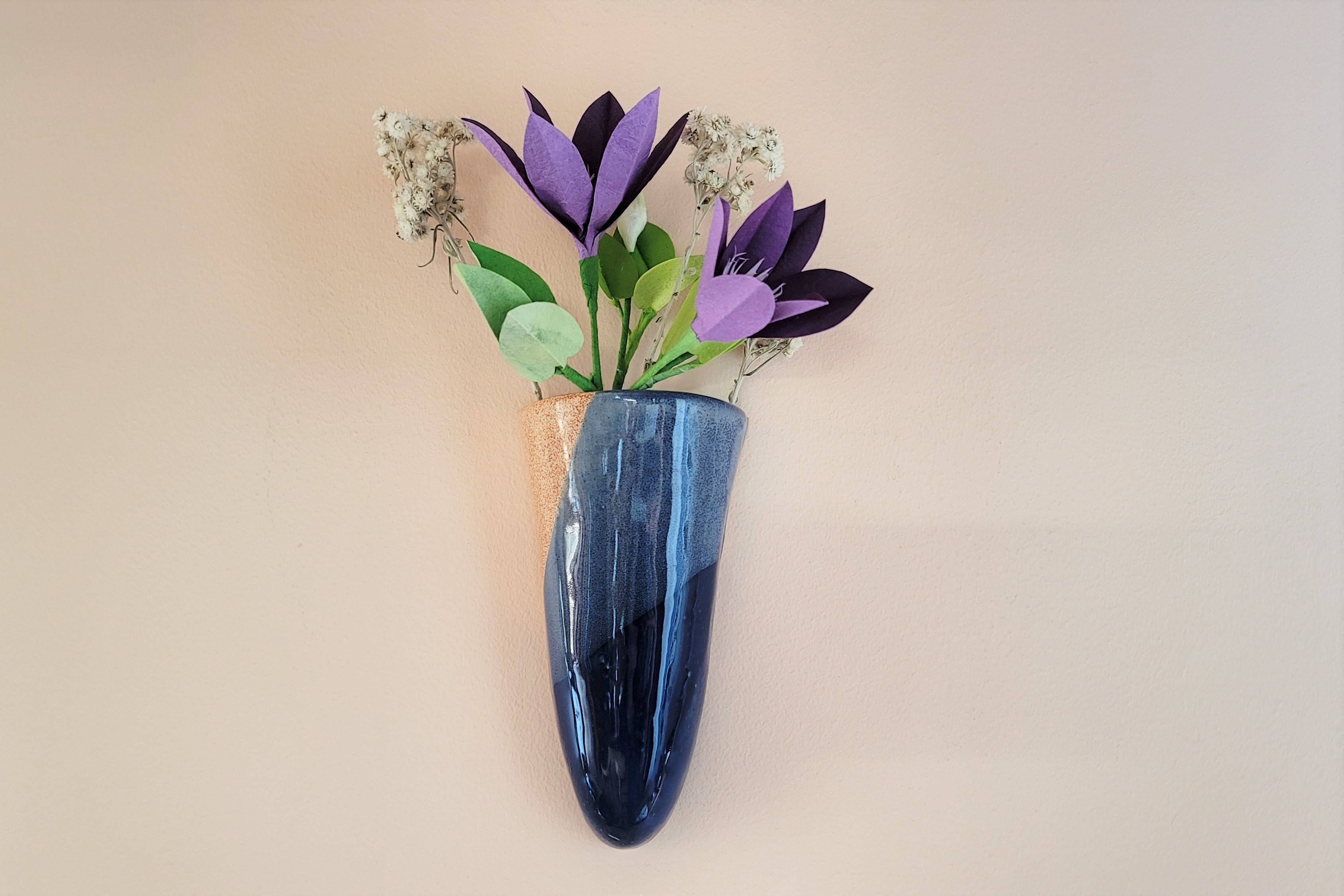
Handmade paper has greater tensile, bursting, tearing and more fold strength compared to conventional papers, also is entirely wood-free. Our Nature studio is focusing on using only handmade paper, either your hand made or commercial ones to create own arts. The paper is remarkably versatile, offering illimited creative possibilities.
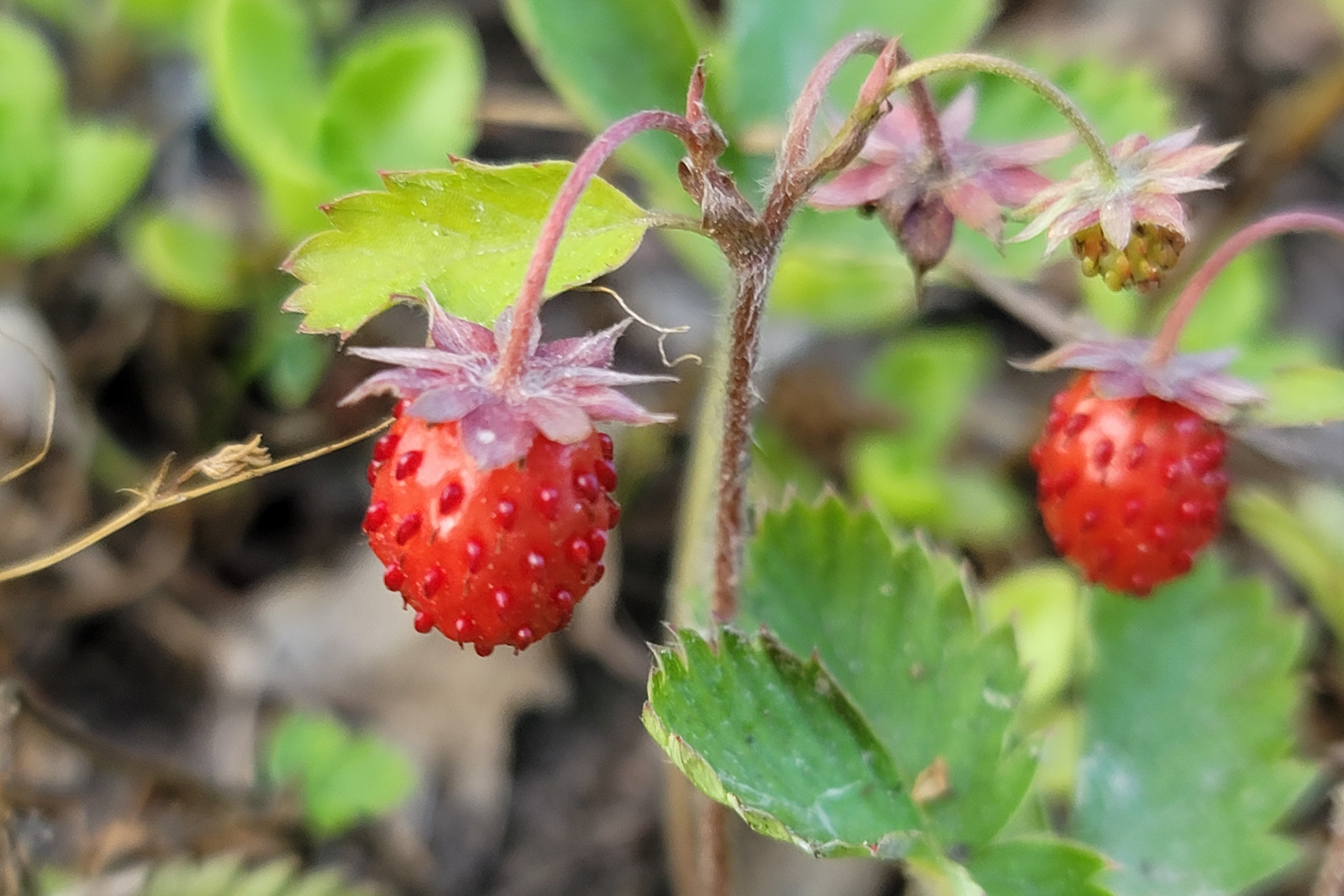
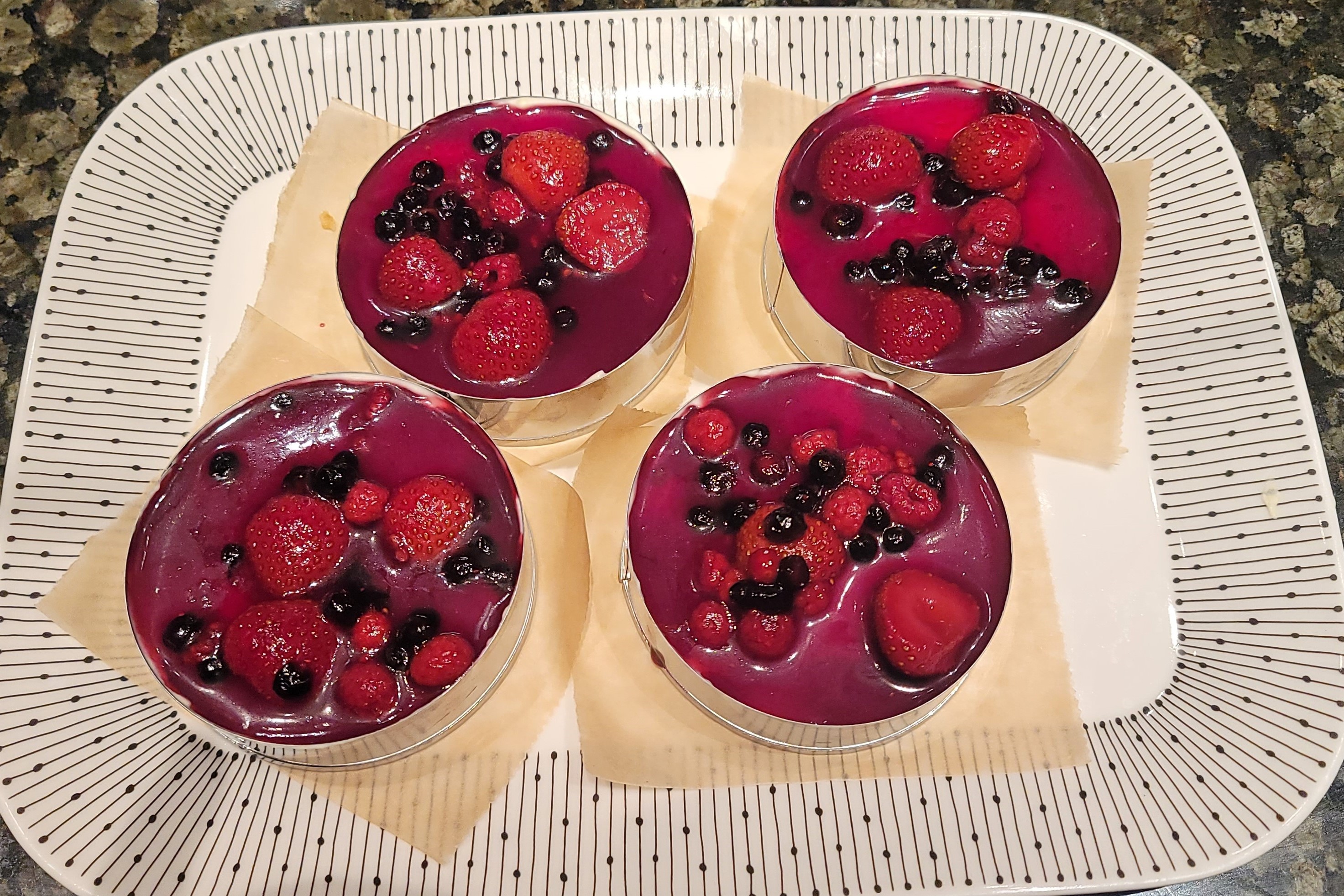
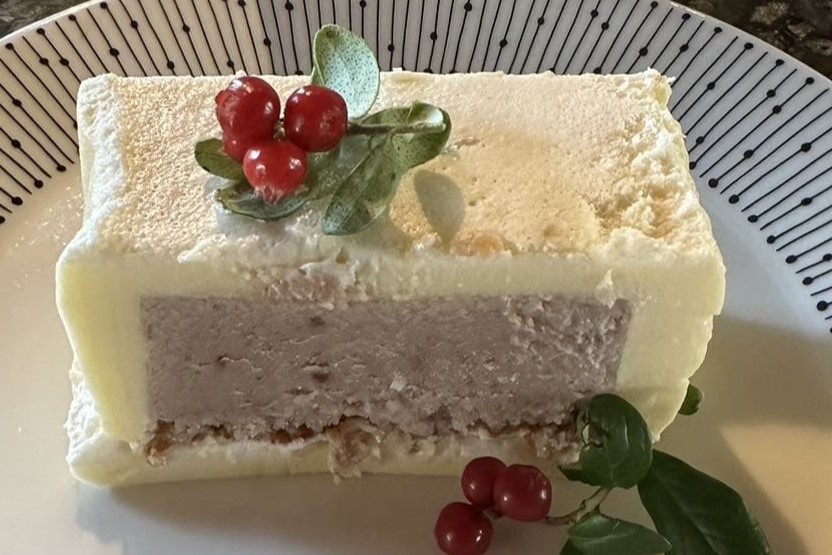
During summer and autumn season, the various wild berries can be harvested from forests. In Finnish tradition, baking by using forest berries is very common, such as blueberry pie, strawberry cream roll. In our studio, we invite people to challenge with different wild berries to bake the traditional western desserts, such as, Gâteau au fromage, Tarte aux saison du fruit.